CNBC pressed a top White House economist on whether President Trump’s push to remove Federal Reserve Governor Lisa Cook risks the central bank’s credibility — and the exchange spotlighted a real fight over who sets America’s money rules.
Story Highlights
- CNBC questioned the administration about Federal Reserve credibility after a reported move to oust Governor Lisa Cook.
- Reports say Trump urged Jerome Powell to resign and pushed for faster rate cuts, fueling independence concerns.
- Experts warn politicizing the central bank could erode trust in the dollar and global stability.
- Legal and documentary details on the Cook effort remain limited in public view.
What Sparked The Exchange On CNBC
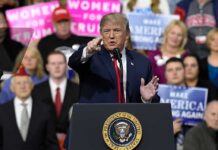
CNBC questioned a senior economic adviser about the Federal Reserve’s credibility after reports that President Trump moved to remove Governor Lisa Cook. Reuters reported Trump urged Chair Jerome Powell to resign and tried to dismiss Cook over alleged mortgage document issues. PBS has described a broader “pressure campaign” on the central bank. The televised grilling captured a core concern: whether the White House is using personnel to steer monetary policy, not just debate it in public.
Conservative viewers want lower prices, cheaper loans, and a strong dollar. They also want rules set by law, not by unelected elites. The clash on air shows how both goals can collide. Presidents argue for growth and relief on borrowing costs. The Federal Reserve claims independence so rate calls follow data, not politics. The question is not whether a president may argue, but whether attempts to oust a governor cross a line that weakens trust in the institution’s judgment.
Why Fed Independence Matters To Your Wallet
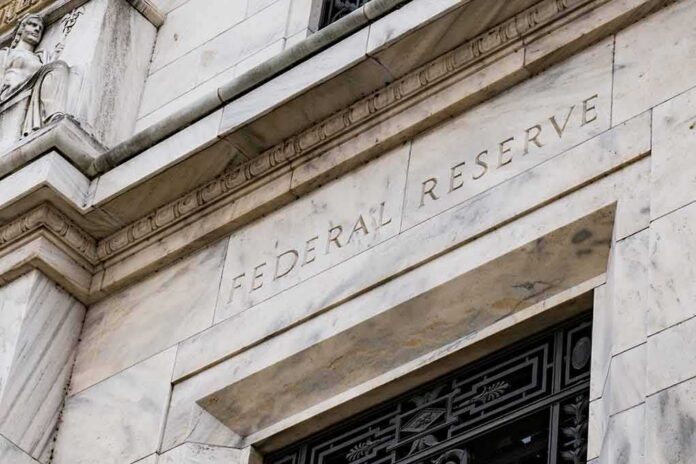
Congress’s research arm explains that the Federal Reserve’s independence is meant to protect long-term stability, even when short-term politics run hot. The Council on Foreign Relations warns that public pressure can sap confidence in the dollar’s reserve status if people think money policy bows to politics. When markets doubt a central bank’s backbone, they can demand higher rates anyway. That raises mortgage and credit costs for families. It also makes energy and food imports more expensive if the dollar weakens.
That risk is why foreign and market voices are weighing in. CNBC reported former European Central Bank president Jean‑Claude Trichet warned of “serious” global consequences if the Federal Reserve looks captured. The Wall Street Journal has argued that heavy pressure creates a lose‑lose path: if the bank cuts too much, inflation can flare; if it resists, it may face more political blows that reduce authority. Either way, doubts can spread fast once credibility slips.
What The Reporting Actually Establishes
Reuters reported that Trump urged Powell to resign and attempted to dismiss Lisa Cook, citing questions about mortgage filings, while also pushing for much lower rates, even “as low as 1%,” during his pressure campaign. PBS documented repeated public criticism of the Federal Reserve and Powell over policy choices. The Congressional Research Service confirms Trump publicly urged Powell to resign and favored faster rate cuts, placing the Cook news in a pattern of visible pressure on the bank.
However, the public record shown so far does not include the actual removal notice, a White House legal memo, or the full evidence behind the Cook allegations. That gap means outside observers see the action mainly through media reports and expert warnings, not through primary legal documents. It also means measured market proof of a credibility hit tied to this single episode remains limited in the open record.
How Conservatives Can Read The Stakes
President Trump was elected to clean up Washington, cut costs, and fight inflation. He has every right to argue for lower rates when families are crushed by high prices. But the process matters. If the Federal Reserve looks politicized, markets can punish Main Street with higher borrowing costs anyway. The smart conservative path is sunlight and law: demand the full legal basis for any removal, insist on clear cause, and keep monetary policy grounded in rules that protect savers and workers.
⚡️The presidency is discovering that Fed independence can be attacked through personnel law instead of monetary rhetoric.
Cook is the test case.
If Trump succeeds in establishing that disputed conduct outside the policy process can satisfy “for cause,” the architecture changes… pic.twitter.com/J5B1abwEf1
— SightBringer (@_The_Prophet__) August 7, 2026
Americans deserve both accountability and stability. That means pressing the Federal Reserve to explain its calls in plain English, publishing data, and admitting misses. It also means the White House should present complete records when it seeks major personnel changes. Clear rules guard against globalists, bureaucrats, and activists who would game the system. Strong institutions, limited government, and sound money go together — and that is how we keep paychecks strong and the dollar trusted.
Sources:
mediaite.com, dobetter.esade.edu, mirabaud.com, reuters.com, cfr.org, npr.org