
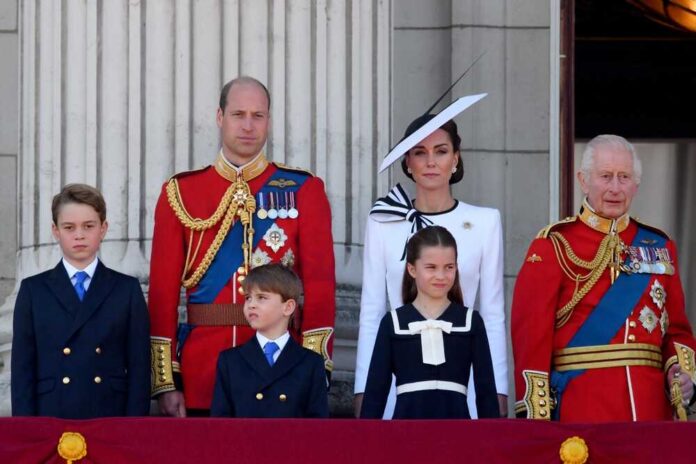
As Prince George turns 12, a royal rule steeped in tradition demands he and Prince William fly separately, igniting debates over monarchy, safety, and modernization.
At a Glance
- Prince George’s 12th birthday triggers a royal protocol requiring heirs to fly separately for safety.
- The tradition aims to protect the line of succession, though it’s not legally mandated.
- King Charles III and Prince William may negotiate exceptions to the rule.
- The protocol highlights tension between royal tradition and modern family dynamics.
The Royal Rule of Separation
By the time Prince George celebrated his 12th birthday on July 22, 2025, the British royal family faced a protocol that has long dictated the travel arrangements of its heirs. This unwritten rule demands that Prince George and his father, Prince William, the first and second in line to the throne, must now travel separately.
Prince George then and now! The young future King – the eldest of Prince William and Princess Kate's children – celebrates his 12th birthday on July 22 🥳 👑 🎈
📸: Getty pic.twitter.com/Q6dPhJU5jN— HELLO! Canada (@HelloCanada) July 21, 2025
The intent is clear: safeguard the line of succession by preventing both from perishing in a single travel accident. This protocol, while not codified law, carries significant weight, reflecting the monarchy’s unique risk management needs.
The rule’s origins date back to the tragedies of the 20th century when royal lives were lost in plane crashes. Queen Elizabeth II, known for her adherence to tradition, strictly enforced this measure during her reign, especially after Prince William turned 12. Now, with Prince George reaching the same age, the protocol’s enforcement is expected to resume, sparking discussions about its relevance in today’s modern monarchy.
Balancing Tradition and Modernization
As the monarchy grapples with maintaining tradition while adapting to modern family life, King Charles III and Prince William find themselves in a delicate dance. Charles, the current monarch, holds the authority to uphold or relax this rule. In the past, exceptions have been made, notably when written permission from Queen Elizabeth allowed heirs to travel together. However, as the King faces health concerns, the need for safeguarding the line of succession becomes ever more pressing.
Prince William and Princess Catherine are known for their attempts to modernize the royal family’s image, balancing traditional duties with a more relatable family life. This tension between tradition and modernization is palpable as they consider how to navigate this protocol with their children. Will they adhere strictly to the rule, or will they seek a compromise that reflects the evolving nature of the monarchy?
Watch: Prince George turns 12, creating new changes for royal protocol | Sunrise
The Stakes for the Royal Family
For the Wales family, the implications of this protocol are profound. The immediate changes to their travel logistics are just the beginning. Public and media scrutiny on their adherence to royal traditions and safety measures is likely to intensify. For Prince George, the emotional impact of being separated from his father during travel looms large, a reality that may also affect his siblings.
The broader implications extend beyond logistics. The way the royal family handles this situation could influence public perception of the monarchy’s relevance and adaptability. It sets a precedent for future generations, potentially shaping how royal traditions are viewed and upheld. The monarchy’s continuity and stability are at stake, underscoring the constitutional importance of succession planning.
Future of Royal Protocols
As discussions continue within the royal family, the potential for modernization or relaxation of this rule remains. The Wales family may push for exceptions or gradual adjustments that align with their vision of a more modern monarchy. This approach could resonate with a public increasingly interested in the monarchy’s ability to adapt to changing times.
Experts like Richard Fitzwilliams and Hilary Fordwich emphasize the protocol’s historical precedent and its current importance due to the King’s age and health. However, as they debate the rule’s necessity, the royal family must weigh the emotional and practical realities against the need for risk management. The decision rests with King Charles III, whose approach could redefine the monarchy’s future.