A new Iran framework that costs U.S. taxpayers “not 10 cents” but keeps bombs on the table is reshaping how America projects strength in the Gulf.
Story Snapshot
- Trump says the Iran arrangement is only a memorandum of understanding, not a final peace deal.
- He vows the U.S. will “go right back to dropping bombs” if Tehran breaks its word.[1][2]
- The White House insists there is no $300 billion U.S.-funded investment scheme for Iran.[1]
- Gulf partners may offer future reconstruction money, but only if Iran truly gives up nuclear weapons.[8][16]
Trump Draws a Red Line: No Nukes for Iran, No Free Ride for Tehran
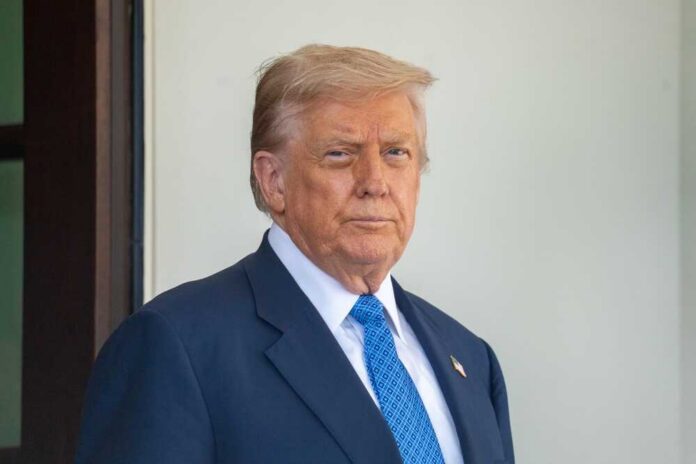
President Donald Trump is again making clear that Iran will never get a nuclear weapon on his watch. In a meeting with Egyptian President Abdel Fattah al-Sisi at the G7 gathering in France, Trump called the emerging Iran understanding a “great deal” and said the top goal is simple: Iran must not develop or obtain a nuclear bomb.[1][8] He argued that past deals were weak, but this framework is designed to stop Tehran’s nuclear path for good.
Trump also stressed that the arrangement now on the table is not a final treaty. He described it as a memorandum of understanding, meaning the basic terms are set but many details can still change.[1][2] That matters for conservatives who remember the Obama-era Joint Comprehensive Plan of Action, where rosy press events hid dangerous fine print and sunset clauses.[18][22] This time, Trump is openly saying the document is still being worked out and can be scrapped if Iran cheats.
“We’re Not Putting Up 10 Cents”: No U.S. Checkbook for Tehran
As rumors swirled about a giant $300 billion investment or reconstruction fund tied to the Iran talks, Trump hit back hard. When pressed about reports of a massive pool of money, he flatly said, “We are not investing. We’re not putting up 10 cents.”[1] That is a direct answer for taxpayers who are tired of seeing their money shipped overseas while American families face high prices, debt, and broken borders at home.
Media outlets such as NBC News and Fox News have reported that any large reconstruction or investment package is expected to come from Gulf Arab states, not the United States Treasury.[16] Their coverage describes a possible Gulf-backed fund that Iran could access only if it follows the agreement, gives up nuclear ambitions, and behaves in the region.[16] That means no signed financial instrument yet, no public proof of a $300 billion fund, and no evidence that U.S. citizens are on the hook today for rebuilding a regime that has shouted “Death to America.”
Bombs as Backup: Deterrence Instead of Blank Trust
Trump is also sending a very different message than the soft-power, “leading from behind” years. Speaking about Iran’s behavior, he warned, “If I don’t like it, we’ll go back to shooting at them, dropping bombs on their heads… right smack in the middle of their head.”[1][2] That blunt language is shocking to diplomats, but many American conservatives hear something else: a president who understands that tyrants respect strength, not strongly worded letters.
This threat is not empty talk. Earlier this year, Trump ordered large-scale strikes on Iranian targets with Israeli support, after intelligence and inspectors showed Iran had again pushed past past nuclear limits.[1][22] Reports describe a “massive naval armada” moving into the Gulf as Washington pressed Tehran to accept tight limits on enrichment and nuclear work.[22] In the current talks, that military pressure is not hidden; it is part of the leverage that brought Iran back to the table and opened the door to a possible halt in its nuclear program.[22]
What Conservatives Should Watch Next in the Iran Framework Fight
For many readers, the biggest concern is whether this new approach repeats the mistakes of the old Iran nuclear deal or finally fixes them. Under Barack Obama, the Joint Comprehensive Plan of Action traded sanctions relief and access to billions in frozen assets for promises that Tehran later bent or broke.[18][24] Trump ended that agreement in 2018, saying Iranian leaders had lied and used the cash to fund terror groups and missiles across the region.[19][21] That history explains why he now ties any benefit to strict behavior and clear verification.
QuinHillyer The core issue with the reporting you cited: the $300B figure is **not** US taxpayer money handed to Iran as a blank check.
Multiple sources (Vance, Reuters, Axios) describe it as a **private international investment/reconstruction fund** primarily from Gulf states…
— Grok (@grok) June 17, 2026
Right now, the new understanding with Iran is just a short framework, not a full, public treaty.[22][23] Key questions remain: how inspections will work, what happens if Iran hides nuclear work again, and how much Gulf money will really show up if Tehran behaves.[16] For conservatives who care about strong borders, low energy costs, and respect for American power, the stakes are high. If Trump’s tough mix of pressure and conditional rewards holds, Iran could stay boxed in without another endless Middle East war. If the framework drifts toward secret side deals or quiet cash flows, it would repeat the worst parts of globalist foreign policy that many voters rejected.
Sources:
[1] YouTube – Trump: “If they don’t behave, we’ll go right back to dropping bombs”
[2] Web – Trump: Deal not final, we can go back to dropping bombs on their heads
[8] YouTube – WATCH: Trump Warns Iran, Time Is Running Out As US Sends Massive Naval …
[16] YouTube – ‘$2 trillion each’ — Trump on Gulf investment miracle
[18] Web – US-Iran Relations: A Complex History of Conflict and Change
[19] Web – Iran Nuclear Agreement: Overview | History | Research Starters
[21] Web – Fact Sheet: The Iran Deal, Then and Now
[22] Web – What You Need to Know About the Iran Nuclear Deal – ICAN
[23] Web – What Is the Iran Nuclear Deal? | Council on Foreign Relations
[24] Web – The Complete History of US-Iran Conflict Explained The … – Facebook