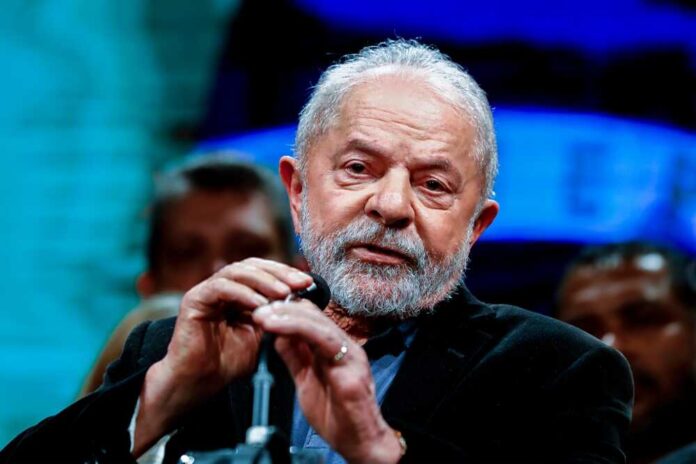
Brazil’s President Lula da Silva has publicly called Trump a liar and refuses to negotiate on trade, escalating a dangerous confrontation.
Story Snapshot
- Lula publicly rejected Trump’s claims about Brazil being a poor trading partner, calling the President dishonest
- Brazil refuses to negotiate under Trump’s 40-50% tariff threats, citing national dignity
- Trump’s aggressive stance defends Bolsonaro while targeting Brazil’s leftist judicial system
- The dispute risks pushing Brazil toward China and BRICS, undermining U.S. influence in Latin America
Trump Takes Strong Stand Against Brazilian Trade Abuses
President Trump launched unprecedented action against Brazil in July 2025, imposing tariffs up to 50% on Brazilian imports and declaring a national emergency. Trump’s Executive Order 14323 targeted Brazil’s unfair trade practices and criticized the leftist prosecution of former President Jair Bolsonaro. The U.S. Trade Representative initiated a Section 301 investigation into Brazil’s digital regulations and alignment with anti-American BRICS policies that threaten U.S. economic interests.
Lula’s Defiant Response Reveals Anti-American Agenda
Brazilian President Luiz Inácio Lula da Silva responded with inflammatory rhetoric on August 14, 2025, publicly calling Trump dishonest during a speech in Recife. Lula refused Trump’s offer to negotiate, claiming Brazil would not bow to perceived humiliation. The leftist leader’s defiance exposes his administration’s willingness to sacrifice bilateral relations rather than address legitimate U.S. concerns about trade barriers and judicial overreach against conservative leader Bolsonaro.
Economic Reality Contradicts Political Theater
Despite Lula’s claims of unfair treatment, official data reveals the United States historically maintains a trade surplus with Brazil, contradicting narratives of American exploitation. The Atlantic Council confirms this favorable balance undermines claims that Brazil suffers economic disadvantages. However, Brazil’s increasing alignment with China and BRICS nations poses genuine threats to American strategic interests, justifying Trump’s firm response to protect U.S. economic sovereignty and counter anti-American policies.
Strategic Implications for American Interests
Trump’s bold approach addresses critical national security concerns as Brazil drifts toward authoritarian allies like China. The tariffs target sectors including aviation, agriculture, and digital services while maintaining strategic exemptions. However, aggressive tactics risk accelerating Brazil’s pivot toward BRICS partnerships that directly challenge American influence in Latin America. This dangerous realignment could establish Chinese footholds throughout South America, threatening hemisphere security and economic stability.
Sources:
The Numbers That Define the US-Brazil Trade Partnership
US Tariffs and Sanctions Against Brazil and the Brazilian Response
USTR Announces Initiation of Section 301 Investigation into Brazil’s Unfair Trading Practices
Trump is Attacking Brazil to Weaken BRICS. His Plan Might Backfire