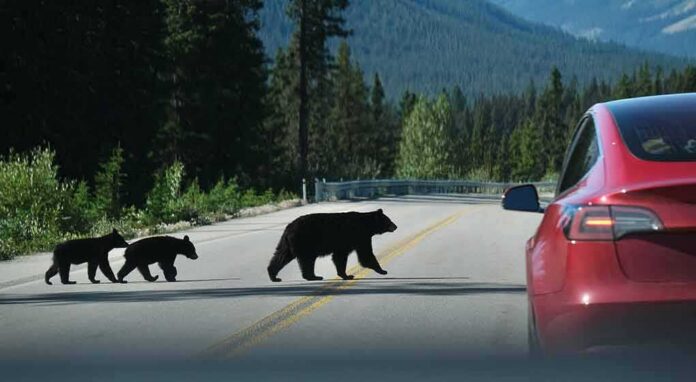
Record bear reports across Colorado show drought and a late freeze are pushing hungry bears into cities and suburbs, raising real safety risks for families.
Story Snapshot
- Colorado bear reports nearly doubled year-over-year by mid-August as natural food failed.
- Wildlife officials link the surge to drought and a late spring freeze that hurt forage.
- Trash remains the top driver once bears reach neighborhoods, making secure bins essential.
- State data shows conflict levels swing with weather and food, not a simple one-way rise.
Drought And Freeze Push Bears Into Towns
Colorado Parks and Wildlife reported 6,129 bear sightings and conflicts between January 1 and August 13, almost double the same period last year. Officials and local coverage tie this jump to drought conditions and a late freeze that reduced natural foods in the high country. When berries, acorns, and other forage fail, bears range farther for calories. That search now reaches porches, garages, and open car doors in mountain towns and Front Range suburbs. These are preventable risks when people remove food temptations.
State and national outlets describe the same pattern this summer. Dry conditions cut wild forage, so bears turn to human areas to fill the gap. Reports say bears move at all hours and break into sheds, restaurants, and vehicles. This raises the chance of a dangerous run-in, especially at night or around trash day. Officials warn that a fed bear can become a dead bear. When a bear learns to rely on human food, it may be relocated or euthanized for safety. That is bad for people and wildlife.
Data Show Conflicts Rise And Fall With Food And Trash
Colorado data confirm that conflict numbers move with weather and food. In 2023, the agency logged 3,526 reports, a 21 percent drop from the 2019 to 2023 average due to strong natural food production. That year showed fewer bear problems when the land produced ample berries and mast. The same data note that once bears approach homes, unsecured trash becomes the top conflict source. That means neighbors can blunt spikes by locking down trash even in lean food years. Personal responsibility matters.
Recent statewide summaries reinforce this picture. In 2025, Colorado Parks and Wildlife recorded 5,299 bear reports, about 15 percent higher than the previous six years. Officials again named trash as the number one cause of conflicts. The year-to-year trend is not a straight line. It swings with forage success and with how well communities secure attractants. This is not about politics or blame. It is about simple steps that protect families, pets, and property while keeping wildlife wild.
Hotspots, Safety Risks, And What Works
Some counties and resort regions face outsized pressure. Local reports describe busy call volumes where bears test doors, tip unsecured bins, and raid garages. While attacks remain rare, a single break-in can end with injuries or property damage. Bears that repeat the behavior often pay with their lives. Officials urge residents to use bear-resistant cans, lock doors and vehicles, remove bird feeders, and store pet food inside. These basics work because they remove the reward that trains bears to return.
Bear encounters rise in La Plata County, Colorado
1,116 sightings reported countywide in 2025, almost double the number recorded in 2024.La Plata County, the spike was much steeper than statewide trends. 2025: 1,116 reports of bear activity – up from 630 in 2024.
— Celtic-Films (@Celtic_Films) September 7, 2026
Colorado Parks and Wildlife’s public guidance is direct. People should never feed bears and must secure trash at all times. Families should keep grills clean, bring in bird feeders during active months, and close ground-floor windows at night. Campers should use bear lockers or approved containers. These are not costly mandates that burden households. They are common-sense habits that align with personal responsibility. Communities that adopt them see fewer conflicts and fewer bears destroyed.
Limited Government, Strong Communities, Safer Outcomes
Local action beats red tape. When counties and homeowners handle trash, food storage, and public education, calls drop without heavy-handed rules. The state’s own numbers show conflict levels fall in good forage years and fall further when people remove temptations. Neighborhood buy-in protects kids walking to school, workers taking early shifts, and seniors out with pets. It also avoids expensive responses, like repeated relocations or lethal control, that strain budgets and morale. Doing the basics prevents most trouble.
For conservatives, the lesson is clear. Nature can be harsh, and drought happens. But communities that value order, stewardship, and responsibility can manage risk. Colorado’s data-driven updates show what works and what does not. Strong natural forage helps, but secured trash and locked cars decide whether a wandering bear leaves or lingers. This is a test of neighbor-to-neighbor action more than agency edicts. Families who plan ahead will keep their streets safe and keep bears alive.
What To Do Now
Residents should act before the next trash pickup and before dusk. Use bear-resistant containers or double-bag and freeze smelly waste until collection. Lock vehicles and garage doors every night. Remove bird feeders until late fall. Feed pets indoors and clean grills after each use. Call wildlife officials if a bear lingers or returns. These steps cost little, protect kids and property, and honor the principle that safety starts at home. They also help ensure that wild bears stay wild.
Sources:
cpw.state.co.us, cbsnews.com, dailycamera.com, coloradoan.com