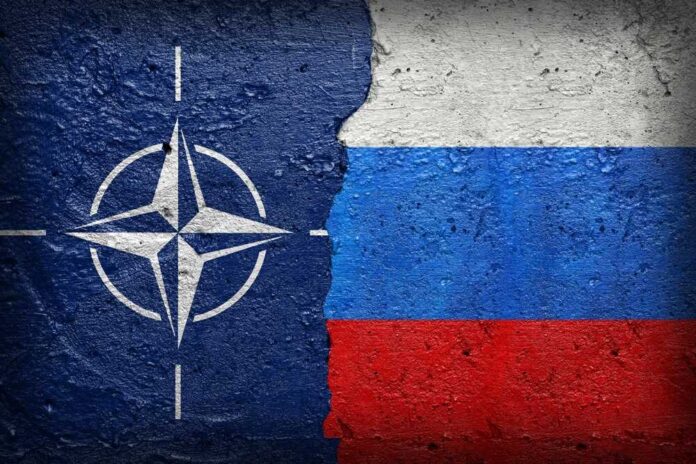
A new Russian demand threatens Ukraine’s sovereignty, rallying NATO to stand firm.
Story Snapshot
- NATO, led by Secretary General Mark Rutte, reaffirms support for Ukraine amidst Russian demands.
- Vladimir Putin’s demands include halting Western arms and Ukraine’s withdrawal from NATO aspirations.
- Fred Fleitz, former Trump NSC chief, asserts NATO’s refusal to comply with these demands.
- Ukraine and its allies reject demands as threats to sovereignty and security.
NATO’s Stance Against Russian Demands
In a recent interview with Newsmax, Fred Fleitz, a former National Security Council chief under President Trump, emphasized NATO’s strong opposition to Russian President Vladimir Putin’s latest demands concerning Ukraine. These demands, presented in Istanbul in June 2025, call for Ukraine to withdraw from occupied territories, cease Western military support, and formally abandon NATO membership aspirations. Such conditions have been rejected by Ukraine and its Western allies, viewing them as an affront to Ukraine’s sovereignty and security.
NATO, led by Secretary General Mark Rutte, recently reiterated their unwavering support for Ukraine during a press conference in Kyiv. This support includes ongoing military aid, specifically air defense and ammunition, to counter Russian aggression. The unity among NATO members remains steadfast despite Russian pressure, reflecting a collective resolve to uphold European security and deter further Russian advances.
Russia’s Demands and Their Rejection
The demands set forth by Russia in their Istanbul memorandum aim to solidify territorial gains and limit Ukraine’s sovereignty, which NATO and Western leaders find unacceptable. These demands include halting Western arms deliveries and Ukraine’s formal commitment to remaining outside of NATO. Such terms are seen as an attempt to undermine Ukraine’s autonomy and security, prompting a unified rejection by NATO countries.
The historical backdrop of this conflict includes Russia’s annexation of Crimea in 2014 and the full-scale invasion in 2022. These actions have continuously aimed to prevent Ukraine’s Western integration and assert Russian control over strategic territories. Despite numerous attempts at negotiated settlements, including the failed Minsk Agreements, the positions on both sides remain irreconcilable.
Watch: Russia Rejects NATO Troops As Peacekeepers
The Broader Implications for European Security
As the conflict continues, the implications are profound, affecting both short and long-term geopolitical landscapes. In the short term, Ukraine faces ongoing military conflict, a humanitarian crisis, and economic disruption. Long-term, a divided Europe risks persistent instability, with potential escalation or a frozen conflict looming. The defense industry in NATO countries is expected to grow as they invest in cybersecurity and hybrid warfare countermeasures.
The Atlantic Council and other experts argue that Russia will not pursue genuine peace until facing military defeat or overwhelming pressure. Maintaining a strong deterrent posture is essential, and NATO’s continued support illustrates a commitment to this strategy. Despite the risks of war fatigue, Western nations remain aligned in their support for Ukraine’s resistance against Russian aggression.
Sources:
Russia and Ukraine Hold Fast to Demands Ahead of Planned Putin Talks
Putin’s Hybrid War Against Europe Continues to Escalate