
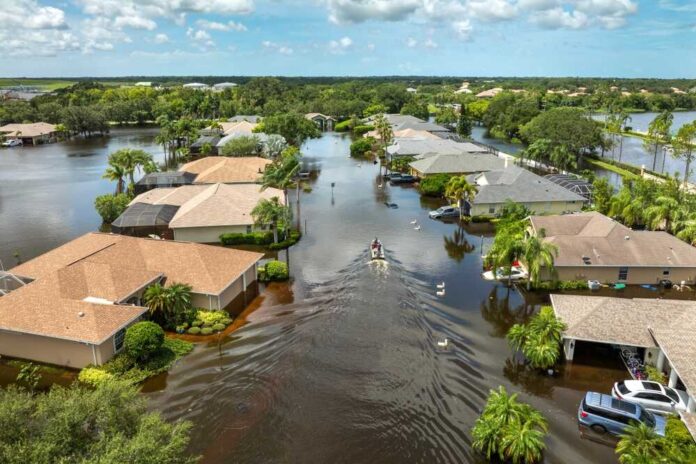
The recent flooding in New York City highlights a critical infrastructure failure that left residents vulnerable, reigniting debates on climate preparedness.
Story Snapshot
- Record-breaking rainfall overwhelmed NYC’s defenses, causing widespread damage and fatalities.
- The city’s aging infrastructure failed to manage the extreme weather event, and emergency responses were stretched thin.
- Residents face significant challenges as they begin recovery, with power outages and transit disruptions persisting.
- Political leaders are under pressure to accelerate infrastructure improvements and climate resilience efforts.
Record-Breaking Rainfall Devastates New York City
On October 30, 2025, New York City faced an unprecedented weather event as heavy rainfall led to deadly flooding across the area. The deluge set new records for single-day precipitation, overwhelming flood defenses and resulting in widespread damage. Streets, subways, and homes were inundated, with emergency services conducting numerous rescues as the city struggled to cope with the situation.
By midday, the rainfall intensified, exceeding historical hourly records and causing major flooding in multiple boroughs. Emergency declarations were issued as the city’s critical infrastructure, including transit systems, succumbed to the water’s force. The Metropolitan Transportation Authority (MTA) was forced to enact subway and road closures, complicating rescue operations and further stranding residents.
Deadly flooding overwhelms New York City with record-breaking rainfall https://t.co/mHKMAFnxjm #usa #feedly
— Music World 360 (@MusicWorld360x) October 31, 2025
Challenges in Emergency Response
The rapid onset of the storm revealed significant vulnerabilities in New York City’s emergency preparedness. Despite past experiences with severe weather events like Hurricane Sandy in 2012 and Hurricane Ida in 2021, the city’s infrastructure upgrades have lagged, leaving it ill-equipped for such extreme rainfall. The NYC Office of Emergency Management coordinated with various agencies, but the magnitude of the flooding strained resources and highlighted the need for more robust systems.
Local officials, including the Mayor, issued calls for residents to avoid non-essential travel, while emergency responders worked tirelessly to rescue those trapped by the floodwaters. Shelters were established for displaced individuals, but the scale of the disaster underscored the city’s ongoing challenges in managing severe weather impacts.
Watch: Deadly flooding overwhelms New York City with record-breaking rainfall
Political and Economic Implications
The aftermath of the flooding has reignited discussions on climate resilience and infrastructure investment in New York City. Political leaders face increasing pressure to address the vulnerabilities exposed by the storm, particularly as climate change contributes to more frequent and severe weather events.
Economically, the flooding’s impact is significant, with millions of dollars in property and infrastructure damage expected. The insurance industry is bracing for a surge in claims, while small businesses and residents struggle with the immediate consequences of the disaster. Long-term implications include potential zoning and building code changes to better prepare the city for future events.
As New York City begins its recovery process, the event serves as a stark reminder of the importance of proactive climate adaptation measures. The city’s dense population and reliance on critical infrastructure make it especially vulnerable, necessitating urgent attention to infrastructure resilience and emergency preparedness strategies.
Sources:
https://www.nytimes.com/2025/10/30/nyregion/nyc-floods-brooklyn-basement-death.html
https://www.bbc.com/news/videos/cly9dy9ngeeo