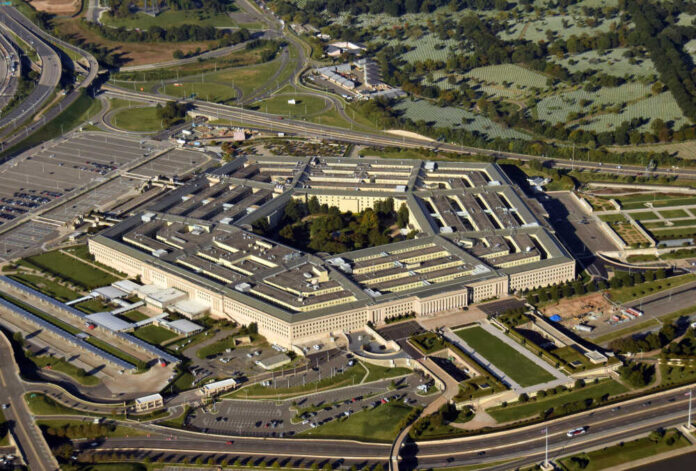
The Pentagon’s directive to establish thousands of National Guard “quick reaction forces” is raising alarms about the erosion of state control and potential federal overreach.
Story Highlights
- 23,500 National Guard soldiers to be mobilized by April 2026 for rapid domestic response.
- Federal directive overrides traditional state control of National Guard deployments.
- Training focuses on riot control and quick deployment.
- Concerns rise over potential shift towards federal policing powers.
Federal Directive Sparks Concerns
In an unprecedented move, the Pentagon has ordered the formation of “quick reaction forces” (QRFs) within the National Guard across all U.S. states and territories. These units, numbering up to 23,500 soldiers by April 2026, are designed for rapid response to civil disturbances and emergencies. This directive, revealed through a leaked memo in October 2025, has sparked significant debate over federal versus state control, especially given its scale and scope.
The directive mandates that each state prepare these forces for deployment within 24 hours, emphasizing their role in supporting federal, state, and local law enforcement during times of unrest. Critics argue this move edges the U.S. closer to a permanent federal policing force, raising significant constitutional concerns. Supporters, however, assert that such readiness is crucial for national security and public safety.
Pentagon readying thousands of 'reaction forces' as DOMESTIC missions widen…
Troops across country being trained for civil unrest…..https://t.co/ksfelOZ1MC pic.twitter.com/X9LlPre44e— LukeSlyTalker (@Terence57084100) October 30, 2025
Historical Context and Implications
The National Guard has long served dual state-federal roles, stepping in during natural disasters and civil unrest. Historically, federalization has been reserved for extraordinary circumstances. However, recent years have seen increased civil unrest and political polarization, leading to this directive. Previous deployments, such as during the 2020 George Floyd protests, highlighted gaps in response coordination, which the new initiative aims to address.
This shift towards federal control challenges traditional state autonomy over National Guard units. Such centralization could lead to tensions between state and federal priorities, particularly in politically divided regions. The directive’s focus on riot control and nonlethal weapons training highlights the administration’s intent to ensure rapid and effective responses to potential domestic threats.
Watch; Pentagon readying thousands of Guard ‘reaction forces’ as U.S. mission widens
Potential Impacts and Reactions
In the short term, this move is expected to enhance readiness for civil unrest and improve emergency response times. However, the long-term implications could be more profound, potentially leading to a permanent federal policing force and increased militarization of domestic law enforcement. State governments may find their autonomy reduced, a prospect that has drawn criticism from civil liberties groups concerned about the militarization of domestic responses.
The economic implications include increased federal spending on training and equipment, benefiting security and defense contractors. Socially, the directive could fuel tensions over perceived military overreach. Politically, it may ignite debates over federalism and civil liberties, prompting discussions on the appropriate balance between state and federal powers in maintaining public order.
Sources:
Trump’s National Guard Plan Edges the U.S. Closer to a Permanent Federal Police Force