The Trump administration just unlocked Venezuela’s massive oil reserves for American companies while blocking China, Russia, and Iran from the action—a strategic win for US energy dominance that liberals spent years refusing to pursue.
Story Snapshot
- Treasury authorizes five major oil companies—BP, Chevron, Eni, Repsol, and Shell—to resume Venezuela operations following Maduro’s removal
- New licenses allow infrastructure rehabilitation but explicitly ban dealings with Russia, Iran, North Korea, China, or Cuba
- Move opens world’s largest crude reserves to US firms after decades of socialist mismanagement destroyed Venezuela’s production capacity
- Strategic shift strengthens American energy security while weakening adversary nations’ influence in Western Hemisphere
Trump Administration Reopens Venezuelan Oil After Maduro’s Ouster
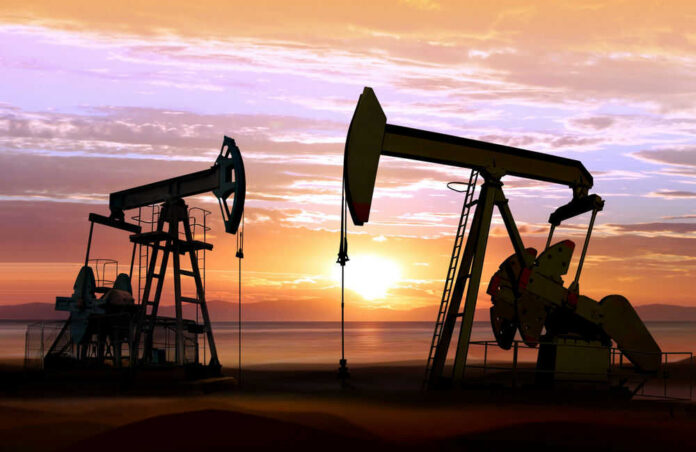
The Treasury Department’s Office of Foreign Assets Control issued General License No. 48 on February 10, 2026, authorizing US persons to provide goods, technology, and services for maintenance and refurbishment of Venezuela’s deteriorating oil infrastructure. This follows the US military’s capture of socialist dictator Nicolás Maduro on January 3, 2026, ending years of authoritarian rule that destroyed what was once Latin America’s wealthiest nation. The license enables five major companies to begin rehabilitating drills, pipelines, and production equipment without lifting broader sanctions entirely.
Strategic Restrictions Block Adversary Nations
The new authorization includes strict prohibitions preventing any involvement by entities linked to Russia, Iran, North Korea, China, or Cuba—adversary nations that exploited Venezuela’s socialist regime for decades. This requirement ensures American companies and allies benefit from Venezuela’s recovery while keeping hostile powers excluded from influence operations. All transactions must follow US law governance with mandatory reporting requirements, giving Treasury oversight that prevents sanction circumvention. This approach directly addresses conservative concerns about globalist competitors gaining footholds in America’s hemisphere through corrupt regimes.
Infrastructure Rehabilitation Creates Immediate Opportunities
Venezuela holds the world’s largest proven crude oil reserves, but Hugo Chávez’s nationalizations in the 2000s seized foreign assets and triggered decades of underinvestment. PDVSA, the state oil company, collapsed under socialist mismanagement and sanctions imposed during the Trump and Biden administrations through Executive Orders blocking oil operations and government assets. Eric Smith of Tulane Energy Institute notes the license immediately benefits oilfield service companies like Halliburton, enabling them to kick-start recovery efforts. Chevron, which maintained limited operations throughout sanctions, can now optimize existing assets alongside newly authorized partners.
Energy Security Strengthens Without Full Production Authorization
The current licenses authorize maintenance and repair activities but stop short of permitting new joint ventures or full-scale production financing, maintaining leverage over Venezuela’s post-Maduro government. Companies can now sell US-origin diluents necessary for transporting Venezuela’s heavy crude, which sanctions previously halted, causing production to collapse further. This measured approach boosts American exports of equipment and chemicals while assessing Venezuela’s political stability before major capital commitments. Long-term potential includes reviving massive reserves that could lower global oil prices and reduce dependence on Middle Eastern suppliers—core objectives for conservatives frustrated by Biden-era energy policies that prioritized green fantasies over American abundance.
Reversing Socialist Devastation Through American Leadership
Venezuela’s oil sector decline exemplifies socialism’s destructive consequences—Chávez’s seizures drove out ExxonMobil and others, causing hyperinflation and humanitarian crisis under Maduro’s continuation of leftist policies. The Trump administration’s post-Maduro strategy prioritizes US firms rehabilitating infrastructure under American legal frameworks, strengthening influence over PDVSA operations through contract terms. This contrasts sharply with previous administrations’ tolerance of Chinese and Russian exploitation of Venezuelan resources. Legal analysts emphasize the licenses prevent adversary bypass while preparing infrastructure for eventual expanded production, signaling sanctions flexibility tied directly to regime change—a pragmatic approach rewarding liberation from socialism with economic opportunity under American oversight.
Sources:
Trump administration moves closer to opening Venezuela to more US oil producers
Trump admin moves closer to opening Venezuela to more US oil producers
OFAC Venezuela General Licenses Oil
OFAC Issues General Licenses Authorizing Activities Involving the Venezuelan Oil Sector
US authorizes five oil majors to resume Venezuela operations