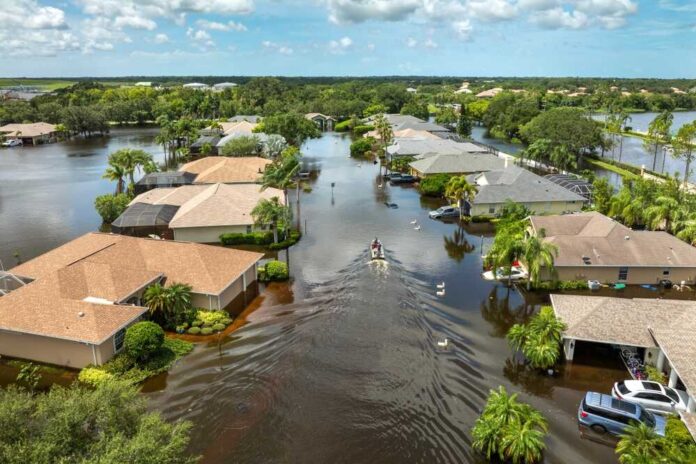
California’s recurring storm disasters expose how years of mismanaged wildfires and poor land stewardship have left families vulnerable during what should be a peaceful Christmas.
Story Snapshot
- Powerful Christmas Eve storm floods roads, triggers mudslides in burn scar areas, and disrupts power across Southern California on December 24, 2025.
- LAPD handles over 100 traffic accidents; city crews manage nearly 500 tree emergencies with no reported injuries or deaths.
- Evacuation warnings issued for mudflow risks near recent wildfire zones like Wrightwood, where homes filled with mud and rock.
- Risks persist into December 26 despite brief rain pause, highlighting ongoing threats from saturated soils and Sierra snow warnings.
Storm Hits on Christmas Eve
A powerful atmospheric river storm slammed Southern California on December 24, 2025, flooding roads and knocking out power lines in the Los Angeles area. Evacuation warnings went out immediately for communities below recent wildfire burn scars due to mudslide dangers. Heavy rains created a chaotic holiday scene, with mud and rock flows invading homes in Wrightwood. City officials mobilized quickly to address the immediate threats to residents and infrastructure.
Emergency Response in Los Angeles
Los Angeles Police Department officers responded to more than 100 traffic accidents caused by slick roads and fallen debris during the storm’s peak. City crews tackled nearly 500 tree-related emergencies, clearing hazards from streets and properties. The Los Angeles City Transportation Department worked to restore five damaged traffic signals. These efforts prevented injuries despite the high volume of incidents, showcasing effective local response under pressure. No traffic deaths occurred, countering unverified reports of fatalities.
Watch; https://www.youtube.com/watch?v=5JFMmmQ-QJg
Resident Impacts and Mudflow Dangers
Resident Misty Cheng in Wrightwood faced a “nightmare before Christmas” when mud and rocks poured into her home from nearby burn scars. Recent wildfires had stripped soil stability, turning heavy rain into fast-moving debris flows down steep canyons. This pattern underscores Southern California’s vulnerability, where urban sprawl meets fire-prone terrain. Families endured property damage and holiday disruptions, with evacuations adding stress during family gatherings. Long-term, such events worsen erosion cycles, demanding better forest management. Under President Trump’s return, renewed emphasis on clearing dead timber and reducing bureaucratic hurdles could mitigate future risks, protecting American families from nature’s wrath amplified by neglect.
Ongoing Risks and Regional Warnings
By December 25, a brief rain break offered relief in Los Angeles, but flooding and mudslide threats lingered due to saturated ground. Statewide winter storm warnings extended through December 26 for the Sierra Nevada, forecasting 12 inches of snow daily above 7,000 feet, with potential drops to 5,000 feet by the weekend. Inland areas like Wrightwood remained on high alert. These persistent dangers highlight the need for proactive preparedness in fire-ravaged zones.
President Trump’s administration successes in economic resilience and deregulation provide a model for disaster-prone states. By cutting red tape on land management, similar to past forestry reforms, California could reduce burn scar vulnerabilities. Taxpayer-funded cleanups strain budgets already burdened by past overspending—reforms prioritizing prevention align with conservative principles of fiscal responsibility and self-reliance.
Sources:
LA got break from rains during Christmas Day, but flooding risks remain – LA Times