
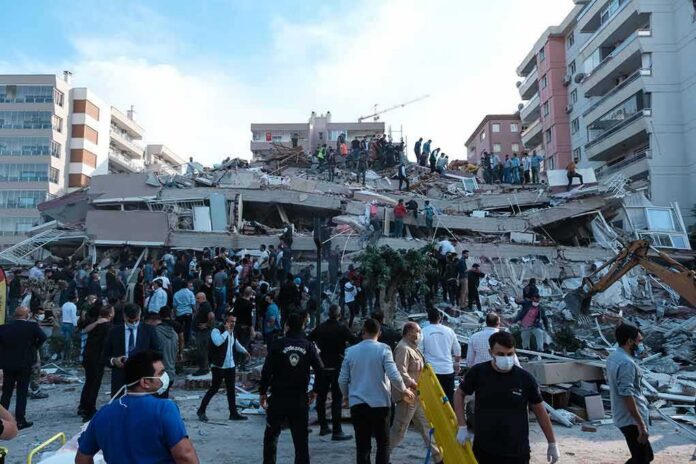
Russian ballistic and cruise missile barrages slammed Kyiv again, killing civilians and injuring dozens across the capital and surrounding region, officials said.
Story Highlights
- Reuters reported repeated Russian missile strikes on Kyiv with rising death tolls and many injured.
- Kyiv’s mayor said the capital was under ballistic missile attack as emergency crews rushed in.
- Ukrainian services and prosecutors confirmed multiple deaths inside the city and region across July–August.
- Air attacks used ballistic, cruise, and hypersonic missiles, plus large drone waves, officials said.
Missile Barrages Strike Kyiv and Surrounding Areas
Reuters reported that Russian airstrikes killed at least 17 people and injured more than 40 in Kyiv and the surrounding region during a massive overnight attack. Ukrainian officials said Russia launched dozens of cruise missiles, along with ballistic and hypersonic weapons, and more than one hundred drones in repeated waves against the capital area. Those figures came after several July strikes that also left dead and wounded across districts in Kyiv city and the wider region, according to official updates carried by the wire service.
Kyiv Mayor Vitali Klitschko said the capital was under ballistic missile attack as emergency teams moved to affected neighborhoods. Reuters accounts described loud explosions across the dark city during one major barrage, with officials reporting at least one person killed and many wounded in that incident. Fire and debris were documented at multiple sites as responders worked to contain blazes and search damaged buildings for survivors after the impacts.
Casualty Counts Evolve Across Multiple July–August Strikes
Ukrainian emergency services and prosecutors reported deaths in Kyiv city after early July attacks, with at least 18 killed in one strike and additional fatalities recorded in the wider region, Reuters reported. Later strikes added to the toll, including incidents that killed 10 and then 17 people across Kyiv and nearby areas, with injuries that included children in some district-level tallies. Officials released figures through briefings and posts that Reuters compiled in its coverage.
Reuters said a series of powerful explosions shook Kyiv during a major ballistic missile attack on one July night, with one person killed and at least 16 wounded in that event. Subsequent reporting noted repeated hits in following weeks, including barrages that set fires and damaged warehouses, logistics centers, and residential locations in and around the capital. The pattern showed frequent nighttime launches aimed at straining air defenses and sowing fear among civilians.
Weapons Used and Strain on Air Defenses
Ukraine’s air force and city officials said Russia used a mix of ballistic missiles, cruise missiles, and hypersonic systems, combined with dense drone swarms, to challenge Kyiv’s layered defenses. Reuters reports tied the intensity of these barrages to appeals from Ukraine’s leadership for more air defense missiles, including interceptors for Patriot batteries, as resources were being stretched by repeated attacks on the capital region.
Russian Attack on Kyiv and Region Kills Four
A Russian missile and drone attack on Kyiv and the surrounding region killed at least four people and wounded more than ten, Ukrainian officials said on Monday. There were also unconfirmed reports of higher casualties in Boryspil, and…
— WORFLICT – WAR NEWS (@worflict) September 1, 2026
Officials said attacks often targeted critical infrastructure and urban districts, sparking fires and secondary damage. The reported use of multiple weapon types in a single wave complicated interception, while debris from downed threats also caused harm on the ground. Emergency services emphasized rescue, firefighting, and rapid medical aid as casualty numbers rose in the hours after each strike. Reuters attributed the key figures and weapon details to Ukrainian government and emergency sources it cited in dispatches.
What It Means for Americans Watching the War
The continuing strikes on Kyiv show how modern air wars pressure cities and responders night after night. The attacks also highlight why clear goals, strong borders, energy security, and stable spending matter at home. American readers see the cost when defense stockpiles run low and when vital systems are exposed. The lesson is simple: peace comes from strength, readiness saves lives, and truth in reporting helps citizens keep their leaders focused on safety and accountability abroad and here at home.