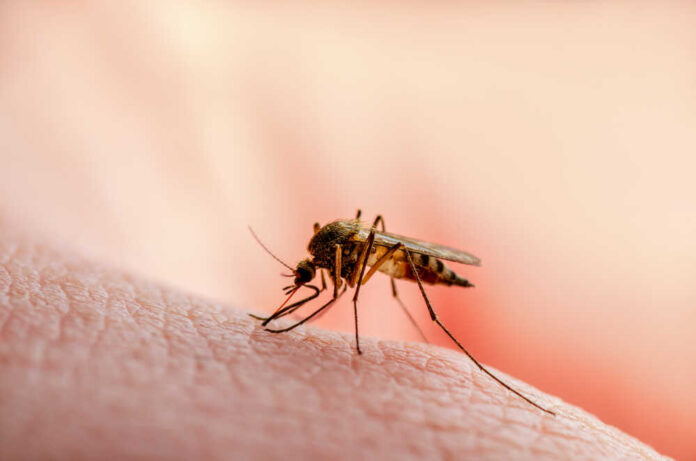
Rising West Nile virus cases in Kansas pose a severe health threat as mosquito season peaks.
Story Highlights
- Kansas reports six West Nile virus cases, five are severe neuroinvasive infections.
- Mosquito activity peaks, increasing the risk of infection across the state.
- Officials urge mosquito bite prevention due to lack of specific treatments.
West Nile Virus Threatens Kansas Amid Mosquito Season
The Kansas Department of Health and Environment (KDHE) is monitoring six confirmed human cases of West Nile virus (WNV) as of August 15, 2025. Notably, five of these cases are classified as neuroinvasive, indicating severe involvement of the central nervous system. The geographic distribution of cases is even, with three in north-central and three in south-central Kansas. Despite the lower case count compared to the previous year, health officials caution that the risk will rise during the peak of mosquito activity in late summer.
Since the West Nile virus first entered the U.S. in 1999, it has become endemic, with annual outbreaks that typically peak in the late summer months. The virus, primarily transmitted by Culex mosquitoes, is a recurring threat due to the climatic conditions in Kansas that favor mosquito breeding, particularly hot and dry summers. Over the years, Kansas has reported significant numbers of WNV cases with occasional spikes correlating to favorable breeding conditions for mosquitoes.
Kansas tracks 5 serious West Nile virus cases as mosquito season peaks across the state https://t.co/voeXftUxIN #FoxNews
— Tom (@thmsm74) August 22, 2025
Preventive Measures and Public Health Messaging
In response to the current situation, KDHE has intensified its public health messaging, emphasizing the importance of mosquito bite prevention as the best defense against WNV. With no specific antiviral treatments available for WNV, public health efforts focus on prevention and monitoring. Residents are encouraged to use insect repellent, wear long sleeves, and avoid outdoor activities during peak mosquito hours. The KDHE continues to update its public WNV dashboard on a weekly basis during the surveillance season.
Local health departments are actively working to educate the public about mosquito control and preventive measures. Healthcare providers play a crucial role in diagnosing, reporting, and managing WNV cases. Despite the ongoing efforts, the lack of specific treatments for WNV means that the emphasis on prevention remains pivotal.
Watch: https://youtu.be/JRALhMRUoAg?si=nVgc_SI9Li1csxZO
Ongoing Surveillance and Future Implications
As mosquito activity reaches its peak, the risk of WNV infections is expected to rise. While the current number of cases is lower than in previous years, the high proportion of severe neuroinvasive cases raises concerns about potential hospitalizations and healthcare costs. The ongoing surveillance and public health initiatives aim to mitigate these risks by keeping the public informed and prepared.
Long-term, Kansas remains vulnerable to WNV outbreaks, necessitating sustained surveillance and public education efforts. The broader impact includes increased focus on vector control and research into mosquito-borne diseases, as well as the influence of climate variability on outbreak patterns. Public health officials and researchers continue to explore innovative solutions to combat the ongoing threat posed by vector-borne diseases like West Nile virus.
Kansas tracks 5 serious West Nile virus cases as mosquito season peaks across the state https://t.co/voeXftUxIN #FoxNews
— Tom (@thmsm74) August 22, 2025
With the current focus on prevention and education, Kansas hopes to reduce the impact of WNV as the mosquito season progresses. The collaborative efforts of state health departments, local agencies, and the community are essential in addressing this public health challenge.
Sources:
Fox News: Kansas tracks 5 serious West Nile virus cases
Health and Me: First human West Nile case reported in Maryland
Liebert Pub: Historical WNV Trends
CDC: West Nile Virus Current Year Data