
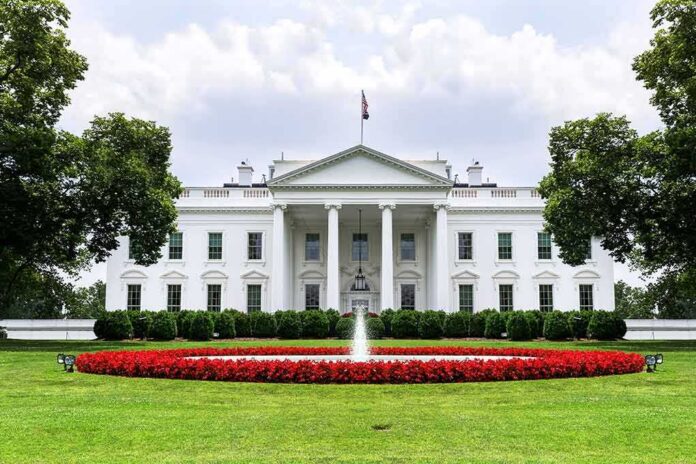
A new documentary spotlights the White House ballroom project that aims to end costly tents and boost secure event capacity.
Story Highlights
- The ballroom is designed for about 90,000 square feet with up to 650 seated guests.
- Officials say it replaces temporary tents with a permanent, secure event space.
- National Park Service found no significant environmental impact but noted cultural-landscape harm.
- Private donors, including President Trump, are described as the primary funding source.
What The Project Actually Does
The White House described a new state ballroom of roughly 90,000 square feet, with seating for up to 650 guests. That is more than triple the East Room’s capacity for seated events. The goal is simple: hold large, formal gatherings inside, rather than push guests to tents outside. The administration says this modern space will support state dinners, bill signings, award ceremonies, and major briefings without straining temporary setups.
Officials told the National Capital Planning Commission the ballroom would provide permanent, secure hosting and remove the need for tents, pop-up kitchens, and extra infrastructure. They argue this change improves logistics, security, and guest flow for large events. By bringing everything inside, the project seeks to streamline power, communications, and protection. Supporters say it fixes a decades-old pain point created by limited indoor capacity at the Executive Mansion.
Why It Matters For Security, Costs, And Dignity
Presidents have used large tents on the South Lawn when event size outgrew the East Room. Reporters noted President Trump said the ballroom would end shuttling guests to temporary structures. Coverage has long shown that big state receptions and other large gatherings used tents due to space limits. The new hall aims to replace this stopgap with a purpose-built, protected venue, which better fits the stature and security needs of a modern presidency.
The National Park Service issued a “finding of no significant impact,” clearing the project under federal environmental review. At the same time, it acknowledged permanent adverse effects on the cultural landscape. That means the project passed a key legal hurdle while still raising preservation flags. The review also cites reduced reliance on temporary facilities as a long-term benefit, reinforcing the core operational case for the new space.
Funding, Timelines, And The Debate Over Scale
The White House said President Trump and “patriot donors” committed to fund the approximately $200 million project. That approach, if honored, would shield taxpayers from most direct costs. Media accounts have echoed that position, describing private funding as the plan. However, public reporting also shows cost figures have varied since the start, which makes budget tracking harder to confirm from open records alone.
Several outlets reported shifting estimates for cost and timing. One report said completion could come in 2028, which would extend beyond early projections. Capacity figures have also varied in public comments, from 650 seated to higher standing counts in later descriptions. These gaps do not erase the need for a larger space, but they do invite critics to question scope, stewardship of the grounds, and transparency on final costs and schedules.
Pushback From Preservation Voices
Preservation groups and some architects argue the addition is too large and risks overwhelming the historic balance of the mansion and its wings. They want a more rigorous review and, in some cases, a smaller footprint. Their concerns focus on scale, landscape integrity, and symbolism. While the environmental process moved forward, those cultural worries have staying power in Washington debates and will likely shadow the project through completion.
Bottom Line For Conservative Readers
The practical case is strong: build inside capacity to end tents, improve security, and host major events with dignity. The administration has presented a plan that relies on private money and a lawful review that cleared the environmental bar. The challenges are familiar: nail down costs, settle capacity numbers, and show stewardship of a national landmark. Clear records and final drawings can close those gaps while delivering a lasting win for secure, efficient White House operations.
Sources:
youtube.com, ncpc.gov, amp.dw.com, thehill.com, cnn.com, thedailystar.net, nbcnews.com, theledger.com