A new military strategy by the IDF could reshape Gaza, raising concerns over humanitarian impacts and global reactions.
Story Snapshot
- IDF plans to capture Gaza City, intensifying military operations.
- Simultaneous expansion of humanitarian support and field hospitals.
- Mass civilian evacuations aimed to mitigate casualties.
- Tensions rise amidst military objectives and humanitarian obligations.
Military Strategy and Humanitarian Efforts
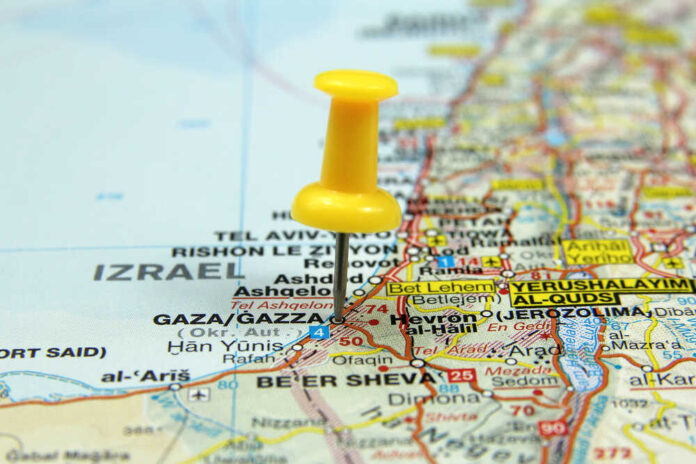
The Israeli Defense Forces (IDF) are executing a dual strategy in Gaza: advancing militarily to capture Gaza City while expanding humanitarian efforts. This approach aims to establish control over strategic urban centers as part of an intensified military campaign that resumed in March 2025, following the breakdown of a ceasefire. Simultaneously, the IDF is working to mitigate civilian casualties by constructing field hospitals and logistical infrastructure in anticipation of mass evacuations. This dual-track approach reflects an attempt to balance military objectives with humanitarian responsibilities.
IDF Plans to Capture Gaza City, Prepares Construction of Field Hospitals for Evacuated Civilianshttps://t.co/Dx4c09B6T8
— Shine the Light Ministries (@STLightMin) August 18, 2025
The IDF’s efforts to capture Gaza City come after expanding buffer zones and intensifying airstrikes in Rafah and southern Gaza in early 2025. These actions have led to significant civilian displacement, with over 140,000 Palestinians evacuated from Rafah alone. The construction of additional field hospitals and aid distribution centers is part of the military’s strategic planning to address the needs of displaced civilians. However, the scale of planned evacuations and the logistical challenges of providing medical support in an active war zone remain unprecedented.
Watch: Israeli strikes intensify on Gaza City as forced displacement plan advances
Humanitarian and Political Implications
The humanitarian situation in Gaza, already strained by decades of conflict, is now at a critical juncture. The collapse of Gaza’s healthcare system necessitates the establishment of field hospitals, yet the aid provided is reportedly insufficient for the population’s needs. Humanitarian agencies, including the United Nations and international NGOs, are urging for greater access and protection for civilians amidst ongoing hostilities. The IDF’s initiatives, while necessary, are viewed by some as inadequate to address the humanitarian crisis comprehensively.
International scrutiny of Israel’s military and humanitarian efforts is intensifying. The IDF’s actions are framed as a moral responsibility by Israeli officials, yet critics argue that these measures sometimes serve military objectives. Concerns over the adequacy of evacuation warnings and the effectiveness of humanitarian corridors persist, highlighting the complex interplay of military strategy and humanitarian obligations in conflict zones.
Future Outlook and Regional Impact
As the IDF consolidates control over key areas in Gaza, preparations for further offensives and humanitarian infrastructure expansions continue. The potential for protracted displacement and the further collapse of Gaza’s social and healthcare infrastructure loom large. Long-term effects on public health, education, and economic recovery are anticipated, with broader implications for regional political dynamics and international relations. The humanitarian sector faces significant operational challenges, and the potential for conflict spillover into neighboring countries remains a concern.
The IDF’s dual-track approach underscores the tension between achieving military objectives and fulfilling humanitarian responsibilities. As the situation develops, the international community’s response and the effectiveness of humanitarian efforts will be critical in shaping the future of Gaza and its people.
Sources:
Wikipedia: Timeline of the Gaza war
Britannica: Israel-Hamas War summary
ABC News: Timeline of Israel’s actions in Gaza
ACLED: Middle East Overview, May 2025