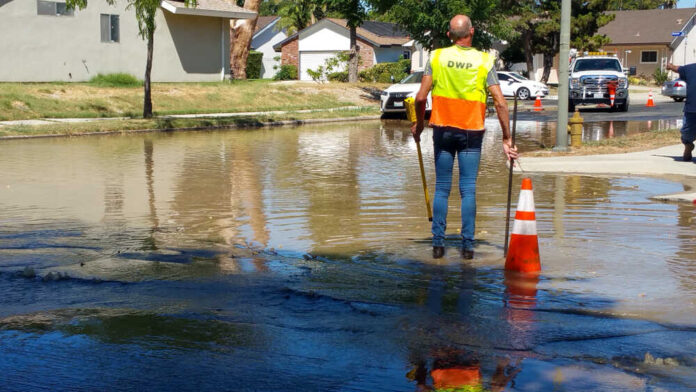
A massive water main break has left over 100,000 residents in El Paso without water, highlighting infrastructure vulnerabilities and sparking concern over governmental response.
Story Highlights
- Over 100,000 residents were affected by a 36-inch water main break in El Paso.
- Water outages have led to school closures and a boil water notice.
- Full restoration may take up to 72 hours, impacting daily life.
- This event underscores the aging infrastructure issue in major U.S. cities.
El Paso Residents Grapple with Water Crisis
On January 10, 2026, a 36-inch water main break near the intersection of Girl Scout and Transmountain in Northeast El Paso left over 100,000 residents with little to no water. This unprecedented event drained approximately 15 water reservoirs, impacting 38,000 customers and necessitating a precautionary boil water notice. The El Paso Water (EPWater) department swiftly activated a response, setting up water distribution points to aid the affected population.
With multiple schools closed, including those in the El Paso Independent School District (EPISD), and a press conference held by city leaders, the community has been left scrambling. The situation has emphasized the critical need for investment in infrastructure, particularly in areas prone to such crises. City officials have coordinated a response through the Office of Emergency Management to mitigate the impact on residents.
Watch: https://www.youtube.com/watch?v=HO9AoI7Fbc8
Infrastructure Woes and Community Response
The break in the main pipeline, described as an event of “unprecedented proportion,” highlights a significant flaw in El Paso’s infrastructure. Despite no immediate external cause, the design of the pipeline and its interconnected smaller lines have exacerbated the situation. While full restoration could take up to 72 hours, the EPWater department has been working around the clock to address the issue and ensure public safety through boil water notices and 24/7 water distribution.
Residents, particularly vulnerable groups including the elderly and disabled, have been the hardest hit. The EPWater department has prioritized water delivery to these groups, acknowledging the severe impact on daily life and health risks posed by unboiled water. Community reliance on public water distribution points has become essential, and the public has been urged to conserve water and remain patient while repairs continue.
Long-Term Solutions and Political Implications
This crisis serves as a stark reminder of the potential risks posed by aging infrastructure, not just in El Paso but across the nation. It underscores the urgent need for investment in resilient water systems, particularly in arid regions susceptible to such breakdowns. Politically, the situation has prompted discussions on governmental responsibility and the importance of proactive measures to prevent future incidents.
More than 100,000 El Paso, Texas residents left with little to no water after main break https://t.co/V4whD1k7ki
— KGET 17 News (@KGETnews) January 13, 2026
As repairs progress, the community remains vigilant, with residents and officials alike advocating for improvements and accountability. The situation has sparked a broader debate on how cities can better prepare for and respond to infrastructure failures, ensuring that such disruptions are minimized in the future.
Sources:
El Paso officials to provide update in press conference following major water main break
More than 100,000 El Paso, Texas residents left with little to no water after main break
EPWater responds to water outage in Northeast and parts of Central El Paso
EPISD article on school closures
Complete coverage: Water main break in Northeast El Paso