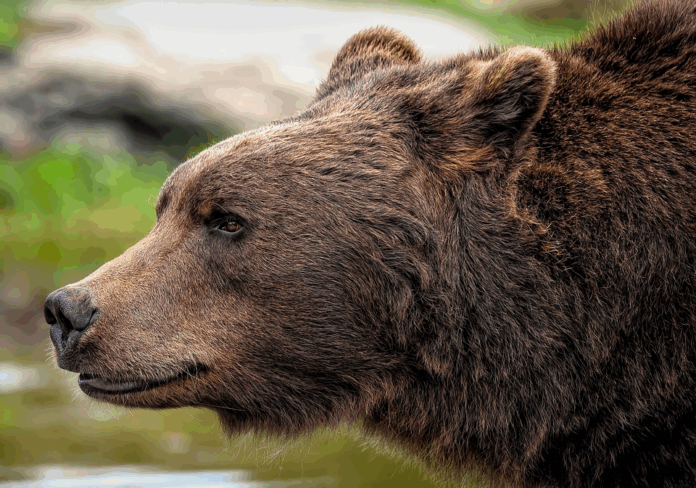
A predawn bear attack just steps from a mother’s home in Alaska exposes the stark dangers lurking on America’s doorstep when government priorities fail to put safety and self-reliance first.
Story Snapshot
- A 36-year-old mother of three was severely mauled and dragged 100 yards by a bear outside her Kenai, Alaska home during an early morning jog.
- The attack occurred in a semi-residential area, highlighting growing conflicts between expanding communities and unchecked wildlife hazards.
- Authorities have intensified patrols, while the victim’s family and local residents demand action to prevent future tragedies.
- The incident renews debate over personal safety, government wildlife management, and the need for constitutional rights like self-defense in rural America.
Mother Mauled by Bear Just Steps from Home
In the early hours of August 26, 2025, Ariean Fabrizio Colton, a mother of three, stepped outside her Kenai, Alaska residence for a morning jog and was ambushed by a brown bear only 50 yards from her doorstep. The bear dragged her roughly 100 yards away, inflicting critical injuries that required emergency surgery and an extended hospital stay. Such a brutal attack so close to home has sent shockwaves through the semi-rural community, raising immediate concerns about safety and the effectiveness of current wildlife policies.
This incident did not occur deep in the wilderness but in an area where families live, children play, and people expect a reasonable degree of safety. Residents report that while bear sightings are not uncommon, attacks of this severity near homes remain rare. The proximity of the attack underscores the growing risks posed by expanding residential development into traditional bear habitats, especially during late summer when bear activity peaks as they forage ahead of winter. Previous minor incidents in Kenai forewarned of such dangers, but this event has made the threat painfully real.
Jogger Critically Injured After Being Dragged 'Approximately 100 Yards' by Bear Outside Her Home https://t.co/EsqdaKOCkU
— People (@people) September 1, 2025
Community Response and Calls for Action
Colton’s survival and the severity of her injuries have galvanized the local community and prompted an outpouring of support. Her family is now at the center of recovery efforts and public fundraising, while neighbors and local authorities seek solutions to prevent future tragedies. The Alaska Wildlife Troopers and Department of Fish and Game are investigating the bear’s behavior and have stepped up patrols, but the animal involved has not been located or euthanized as of the latest updates. The story has also reignited debate over Americans’ right to defend themselves and their families—especially in regions where government response times can be slow, and personal responsibility is the first line of defense
Watch: https://youtu.be/c5zApl0WpoQ?si=8x6GgARrBGopdW7K
Long-Term Implications and Policy Debate
In the short term, Kenai residents face heightened fear and increased vigilance, with more patrols and public warnings now the norm. Longer-term, the incident may lead to changes in local policies—like stricter rules on food storage and garbage, expanded educational campaigns, and potentially revised protocols for relocating or culling dangerous wildlife. The economic toll is also significant, with Colton’s medical costs and fundraising efforts highlighting the real-world consequences of policy decisions that fail to prioritize community safety.
The event has become a flashpoint for larger questions: Are government agencies doing enough to balance conservation with human safety? Are residents being empowered to defend their families? And how can communities preserve both their way of life and the wild character that defines Alaska?
Sources: