President Trump’s new Iran sanctions hit Tehran’s money lifelines while warning China and others to stop funding the regime’s missiles and terror network.
Story Highlights
- Treasury launched “Operation Economic Outcast” to choke Iran’s core revenue sectors.
- Secondary sanctions threaten foreign banks and shippers that keep Iran’s trade alive.
- Administration framed the plan as pressure to avoid wider war, with staged rollout.
- Critics warn the pressure could spark retaliation and raise war risks.
Treasury Targets Iran’s Cash Arteries, Notches Up Pressure
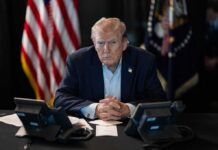
The Treasury Department said it began “Operation Economic Outcast,” an unprecedented sanctions drive ordered by President Trump to hit Iran’s digital assets, technology, gold, aviation, and shipping. Secretary Scott Bessent described the campaign as a direct strike on the regime’s lifelines that fund missiles, proxy groups, and repression. The plan expands pressure beyond oil alone. It seeks to dry up revenue and force changes in behavior without sending American troops into another Middle East war.
Officials paired the new designations with a tougher warning to outside players. Secondary sanctions will hit any foreign company or bank that moves Iran’s oil, insures its ships, or clears its payments. Reuters explained that independent refiners and smaller intermediaries are especially exposed when the United States threatens access to the dollar system. That threat matters more than speeches. It is the real lever that cuts off Tehran’s last remaining trade routes and raises the cost for its partners.
Calibrated Rollout Signals Off-Ramp If Behavior Changes
The administration described a staged rollout that pairs immediate actions with a grace period for some third parties. The message is simple: unwind ties now or risk being cut off later. The Washington Post reported that Treasury unveiled the campaign but held back on naming which foreign countries would be targeted first and when the toughest penalties would bite. That sequencing gives Washington leverage and gives partners time to shift, while keeping pressure squarely on Tehran’s choices.
Past actions preview this playbook. The Treasury Department has already sanctioned dozens of people, companies, and “shadow fleet” tankers tied to illicit Iranian oil sales and weapons work this year. That steady tempo is designed to close loopholes that let Iran move oil through front firms and shell logistics. Each round also gives fair warning to foreign facilitators that the window is closing. That is how the United States has squeezed Iran’s earnings without firing a shot.
China Dimension: Quiet Compliance Beats Loud Protests
The China angle sits at the center of secondary sanctions. Analysts and trade data show much of Iran’s remaining commerce relies on Chinese-linked refiners, shippers, and banks. Public pushback from Beijing has not stopped targeted enforcement. Reuters noted that smaller China and Hong Kong entities involved in processing Iranian oil have already faced sanctions from the Treasury’s enforcement arm. When the cost of losing dollar access rises, even large actors tend to tighten compliance quietly.
Critics warn that sharper sanctions can raise risks. Political scientist Robert Pape argued the plan could create an “escalation trap,” with Iranian retaliation followed by more United States steps and pressure for strikes, even if sanctions work tactically. That caution is serious, but it misses the administration’s stated aim: use money, not Marines. Bessent’s rollout focuses on economic choke points and gives outside players time to exit, which supports deterrence and limits chances of a wider fight.
What It Means for Americans and Allies
This campaign aligns with core conservative goals: protect American troops, punish terror sponsors, and defend our economy from rogue regimes. Sanctions force choices on banks and brokers that kept Iran afloat. They also warn China that it cannot enjoy the American market while helping Tehran dodge rules. Strong, lawful economic action beats open-ended wars and blank checks. It also respects Congress’s sanctions framework and the rule of law that shields our liberty at home.
Risks remain. Iran may lash out through proxies or cyber strikes. Markets may wobble if shadow fleets scramble. Those are real costs. But the alternative is worse: a richer Iranian regime buying weapons, spreading terror, and testing our resolve. By tightening dollars, ships, and chips, Washington puts Tehran on notice and gives partners a clear off-ramp. Pressure with purpose is how you change conduct and keep faith with America’s security and our Constitution.