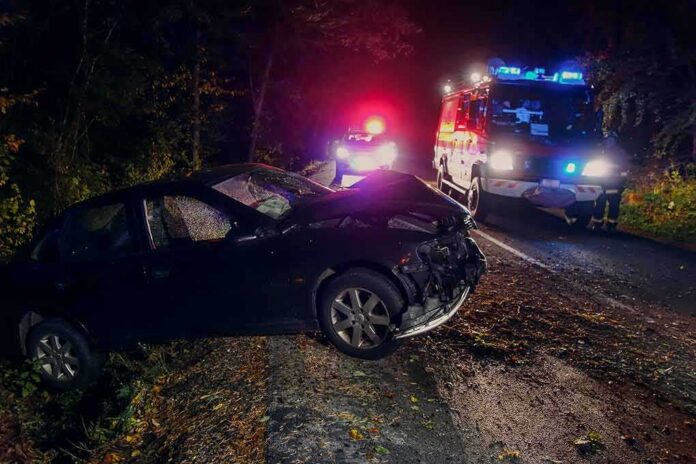
Police say a driver used his car to pin Australian lawmaker Helen Haines between vehicles outside her office, and they are treating it as a targeted attack while they build the case.
Story Snapshot
- Charges include intentionally causing serious injury and harming a Commonwealth public official.
- Counter-terrorism teams joined the probe; motive remains unknown.
- A knife was found in the vehicle, adding weight to intentionality concerns.
- The accused’s lawyer raised health and concussion issues; no ideology shown yet.
What Police Allege And Why It Matters
Victoria Police allege Brendan Nugent used a Toyota Land Cruiser to strike Haines near her Wangaratta office, pinning her between cars. Officers said they would allege the act was targeted, not random, which drives the harshest charges now on the table. The car itself becomes a weapon under the law when used this way. That claim, paired with the scene and injuries, explains why investigators moved fast and wide, and why the public tone turned serious so quickly.
The charge sheet shows where investigators think the evidence points today. It lists dangerous driving causing serious injury, intentionally causing serious injury, and causing harm to a Commonwealth public official. That last count flags that the alleged victim is not just any person but a federal member of Parliament, which triggers federal interest. Police have not added attempted murder or terrorism offenses at this stage, but they have left the door open to more charges as evidence firms up.
Why Counter-Terrorism Stepped In Without A Motive
Prime Minister Anthony Albanese said Victoria Police, the Australian Federal Police, and the Australian Security Intelligence Organisation were working together, and that the Joint Counter-Terrorism Team was activated while motive remained unknown. That step signals urgency, not a final label. Australian counter-terrorism law requires proof of an ideological aim and a plan to intimidate the public or coerce government, beyond serious violence alone. Teams often activate early to check for networks, threats, or signals, then scale their posture to the facts.
Detectives also said they found a knife inside the vehicle, another detail that supports deeper scrutiny into planning and intent. A weapon in a car does not prove a terror plot. But it does raise the ceiling on what prosecutors will consider if other evidence suggests a plan or statements that show ideological purpose. Until that link is clear, the law treats this as an alleged targeted act causing grave harm to a public official, with terrorism still unproven and off the charge list.
The Health Claims, The Gaps, And The Line Between Intent And Ideology
The defense pointed to health issues rather than ideology. In court, Nugent’s lawyer said his client has idiopathic transverse myelitis, a neurological condition, and had suffered a concussion. He also raised concerns about mental health, though he said there was no diagnosis on record. None of these claims explain the charges, but they do challenge any rush to link the case to a movement or plot. Authorities reported no prior intelligence warning of an attack.
Flowers and heartfelt messages are piling up outside Helen Haines’ electoral office in Wangaratta, as the community rallies around the independent MP following Monday’s alleged attack.
Locals have gathered to show their support, with hundreds attending vigils to pray for her… pic.twitter.com/t06NxJ5QiN
— 10 News Melbourne (@10NewsMelb) October 21, 2026
Two separate questions will define the path ahead. First, did the accused act with intent to cause serious harm? The pinned collision, the charge of intentional injury, and the knife push that question to the front row for a jury someday. Second, did he act to advance a political, religious, or ideological cause, with the aim to intimidate the public or coerce government? That high legal bar is why the terrorism label remains premature, even as specialists stay engaged.
What Comes Next And What Common Sense Says
Investigators will scour vehicle data, street cameras, and witness accounts. They will examine the car’s event recorder for speed, braking, and steering inputs. They will test the knife for prints and DNA. They will search phones and computers for posts, notes, or messages that speak to motive. If evidence shows planning, selection of Haines, or ideology, prosecutors can escalate. If it shows a personal feud or health crisis, the current serious-violence framework may stand.
Common sense says hold two truths at once. The public deserves firm protection for officeholders and zero tolerance for targeted violence. At the same time, labels must match the law and the facts. The charges already filed mark this as severe. The counter-terrorism posture tests for wider danger, not a headline. Let the evidence decide the label, and make the process visible enough to keep public trust while the system does its job.
Sources:
youtube.com, theconversation.com, abc.net.au, smh.com.au, aapnews.aap.com.au, 7news.com.au, sbs.com.au, apnews.com, news.com.au, inslm.gov.au