A San Clemente father of five is paralyzed after racing into a rip current to help a child reach safety.
Story Highlights
- Witness accounts name Josh Collette, 42, as the injured rescuer at Riviera Beach
- Doctors told the family he is paralyzed from the neck down; the child got out safely
- Family fundraising describes a long recovery with major medical and therapy costs
- San Clemente officials warn rip currents are a serious and common coastal danger
Heroic Rescue Ends In Life-Changing Injury
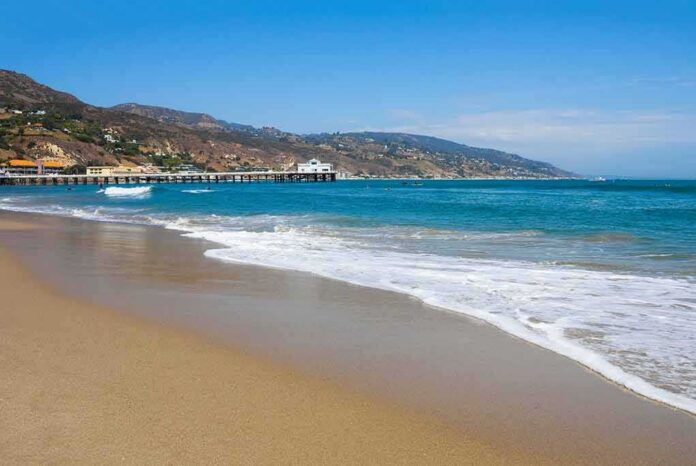
New York Post reporting says Josh Collette, 42, was with family at San Clemente’s Riviera Beach on August 15 when a child became trapped in a rip current. The report says Collette rushed into the surf and struck rocks or a sandbar, feared he had broken his neck, and was later told he was paralyzed from the neck down. The same account says the child exited the water safely before rescuers reached Collette.
Patch coverage says the family launched a fundraiser and described a long recovery ahead. The family message asks for help with medical bills, therapy, and support needs as they adjust to paralysis care. Patch identifies Collette as a San Clemente father of five and places the injury on Saturday, August 15. That community report aligns with the core timeline and the serious nature of the injury described by relatives.
Rip Currents: A Known Local Hazard On San Clemente Shores
City of San Clemente guidance warns that rip currents are dangerous and advises swimmers to move parallel to the beach to escape the pull. The city’s marine-safety pages underscore that surf conditions can change fast and that swimmers should check with lifeguards before entering the water. This official advice supports the hazard context at Riviera Beach and helps explain how a sudden current can sweep children and adults into trouble near rocks or sandbars.
Regional news coverage shows that Southern California beaches see many rip current rescues, especially when surf is high. ABC7’s reporting documents recent rip current incidents in the same coastal region. These reports do not speak to this rescue’s minute-by-minute details, but they confirm that lifeguards and families in this area face strong, shifting currents and dangerous surf zones during peak beach days.
Why Bystander Rescues Turn Risky Fast
National hazard research finds rip currents drive the vast majority of surf-beach rescues across the United States, with a long-term average near eighty-two percent. That data point explains why many tragedies begin when a bystander chooses to help a loved one in trouble. Safety groups urge people to call for a lifeguard, throw a float, and avoid becoming a second victim in the same rip channel whenever possible.
JUST IN: California father Josh Collette, 42, was paralyzed from the neck down after diving into the ocean at Riviera Beach in San Clemente on Aug. 15 to rescue a child caught in a rip current, his sister said. pic.twitter.com/fhF1Rb8H4r
— JUST IN (@justinnews67) August 24, 2026
Some rescue attempts end in trauma when a rescuer meets a hard impact in the surf zone. Waves can slam swimmers into shallow bars or nearshore rocks, causing severe neck injuries. Local hospital outreach programs in Orange County teach beachgoers to protect the head and neck when entering waves, but split-second decisions in a rescue often leave no margin. That reality adds weight to training, posted warnings, and family safety plans before toes hit the water.
Community Response And What Comes Next
Neighbors are rallying to support the Collette family as they face intensive care, rehabilitation, and home changes. The family’s appeal stresses hope, prayer, and practical help to meet near-term costs and long-term therapy. While some medical specifics remain private, the consistent accounts across reports point to a difficult road ahead. Community generosity can bridge gaps, but beach safety awareness and strong lifeguard staffing remain the front line against future tragedies.
Sources:
nypost.com, abc7.com, sanclemente.gov, cbsnews.com