A U.S. State Department report says Cuban intelligence penetrated top levels of our government and helped fuel far-left unrest on American soil.
Story Highlights
- The State Department released a 100-page report alleging decades of Cuban subversion against the U.S.
- The report says Cuban spies reached senior posts at the State Department, National Security Council, and Pentagon
- Known spy cases like Victor Manuel Rocha and Ana Belén Montes are cited as proof of deep penetration
- Officials link Cuba to activist networks and campus influence, though some details remain undisclosed
State Department Details Alleged Decades-Long Infiltration
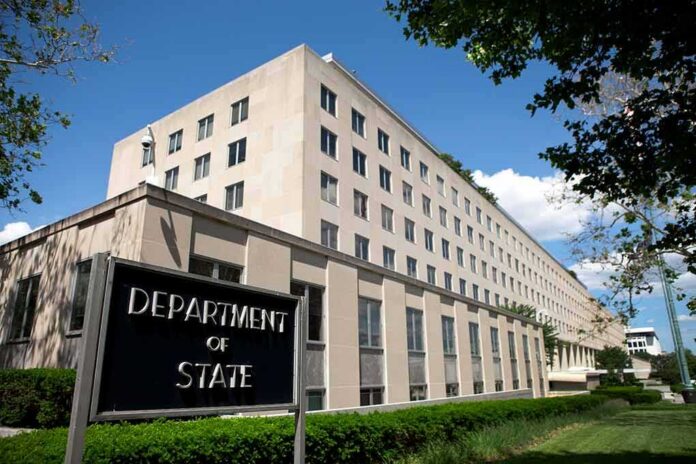
The State Department released a 100-page report on July 20, 2026, describing a sustained Cuban campaign against the United States that spans nearly seven decades. The document, titled “Cuba: The Capital of 21st Century Communism,” frames Havana as running espionage and influence operations targeting American institutions and public life. The report claims Cuban intelligence placed assets or influence at senior levels inside the State Department, the National Security Council, and the Pentagon, intensifying concern about policy exposure and national security risk.
Officials say the report pulls together many strands into one public record, offering a government-backed synthesis rather than isolated anecdotes. A State Department spokesperson said the findings show decades of Cuban intelligence activity and tie parts of today’s far-left extremism and terrorism in the United States to that network. The report’s release under President Trump’s administration signals a tougher line on counterintelligence and a demand for accountability in agencies that faced past lapses, including during earlier administrations that downplayed communist threats.
Spy Cases Cited as Evidence of Penetration
The report highlights several convicted or exposed spies with direct links to Cuba as examples of long-term penetration. Named figures include former U.S. Ambassador Victor Manuel Rocha, Defense Intelligence Agency analyst Ana Belén Montes, and former State Department analyst Walter Kendall Myers. These cases show how Cuban intelligence recruited Americans who then fed secrets and shaped analysis from inside key agencies. The documented betrayals explain why the report warns that infiltration reached the upper levels of government policymaking.
Past spy cases carry lessons for the present. The record shows Cuban services excel at spotting, recruiting, and managing long-term agents who blend into elite institutions. That history supports the report’s central claim that Cuba’s operations mixed classic espionage with influence campaigns to soften targets, build sympathizers, and confuse watchdogs. When top analysts or senior diplomats go rogue, policy, military planning, and diplomacy all suffer. That harm lands on American families when bad calls ripple into wars, weak borders, and higher costs at home.
Campus and Activist Influence Allegations, and What We Can Verify
The State Department says Cuba cultivated activists, built ties with universities and advocacy groups, and made campus infiltration a priority. Coverage describes links to solidarity groups and academic programs that, over time, helped normalize pro-Havana narratives. Officials argue this network aided the growth of far-left agitation and helped justify street unrest that Americans have seen on campuses and in cities in recent years. These claims speak to a broader pattern conservatives have warned about for years.
Some outlets note that parts of the public record remain limited. Reports say the document compiles known facts and includes strong claims, but does not make all evidence public, which narrows independent review. Critics argue some activist ties rely on association more than direct proof of control, and they say the report mixes Cold War cases with modern politics. That pushback does not erase the proven spy cases, but it shows where more transparency—like declassifying annexes—could strengthen confidence and guide next steps.
Why This Matters for Security, Faith in Institutions, and American Families
Americans expect secure borders, honest government, and schools that teach, not indoctrinate. If a hostile regime worked for decades to shape policy and campus opinion, then bad decisions on energy, crime, spending, and foreign affairs were not accidents. They were the results of pressure and influence that steered elites away from common-sense American priorities. The report places that threat on the record and challenges leaders to tighten vetting, protect whistleblowers, and defend the Constitution against foreign subversion.
Cuba spent decades waging a covert campaign to infiltrate the United States through espionage and ideological influence, according to a new State Department report that calls Havana the "capital of 21st century communism."
INFILTRATION FROM WITHIN! pic.twitter.com/C3d0Nsikbk
— AXEL VASA (@Football7222) July 22, 2026
Conservatives should press for action that is tough and careful. Congress can seek sworn testimony from the report’s authors, request declassification of source notes where safe, and audit past spy cases to separate proven facts from inference. Universities should disclose foreign ties and funding. Agencies must improve insider-threat programs, background checks, and accountability for past failures. President Trump’s team has put the warning in public view; now the country must secure its house with firm, lawful steps that protect liberty while exposing foreign influence.
Sources:
military.com, theguardian.com, notthebee.com, theepochtimes.com, ibtimes.co.uk