Taiwan’s president told his party to stand firm against China’s “red terror,” and declared Taiwan already a sovereign nation under the Republic of China.
Story Snapshot
- President Lai Ching-te said Taiwan is already independent under the Republic of China and not subordinate to Beijing.
- Lai urged his Democratic Progressive Party to resist China’s “red terror,” citing pressure and threats from the mainland.
- Official speeches and party texts repeat this long-held stance to defend self-rule and democracy.
- China maintains its “One China” claim and rejects Taiwan’s position, keeping tensions high.
Lai Reaffirms Taiwan’s Sovereignty Under the Republic of China
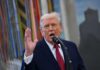
President Lai Ching-te told party members in Taipei that Taiwan is already an independent country under the name Republic of China, and not subordinate to the People’s Republic of China. He urged unity to protect democracy and resist what he called Beijing’s “red terror,” a phrase he linked to pressure campaigns and threats from the mainland. His message matched past remarks and formal party language that stress self-rule, free elections, and a distinct system under the Republic of China framework.
Party materials and prior addresses repeat the view that Taiwan does not need to declare independence because it already governs itself. Lai’s earlier speeches cited elections, territory, and citizens as signs of a functioning sovereign state. The Democratic Progressive Party uses this to rally support at key moments while signaling caution to avoid sudden changes to the status quo. The theme is steady: protect democracy, defend autonomy, and keep the Republic of China structure intact.
Beijing’s “One China” Push Keeps Pressure High
The People’s Republic of China insists there is one China and views Taiwan as part of its territory to be unified, by force if needed. That stance drives diplomatic pressure and military drills near the island. Analysts note that this clash—Taiwan’s claim of de facto independence versus Beijing’s legal claim—has endured for decades without a clear legal fix. It resurfaces at every major political moment in Taiwan and keeps the region tense and alert.
Public remarks from Lai’s government aim to counter Beijing’s narrative and shore up international support. Officials frame Taiwan’s position as a defense of democracy against authoritarian reach. They highlight elections, civil liberties, and stable self-government. While Beijing rejects those claims, the back-and-forth has become routine. It shapes trade risks, supply chains, and regional security planning, especially as great-power rivalry tests alliances and deterrence in the Indo-Pacific.
Why This Matters for American Readers and U.S. Interests
U.S. conservatives care because Taiwan stands on the front line against communist coercion. China’s model relies on state control, censorship, and military intimidation. Taiwan’s model relies on free elections, markets, and rule of law. When Taiwan’s president warns about “red terror,” he points to tactics Americans know well: propaganda, pressure, and attempts to bully neighbors. A free Taiwan helps block authoritarian expansion and protects vital sea lanes and technology hubs.
Taiwan must work together to protect its democracy and not become part of China, President Lai Ching-te said on Sunday, calling on members of his Democratic Progressive Party (DPP) to oppose the "red terror" coming from Beijing.#China #ChinaPoliticshttps://t.co/r4w9iNBKIY
— chinaspotlight (@chinaspotlight1) July 19, 2026
United States policy has long aimed to preserve peace and stability across the Taiwan Strait. Clear support for self-rule, strong deterrence, and closer trade ties all serve that goal. Many on the right see this as common sense: stand with a democracy, keep communism in check, and protect supply chains that power American jobs and national defense. As Lai repeats that Taiwan is already sovereign under the Republic of China, the test for the free world is simple—match words with steady, real support.
Sources:
youtube.com, reuters.com, english.president.gov.tw, pf.org.tw, hkiaps.cuhk.edu.hk