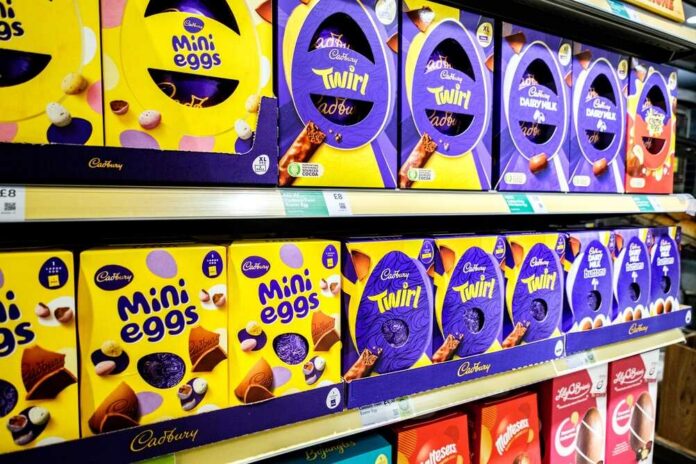
British families are getting hit twice this Easter as major chocolate brands like Mars, Nestlé, and Terry’s simultaneously shrink product sizes while jacking up prices by as much as 50%—a classic corporate sleight-of-hand that leaves hardworking consumers paying more for less while manufacturers blame “unavoidable” cost pressures.
Story Snapshot
- Easter eggs from leading brands have shrunk in size while prices surged up to 56% per 100g year-over-year, creating a “shrinkflation double whammy” for shoppers.
- Chocolate inflation hit 16.5%—nearly four times the overall supermarket food inflation rate of 4.4%—driven by global cocoa shortages and soaring input costs.
- Consumer watchdog Which? tracked prices across eight UK supermarkets, finding Terry’s mini eggs dropped from 80g to 70g while rising from 99p to £1.35 at Lidl.
- Cadbury Mini Eggs sparked social media outrage after shrinking 7.5% since 2019 while prices doubled to £2.36, with shoppers calling it “disgraceful” profiteering.
Manufacturers Deploy Shrinkflation Tactics Amid Rising Costs
Which? research reveals major chocolate manufacturers have resorted to reducing Easter egg sizes while simultaneously raising prices, leaving British families bearing the brunt of what amounts to a double tax on holiday traditions. Terry’s mini eggs exemplify this troubling trend, shrinking from 80 grams to 70 grams at Lidl while the price climbed from 99 pence to £1.35—a staggering 56% increase per 100 grams. Similar patterns emerged across popular brands, with Twix Easter eggs dropping from 316 grams to 258 grams at Tesco while prices rose from £5 to £6. These tactics represent a calculated response to cost pressures that ultimately punishes consumers who trusted these household names.
Chocolate Prices Surge Far Beyond General Food Inflation
The chocolate category experienced inflation of 16.5% during the tracking period from December 2024 to February 2025, dwarfing the overall supermarket food inflation rate of 4.4%. This disparity stems from global cocoa production shortages that pushed wholesale costs to record highs, compounded by elevated dairy, energy, and transport expenses. Food and non-alcoholic beverage prices have climbed 37% since August 2020, reflecting the cumulative impact of Covid-19 supply chain disruptions, Brexit-related complications, and the Ukraine conflict. Lower-income families face the harshest burden from these compounding pressures, which erode purchasing power precisely when household budgets remain squeezed from years of economic instability.
Cadbury Faces Consumer Backlash Over Mini Eggs Changes
Cadbury Mini Eggs became a flashpoint for consumer frustration after the product shrank 7.5% from 80 grams to 74 grams since 2019 while prices more than doubled, rising 105% to £2.36. Social media erupted with complaints about the changes, with shoppers on X declaring “this country is a disgrace” over £2.15 packets that deliver less candy than before. Cadbury defended the adjustments by citing “significant input costs” and claimed weight reductions were necessary “to continue providing brands without compromising quality.” This corporate explanation rings hollow to families who see through the rhetoric and recognize profit protection taking precedence over consumer value and transparency.
Which? conducted its analysis by tracking three-month average prices across eight major UK supermarkets—Aldi, Asda, Lidl, Morrisons, Ocado, Sainsbury’s, Tesco, and Waitrose—covering 20 food and drink categories. The consumer watchdog’s methodology weights data according to supermarket market share and sales volume, providing authoritative insights into pricing trends. Their findings revealed varied inflation rates among retailers, with Sainsbury’s leading at 5.6%, Tesco at 5.3%, and Waitrose lowest at 1.8%. Discounters like Aldi and Lidl have gained market share as budget-conscious consumers shift away from traditional big-four grocers, rewarding retailers that demonstrate restraint on pricing.
Corporate Cost Pressures Don’t Justify Consumer Deception
Manufacturers frame shrinkflation as a “last resort” to absorb rising input costs while preserving product quality and taste, but this narrative obscures a fundamental breakdown of corporate accountability to consumers. Global cocoa shortages, elevated energy expenses, and supply chain complications represent genuine business challenges, yet the solution should not involve quietly reducing product sizes while maintaining or increasing prices. This approach undermines consumer trust and demonstrates contempt for families trying to maintain traditions like Easter celebrations amid already difficult economic circumstances. The House of Commons Library documented that pandemic disruptions, Brexit complications, the Ukraine conflict, and global economic weakness all contributed to the 37% food price surge since 2020—yet transparency about these challenges should accompany any product changes, not corporate obfuscation.
The broader chocolate sector now faces declining consumption as elevated prices and shrinkflation drive customers away from products they once enjoyed regularly. Industry analysis indicates that sustained high cocoa costs may normalize shrinkflation and recipe modifications across confectionery categories, fundamentally altering the market landscape. Which? urges shoppers to compare price per 100 grams when purchasing Easter eggs, empowering consumers to make informed decisions despite manufacturer attempts to obscure true value. This practical advice represents common sense guidance that respects consumer intelligence—something major brands should emulate rather than deploying deceptive tactics that prioritize short-term profits over long-term customer relationships and brand integrity.
Sources:
Is your chocolate Easter egg smaller than last year? – Which? News
UK branded a ‘disgrace’ by angry shoppers over Cadbury Mini Eggs shrinkflation – Food Manufacture
The hunt for growth: Easter trends 2026 – The Grocer