
One Truth Social warning from President Trump was enough to shove Brent crude above $70—reminding Americans how fast Middle East brinkmanship can hit family budgets.
Story Snapshot
- Brent crude jumped more than 2% on Jan. 29, 2026, briefly topping $70 a barrel as markets priced in higher Iran-related supply risk.
- The move followed President Trump’s Jan. 28 message urging Iran to negotiate a “NO NUCLEAR WEAPONS” deal and warning future attacks would be “far worse.”
- Iran produces about 3.2 million barrels per day, and any disruption tied to the Strait of Hormuz can ripple through global energy and inflation.
- Analysts cited a roughly $3–$4 per barrel “geopolitical premium,” with higher prices possible if tensions escalate.
Oil Markets React to Trump’s Iran Warning
Brent crude futures surged to a four-month high on Jan. 29, 2026, trading above $70 a barrel after reports highlighted sharper U.S.-Iran tensions tied to Iran’s nuclear program. Prices later hovered just under or around $70, while U.S. benchmark WTI climbed into the mid-$64 range. The price jump arrived even as other supply stories—such as recovery from outages in Kazakhstan and restarted U.S. production—would normally cool markets.
President Trump’s message on Jan. 28 set the tone: he urged Iran to return to negotiations and emphasized “NO NUCLEAR WEAPONS,” while warning that any future attack would bring a harsher response. Reports also described U.S. naval positioning in the region, a reminder that energy traders don’t wait for missiles to fly before they hedge risk. Markets often move first on perceived probability, then adjust if diplomacy calms tensions.
Watch: https://youtu.be/407GSocCN9Q?si=zpw9wTG9qLaqSAFK
Why Iran and Hormuz Still Matter to Your Gas Bill
Iran’s oil output is a key reason this story matters beyond Washington and Tehran. Multiple reports place Iranian production around 3.2 million barrels per day, making it a significant OPEC producer. The bigger vulnerability is geography: the Strait of Hormuz is a choke point for a large share of global oil flows, and any threat to shipping tends to add an immediate risk premium. When that premium rises, consumers often feel it quickly.
That dynamic helps explain why crude can spike even when analysts also talk about oversupply later in the year. In January, crude prices were already up more than 10% amid a mix of disruptions and fears—from storms affecting U.S. output to issues at Kazakhstan’s Tengiz field—before the Iran headlines intensified. When layered risks hit at once, traders tend to pay up for barrels today, regardless of what a longer-term “glut” forecast might say.
What Experts Say the “Geopolitical Premium” Looks Like
Analyst commentary centered on a defined “war-risk” markup rather than a fundamental collapse in supply. One major bank estimate put the current geopolitical premium around $3–$4 a barrel, while another market voice warned that open conflict could remove millions of barrels per day and disrupt tanker traffic. Those are scenarios—not certainties—and the reporting also emphasized that no strikes had occurred as of Jan. 29. The market reaction, however, shows traders are unwilling to dismiss the risk.
Economic Stakes: Inflation Sensitivity Returns in 2026
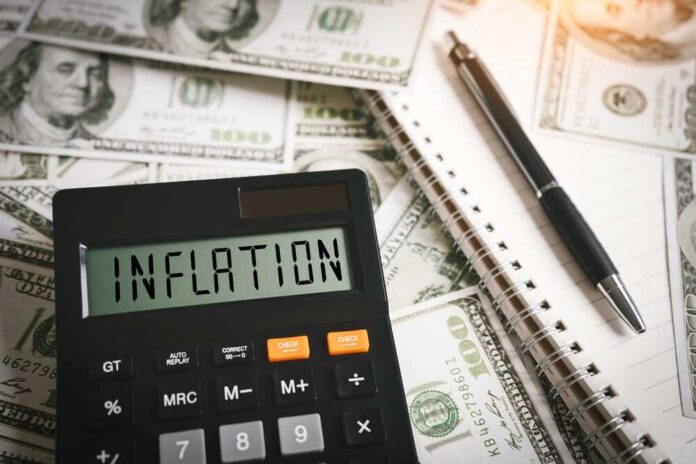
Higher crude prices can feed straight into inflation expectations, which is why this story lands differently after years of Americans feeling squeezed. Reports noted supportive demand conditions, including steady Federal Reserve rates in the 3.5%–3.75% range and a weaker U.S. dollar that often lifts commodity prices. In plain terms, when oil rises at the same time as other costs remain elevated, households and small businesses have less room to absorb shocks—especially in transportation-heavy sectors.
#Brent #oil price tops $70 on #Trump's #Iran threats#ETMarkets https://t.co/oyuflixB4M
— ETMarkets (@ETMarkets) January 29, 2026
Diplomacy remains the key off-ramp, and reporting included Iran’s foreign minister signaling openness to a deal that guarantees peaceful nuclear technology while also warning of a forceful response to any attack. That leaves markets suspended between two realities: a negotiating window that could cool prices, and a military posture that keeps the risk premium alive. For Americans watching the cost of living, the immediate takeaway is simple—foreign policy and energy policy are inseparable when the world’s chokepoints are involved.
Sources:
Brent Climbs Above $70 Amid Soaring Iran-US Tensions
Brent tops $70 on Trump’s Iran threats
Oil gains as US threats against Iran raise fears of supply disruptions
Gold surges further, oil jumps on Trump’s Iran threat