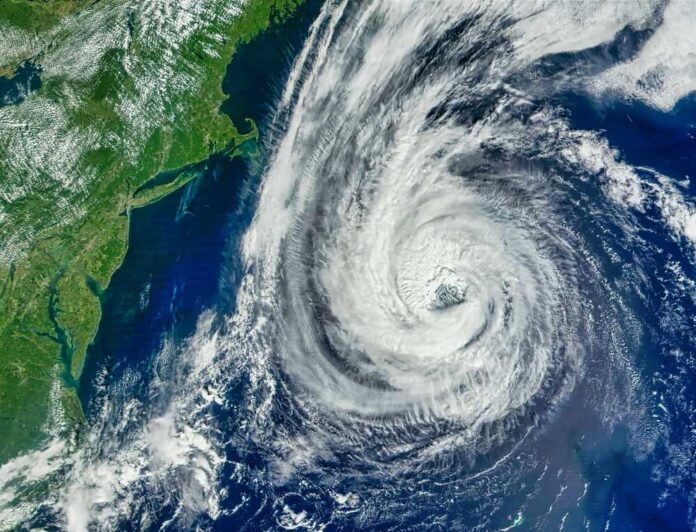
As Hurricane Erin surges back to Category 4 strength, coastal communities face volatile conditions while emergency responses test preparedness amid intensifying threats.
Story Snapshot
- Hurricane Erin restrengthens after an eyewall cycle, posing major risks despite staying offshore.
- Mandatory evacuations enacted in the Outer Banks as flash flooding and dangerous surf expand.
- The storm’s growing wind field could disrupt travel, erode beaches, and impact local economies.
- Authorities and meteorologists warn of indirect hazards, emphasizing public safety and preparedness.
Erin’s Meteorological Shift: Category 4 Power Returns
Hurricane Erin, the first major storm of the 2025 Atlantic season, has rapidly regained Category 4 intensity following a completed eyewall replacement cycle north of the Dominican Republic. This process not only restored Erin’s strength but also broadened its wind field, creating hazardous conditions far beyond the immediate track. The National Hurricane Center reports sustained winds of 130 mph as the system moves west-northwest. Though the eye is forecast to remain offshore, the expanding radius means indirect impacts—such as high surf and rip currents—are expected across the Bahamas, Bermuda, the U.S. East Coast, and Atlantic Canada.
"Hurricane Erin Expected To Restrengthen After Downgrading To Category 3" on SmartNews: https://t.co/9jQrbyJVxV #SmartNews
— Michael Drysch (@HalfCourtMikeD) August 17, 2025
Historically, eyewall replacement cycles in intense hurricanes signal increased risk for coastal communities. Despite the storm’s offshore path, local governments are on high alert, recalling previous incidents like Hurricane Dorian and Florence, which delivered destructive surf and flooding without direct landfall. Current advisories include flash flood warnings for Puerto Rico and the Virgin Islands, with significant rainfall totals causing landslides and infrastructure strain. Meteorologists note improved consensus in forecast models, narrowing uncertainty about Erin’s trajectory and enabling more decisive emergency responses.
Watch: Erin re-intensifies into a category 4 hurricane after completing an eyewall replacement cycle
Emergency Response and Community Impact
Authorities have issued mandatory evacuations for Hatteras Island in North Carolina’s Outer Banks, anticipating substantial coastal flooding and dangerous surf. The storm’s indirect hazards—ranging from rip currents to flash floods—present challenges to emergency management, especially as residents and businesses brace for disruption. Travel, tourism, and local economies are already feeling the strain, with closures and damage expected along vulnerable coastlines. Emergency services are mobilizing to protect lives and assets, emphasizing compliance with evacuation orders and preparedness measures to minimize risk.
Short-term impacts include widespread beach erosion, infrastructure damage, and economic losses from business interruptions. In the long term, sustained high surf may reshape coastal landscapes and affect recovery efforts, underscoring the importance of strategic planning and resilient infrastructure. The heightened visibility of meteorologists and media outlets in public safety communication is crucial as communities look for reliable information and guidance.
Risk Assessment and Future Preparedness
Broader consequences include increased scrutiny of emergency preparedness and response effectiveness. Political leaders face pressure to ensure adequate infrastructure and resources to protect communities. The storm also serves as a reminder that indirect threats—from flooding to economic disruption—require the same level of attention as direct impacts, demanding coordinated efforts across agencies and sectors. As Hurricane Erin continues its offshore journey, ongoing monitoring and swift action remain imperative to safeguard lives, property, and the integrity of affected regions.
Sources:
Zoom Earth (live tracking and satellite imagery)
CBS News (NHC updates and forecast analysis)
ABC News (storm status and impacts)
WTKR (regional impacts and evacuation orders)