The Trump administration has launched “Operation Economic Outcast,” a sweeping sanctions surge meant to choke Iran’s cash flows and block its path to the bomb, despite Tehran’s bluster that it will not bend.
Story Highlights
- Treasury unveiled an unprecedented, whole-of-government economic campaign on Iran at President Trump’s direction.
- New sanctions hit oil shipping, insurance, weapons procurement networks, and financiers tied to the regime.
- Iran’s top diplomat mocked the effort, but Washington warned partners of secondary sanctions risk.
- United Nations nuclear watchdog reporting shows limited change in Iran’s program, underscoring why pressure is intensifying.
What Treasury Announced And Why It Matters
The United States Department of the Treasury said it launched “Operation Economic Outcast” at President Trump’s direction, calling it an unprecedented, whole-of-government campaign against Iran and its enablers. Officials described a tougher phase that targets the regime’s money pipelines. The campaign aims to raise costs on Tehran’s oil sales, arms networks, and sanctions-evasion fleets. The message to friends and foes is simple: do business with Iran’s terror state, and you risk losing access to U.S. markets and finance.
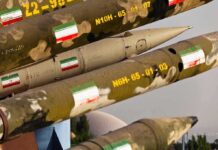
Reuters reporting detailed new designations this year against entities moving oil, financing Iran’s leadership circle, and aiding weapons output. Treasury actions also reached shippers, tankers, and insurers involved in monetizing the Strait of Hormuz, a vital waterway Iran has threatened. Earlier measures hit firms supplying components for missiles and drones after attacks in the region. Together, these steps seek to starve the regime of hard currency that funds nuclear work, militias, and regional aggression.
Iran Pushes Back As Pressure Builds
Iran’s foreign minister, Abbas Araghchi, dismissed the campaign as “desperation” and vowed it would fail, repeating that Tehran will not negotiate under threats. Tehran’s line is familiar: claim legality, deny illicit aims, and promise retaliation. But American policy does not hinge on Iran’s talking points. Washington is broadening secondary sanctions exposure and signaling that banks, traders, and insurers face real penalties if they help Tehran dodge pressure. That warning puts the spotlight on global partners tempted by cheap barrels or quick profit.
Iran also denies discussing limits with the United States and has not agreed to invite inspectors back, according to coverage of recent talks. Meanwhile, the United Nations nuclear watchdog pressed Iran to allow full inspections and flagged concerns about enriched uranium at an underground site tied to Isfahan. These facts help explain the policy shift. When inspectors are blocked and enrichment advances, the United States leans on the tools it controls most: finance, shipping, and access to the dollar.
Measuring Impact And The Stakes For U.S. Security
The International Atomic Energy Agency’s recent assessment showed little change in Iran’s nuclear trajectory over several months, even as fighting and pressure rose. That snapshot does not mean pressure is pointless. It means the task is hard, and the regime is stubborn. The aim is to raise costs and close evasion routes until Tehran faces a clear choice: keep defying and go broke, or curb the program and get relief. Sanctions bite slower than bombs, but they bite longer.
🚨🇺🇸🇮🇷 BREAKING: White House Press Secretary Karoline Leavitt says “no negotiations are happening right now” between the United States and Iran.
She said talks will remain off the table until President Trump believes Tehran is ready to engage “in a meaningful way.” Washington…
— Peace Maker (@princezar) August 27, 2026
For American readers, the stakes are basic. A richer Iran buys more drones, funds more militias, and threatens more tankers. A poorer Iran has less room to arm proxies or sprint for a weapon. President Trump’s team is using America’s financial strength to defend our troops, our allies, and our energy lifelines without new large-scale wars. That approach matches conservative priorities: strong borders, strong deterrence, and no blank checks for regimes that chant “Death to America.”
What To Watch Next
Watch how insurers, banks, and shippers respond to secondary sanctions risk. If coverage dries up for Iran’s “shadow fleet,” exports fall, revenue shrinks, and the regime feels real pain. Watch whether partners in Europe and Asia tighten compliance or look for loopholes. Watch the nuclear file. If Iran opens sites to inspectors and slows enrichment, pressure is working. If not, expect Washington to widen the target set and raise penalties. Persistence and unity will decide the outcome.
Sources:
facebook.com, home.treasury.gov, reuters.com, fdd.org, aljazeera.com