Iranian supertankers just sailed past the U.S. blockade line as secretive peace terms kick in, raising big questions about leverage, oil, and trust.
Story Snapshot
- Two Iranian supertankers exited the blockade line carrying 3.8 million barrels.
- President Trump ordered the toll-free opening of the strait and lifted the blockade.
- A signed framework allows Iranian oil sales while final talks start this week.
- Deal text remains undisclosed, worrying allies and markets.
Tankers Move As Enforcement Eases
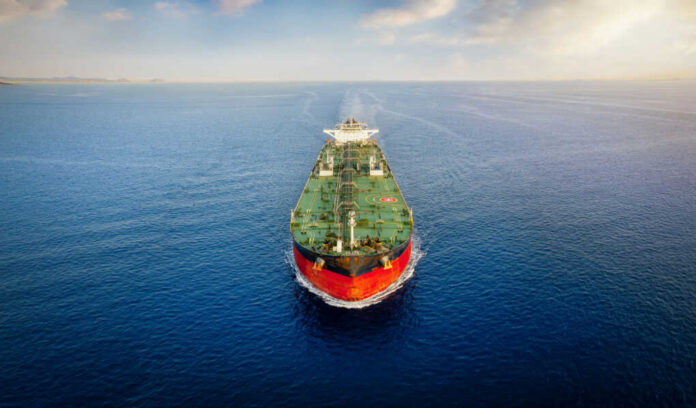
Tracking data showed two National Iranian Tanker Company ships, the Diona and Hero 2, exiting the United States Navy blockade line on June 16. The vessels carried a combined 3.8 million barrels of crude oil, marking Iran’s first crude exports in two months, according to shipping monitors who cited satellite imagery for confirmation [3]. Reports added that a third tanker later left the zone, signaling a real, if limited, restart of Iran’s oil flow during a tense pause in the conflict ahead of planned talks [1].
Global outlets tied the tanker moves to a wider diplomatic track now unfolding. The initial resumption of oil exports aligned with a framework that paused hostilities and reopened a path to talks. Markets reacted as signals of de-escalation mixed with doubts about durability. Observers warned that ships moving once does not prove an open lane for long. Shipping insurers and carriers will still weigh risk, sanctions, and changing guidance day by day [4].
White House Orders And Signed Framework
President Donald Trump announced the toll-free opening of the Strait of Hormuz and the immediate removal of the United States naval blockade in a June 14 post. A senior official said the framework was electronically signed by President Trump, Vice President JD Vance, and Iranian negotiators, including a sanctions waiver that took effect upon signing [6]. The Wall Street Journal reported that the arrangement will allow Iranian oil and fuel sales with banking, transport, and insurance coverage to resume under the deal’s terms [2].
Iran’s foreign minister said final agreement talks will begin Friday, June 19, at Burgenstock, Switzerland, underscoring how fast the calendar is moving. That timeline matters for energy supply and price relief. Cheaper oil helps American families and small businesses. But any relief depends on steady shipments and clear rules. If terms change or the clock runs out, prices can swing back up and hit wallets again. That risk remains front and center for consumers and shippers [4].
Fog Of Terms, Friction With Allies, And Open Risks
The memorandum text is still not public. That secrecy has angered Group of Seven partners who want clarity on sanctions, shipping rules, and nuclear limits. Reports said Iranian media hinted at possible navigation fees after a ceasefire, clashing with United States calls for toll-free passage. Analysts stressed that damaged infrastructure could delay full reopening, and that only a fraction of Iran’s frozen money may be accessible for limited goods, not cash, which narrows the immediate impact [1].
Regional politics add pressure. Israeli Prime Minister Benjamin Netanyahu opposes the deal, and strikes on terrorist proxies could continue, while Washington and Tehran try to lock down terms. Markets see a 60-day negotiation window as tight and likely to slip. Oil fell on the headlines, but traders warned that swings can reverse if talks stall or violence flares. The path to a stable corridor runs through verifiable steps that reduce risk at sea and on land [6].
What Conservatives Should Watch Next
Americans should expect debate over leverage. The United States just gave Iran room to sell oil again. Supporters argue this lowers prices and reduces tension. Critics warn it rewards a hostile regime without ironclad nuclear limits. The answer lies in the fine print. Treasury’s sanctions guidance, shipping insurer greenlights, and a public release of the full memorandum would show if Washington kept pressure where it counts, or traded it away too soon [2].
🚨 Iranian oil tankers have exited U.S. blockade zones as Washington and Tehran prepare for diplomatic talks aimed at ending their conflict and lifting energy sanctions.
📩 Subscribe: https://t.co/2ZeNJWagCf
— Atlas360 (@AtlasNewsen) June 17, 2026
Three items deserve fast verification. First, publish the signed memorandum so allies and Congress can judge the trade-offs. Second, release the official sanctions waiver list to confirm which banks, shippers, and insurers are cleared. Third, set milestones for talks at Burgenstock, with snapback triggers if Iran backslides. Clear, public terms protect U.S. credibility, support lawful trade, and deter bad actors. Sunlight keeps our energy lifeline open without giving up core security goals [1].
Sources:
[1] Web – Iranian tankers exit US blockade zone ahead of peace talks
[2] Web – Iranian tankers exit US blockade zone ahead of peace talks
[3] Web – Iran says talks on final US deal to begin this week
[4] Web – Iranian tankers exit US blockade zone before talks to end war
[6] Web – Iranian tankers exit US blockade zone ahead of talks