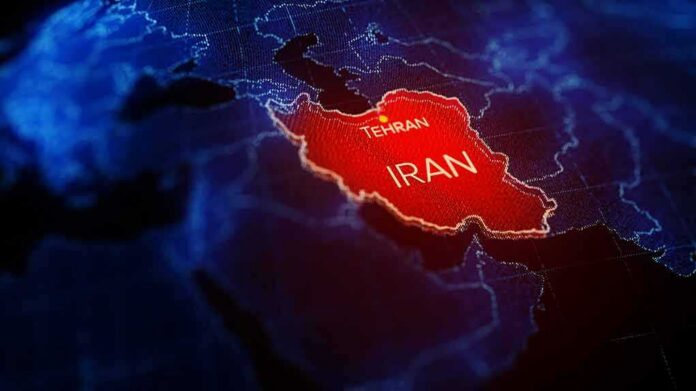
Treasury Secretary Scott Bessent said the United States has shifted to an “absolute isolation” campaign against Iran—and it is underway now.
Story Highlights
- Treasury chief outlines an “absolute isolation” strategy targeting Iran’s economy.
- President Trump urges all nations at the United Nations to enforce complete isolation.
- U.S. coordinating with regional partners to choke off land and transport routes.
- Plan targets oil revenue, foreign finance, and elite travel; crypto seizures are expected.
Bessent Defines Shift From Pressure To “Absolute Isolation”
Treasury Secretary Scott Bessent said the Trump administration moved from “maximum pressure” to “absolute isolation” on Iran. He said the approach is working and aims to force Tehran to choose between rejoining the global economy or facing a subsistence life cut off from markets. He described a campaign that reaches beyond bank sanctions to trade and travel limits that squeeze the regime’s cash and freedom of movement.
Bessent said the United States is targeting key arteries that still carry money to Tehran. He pointed to oil revenue, overseas financial access, and transport routes. He also said the plan reduces access for Iranian officials to foreign assets, travel, and major financial centers that once served them. The goal, he said, is not symbolic pressure. It is to close doors that fund nuclear work, terror proxies, and threats to commercial shipping.
Trump Rallies Nations At The United Nations
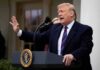
President Trump used his address at the United Nations to call on every country to help enforce “complete economic isolation” of Iran. He framed the stakes as a choice for Tehran: end support for terror, stop attacks on shipping, and abandon nuclear ambitions, or remain cut off. The speech raised the effort from an agency plan to a presidential directive in front of the world, signaling clear policy and intent from Washington.
The White House message matches a core conservative view: peace through strength. Washington seeks to block the cash that fuels Iran’s regional aggression. By using trade, finance, and travel controls, the policy offers force without firing a shot. The president pushed partners to act with America rather than free-ride. He also tied relief to behavior, not promises, keeping the leverage where it belongs—on results, not words.
Choking Off Land Routes And Shadow Commerce
Bessent said the United States is working with Pakistan and Turkey to cut off overland routes and cited the United Arab Emirates and Oman as partners. These corridors have long helped Iran move goods and money across borders. Tightening them raises the cost and risk for smugglers and front companies. It also disrupts how Iran moves sanctioned oil and parts through regional hubs toward Asian buyers via complex chains.
The plan also targets how Iranian elites move and hide wealth overseas. Bessent said senior figures would find it harder to tap banks, luxury services, and safe assets abroad. That pressure hits regime insiders where it hurts. When travel, medicine, schooling, and investments in Western centers become unreachable, insiders must choose: stay tied to the regime’s course or press for change at home.
Enforcement Tools: Oil, Finance, And Digital Money
Oil revenue remains Iran’s main lifeline. The United States is pushing buyers, insurers, and shippers to step back, and is raising the cost of doing business with Tehran. Bessent also described action against foreign exchange access and banking channels that touch Iran-linked payments. He added that the United States would probably seize about one billion dollars in Iran-linked cryptocurrency, signaling that evasion through digital wallets will face the same fate as dirty bank wires.
Sanctions often face workarounds, yet strong, steady enforcement can shift the math. Research on economic pressure shows mixed success across history, but higher rates when allied coalitions act together and tie relief to clear steps. The administration’s approach leans on that logic: starve the cash, close the routes, and offer a path back if Tehran changes course. That is a hard-nosed plan that favors American strength and security.
Sources:
facebook.com, media.un.org, news.un.org, iranintl.com, presidency.ucsb.edu, reuters.com, thedailystar.net