Iran’s president says Tehran will “immediately” match U.S. steps if Washington returns to the June ceasefire deal’s commitments, putting pressure on America’s resolve and security strategy.
Story Highlights
- Iran’s president vowed instant reciprocity if the United States restores June deal commitments.
- The June memorandum ended fighting but later collapsed amid mutual violation claims.
- Iran alleges U.S. breaches on sanctions and strikes; sources describe a fragile, ambiguous accord.
- Clear rules and verification are key if Washington seeks lasting calm without rewarding aggression.
What Tehran Just Promised, And Why It Matters
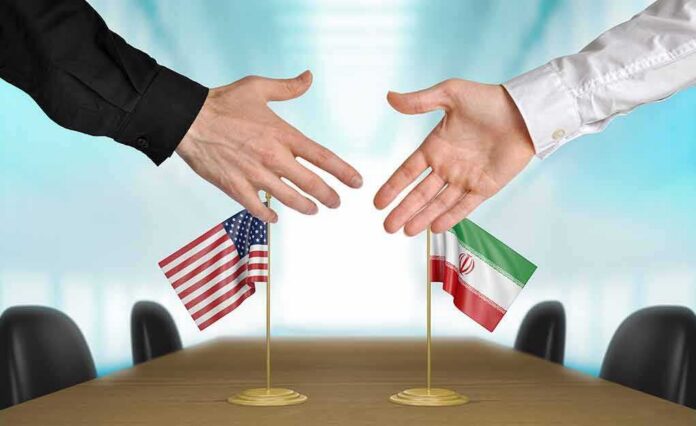
Iran’s President Masoud Pezeshkian said Iran will “immediately” reciprocate if the United States returns to its commitments under a June memorandum of understanding. Reuters reported his direct quote and the condition: U.S. compliance first, Iranian steps second. This statement puts the ball in Washington’s court. It also frames Iran as responsive, not conceding. The promise comes after the ceasefire framework frayed and then expired, with both sides accusing each other of violations for weeks.
President Trump’s team now faces a hard choice. Restore parts of a deal Iran says it wants, or hold the line until Tehran proves it will stop attacks and threats. The memorandum aimed to halt fighting and open talks. But sequencing was weak, and verification was thin. That gap gave room for blame and games. Analysts warned such deals break down when relief and restraint are not tightly synced, and when no joint compliance ledger exists to settle disputes fast.
How The June Memorandum Broke Down
After the signing, the ceasefire framework ran into trouble. Iran’s Foreign Ministry and allied outlets claimed U.S. sanctions actions and reported strikes violated key clauses. They argued this rendered the deal inoperative. Media summaries say both sides traded violation claims for weeks before the memorandum expired in August. These are Iranian accusations and secondary summaries, not U.S. admissions. Still, the back-and-forth shows the danger of fuzzy timelines and unclear triggers in high-stakes agreements.
The core flaw was ambiguity. The deal sought quick calm, but it left room for fights over “who moves first” and “what counts” as compliance. That is a recipe for breakdown when missiles, proxies, and oil cash are on the table. Experts describe such interim accords as fragile when they do not lock in firm verification, real penalties for cheating, and a shared record of actions. Without that spine, each side claims the high ground, and the public cannot judge fairly.
What “Immediate” Reciprocity Could Mean In Practice
Pezeshkian’s promise suggests Iran will mirror U.S. actions fast if Washington restores its part of the bargain. In plain terms, if the United States eases specific sanctions or pauses certain operations, Tehran says it will answer in kind right away. That sounds simple, but it only works if each step is clear, measured, and tracked. Vague trade-offs invite daylight cheating. A sound plan would define steps, timelines, and inspection points that both capitals accept in writing.
Tehran Ready for Nuclear Deal Compliance if US Honors Commitments: Pezeshkianhttps://t.co/XDlO3HfHqq
Read full update in Comment#IranUSRelations #Pezeshkian #TheCOWNews
— The COW News (@COWNewsOfficial) September 1, 2026
For America’s security, the non-negotiables are simple. First, do not reward aggression or hostage tactics. Second, do not let terror proxies or missile units hide behind paper deals. Third, insist on clear verification before major relief flows. A narrow de-escalation ladder could work if it ties any U.S. move to confirmed, sustained Iranian restraint. If Tehran wants relief, it must prove it on the ground, not just in speeches or state media clips.
Sources:
insiderpaper.com, news.cgtn.com, arabnews.com