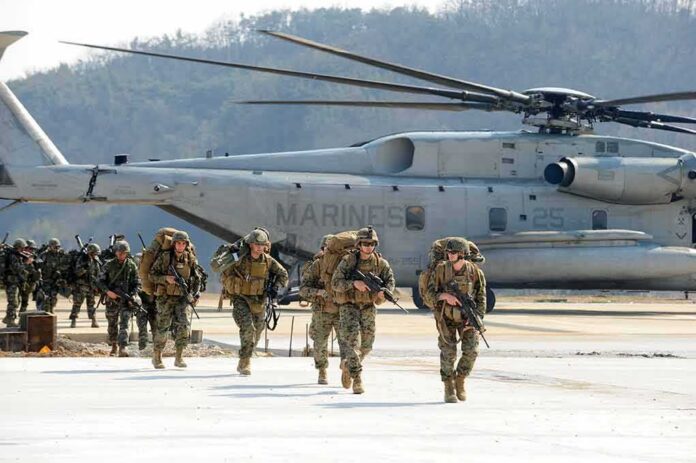
President Trump ordered a substantial cut to upcoming U.S.–South Korea military drills, citing high costs and the need to lower hostile signals to North Korea.
Story Highlights
- Trump directed the Pentagon to “substantially reduce” joint drills with South Korea.
- The president said the exercises are costly and send the wrong signal to Pyongyang.
- The order came on the eve of the Ulchi Freedom Shield exercise window.
- Planned scenarios included cyber, drone, and GPS-disruption training before the change.
Trump Issues Reduction Order And Explains Cost And Signaling Rationale
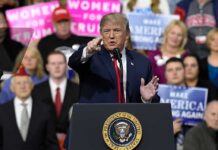
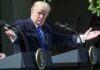
President Trump said he instructed Secretary of War Pete Hegseth to “substantially reduce” joint U.S.–South Korea military exercises. Trump tied the decision to cost and to concerns about sending a hostile signal to North Korea. He argued there was no reason to spend large sums on the drills and said large events can raise tensions. Reports quoted Trump’s public statement announcing the cut on August 16, one day before the exercises were set to begin.
Trump also said North Korean leader Kim Jong Un had behaved in a respectful and unthreatening way during his time in office. He framed the scale-back as a way to reduce friction while keeping America strong. The White House has used similar cost arguments in past years when large exercises were changed or paused. The president’s statement announced intent, but did not list exact components to cancel or the size of the cut.
Upcoming Ulchi Freedom Shield Drills And What Was Planned
Reuters reported that the annual Ulchi Freedom Shield drills were scheduled for August 17 through 27. South Korea planned to field about 18,000 troops. The training package included counter-drone, cyberattack, and GPS-jamming scenarios to match the threat from the North. U.S. and South Korean units were expected to practice live-fire precision strikes, wet gap crossings, and moving prepositioned gear to forward areas if needed.
North Korean state media had already denounced the planned drills in the days before Trump’s decision. Pyongyang often blasts the exercises as a rehearsal for invasion. That routine response shows why drill size and timing matter in the region. Bigger events can raise tensions, while tailored training can still keep troops ready. The alliance has often adjusted these events to balance readiness with diplomacy when talks are possible.
Known Facts Versus Unclear Scope Of The Reduction
News outlets reported Trump’s instruction to reduce the drills, the cost rationale, and the claim about hostile signals. The reports did not include a Pentagon execution memo or a U.S. Forces Korea notice detailing which events would be trimmed. The phrase “substantially reduce” did not list specific cuts, such as live-fire pieces or command-post elements. That means the headline decision is clear, while the exact scope and savings remain to be detailed by the Department of Defense.
US President Donald Trump announced the scaling back of annual military drills with South Korea, just a day before they were set to begin. Pyongyang has long condemned these exercises as invasion rehearsals, complicating the diplomatic landscape. #SouthKorea pic.twitter.com/apIQWRJqDK
— WW3 Watchtower (@WW3Watchtower) August 17, 2026
Exercise changes like this have precedents. In earlier years, large spring drills were ended or resized, while both militaries kept training in other formats. Analysts have argued that resizing, not canceling, can cut costs and lower tension while preserving key skills. They also note that modern scenarios like drones, cyber, and disrupted navigation can be trained in focused sets without massive troop movements, which can save money and reduce visible signals.
How The Move Fits Alliance Practice And Deterrence Goals
U.S.–South Korea drills serve two goals at once: they build real combat readiness, and they send messages to allies and adversaries. Changing their size or timing changes both effects. Research shows there is no single formula that always works; outcomes depend on context and execution. Smaller, smarter training can still keep forces sharp. Clear communication with Seoul and visible capability, even at lower cost, helps keep deterrence steady while avoiding needless spikes in tension.
The coming days will show how commanders implement the president’s order across the Ulchi Freedom Shield window. Officials can keep core tasks, like cyber defense and counter-drone drills, while scaling public-facing or high-cost events. That approach fits a conservative aim: strong defense, lean budgets, and smart signaling. Trump’s message sets that direction. Implementation details from the Pentagon will clarify the exact cuts and the savings for taxpayers.
Sources:
townhall.com, ksat.com, internazionale.it, reuters.com, pbs.org, axios.com, abcnews.com, scmp.com, bloomberg.com, 38north.org, military.com, cfr.org