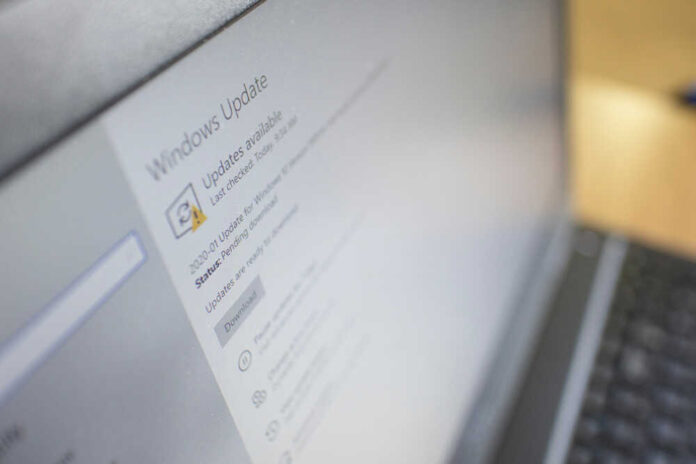
Microsoft ended an era and sparked a security scramble by releasing October’s Patch Tuesday update—its largest ever—fixing over 170 vulnerabilities and marking the last free shield for Windows 10 users.
Story Snapshot
- Microsoft’s October 2025 Patch Tuesday addressed 172–175 vulnerabilities, including six zero-days.
- This update is the final free security patch for Windows 10, leaving millions exposed unless they upgrade or pay for extended coverage.
- Two zero-days were already being exploited, prompting urgent action from cybersecurity agencies and enterprises.
- The removal of a legacy driver (Agere Modem) signals Microsoft’s push to shed obsolete hardware support.
October 2025: Patch Tuesday’s Massive Scope and Finality
Microsoft’s October 2025 Patch Tuesday delivered a record-breaking wave of fixes, addressing between 172 and 175 vulnerabilities across its product lineup. The update’s scope spanned Windows, Office, Azure, Exchange, and more, with the precise count differing slightly depending on whether non-Windows products were included. This month’s haul set a new high-water mark for 2025, eclipsing previous Patch Tuesdays and demanding the immediate attention of IT teams globally. The heightened urgency came not just from the volume, but from the nature of the risks: six zero-day flaws, two of which were already being actively exploited by threat actors, meant every hour of delay increased exposure.
Microsoft's October 'Patch Tuesday' Update Fixes Over 170 Flaws
That includes six zero-day vulnerabilities. https://t.co/neg8mK1G4N— TRONCAL Yannick (@ytroncal) October 15, 2025
Multiple vulnerabilities affected core Windows components, Office products, and cloud services. The presence of so many zero-days—vulnerabilities unknown to the vendor and unpatched at the time of discovery—prompted cybersecurity agencies like CISA to add the two actively exploited flaws (CVE-2025-24990 and CVE-2025-59230) to their catalog of known exploited vulnerabilities. Security vendors such as Tenable and Rapid7 sounded alarms, emphasizing the severe risk to businesses that delay updates. The update also quietly removed the venerable Agere Modem driver, instantly disabling fax modem functionality for users still clinging to legacy hardware.
Watch: Absolute Security Microsoft Patch Tuesday Guidance, October 2025
Windows 10’s Free Security Lifeline Ends
October 14, 2025, did not just mark a milestone for vulnerability counts—it was the day Microsoft officially ended free security support for Windows 10. While this transition had been telegraphed for years, millions of users and countless enterprises faced a stark choice: upgrade to Windows 11, pay for Extended Security Updates (ESU), or accept the mounting risks of running unsupported software. The end of support mirrors the Windows 7 sunset in 2020, which led to a predictable uptick in attacks targeting unpatched systems. For organizations and individuals relying on Windows 10, the clock started ticking louder: staying on the old OS now meant stepping onto the cyber frontlines without backup.
Active Exploits and the Relentless Threat Landscape
Satnam Narang of Tenable pointed out that, while Windows Remote Access Connection Manager had appeared in past updates, October marked its first outing as a zero-day target. The Zero Day Initiative and CrowdStrike both noted the unusually high number of severe vulnerabilities, underlining the relentless pace of discovery and exploitation. For defenders, the take-home was blunt: patching promptly is no longer just best practice, it’s an existential necessity.
Even as Microsoft and its partners moved to stem the immediate fallout, the broader cybersecurity community braced for the next phase. Attackers are opportunists, and unsupported systems make tempting prey. The industry’s consensus: organizations that fail to migrate or enroll in ESU will face a rising tide of attacks. The landscape is shifting, and complacency is no longer affordable.
Patch Management, Migration, and the Shape of Things to Come
Microsoft’s October 2025 Patch Tuesday is more than a technical bulletin—it’s a case study in the costs of technical debt and the economics of security. The short-term effect is clear: those who patch promptly are shielded from the latest threats, while laggards court disaster. The long-term implications are more sobering. Unsupported Windows 10 systems will become magnets for attackers, echoing the fate of past abandoned platforms. The removal of legacy drivers like Agere signals a tightening focus on modern, cloud-centric, and secure computing environments.
Sources: