America’s northern border is catching suspected terrorists at a pace the Homeland Security chief says is “almost weekly,” raising hard questions about how many slip through.
Story Snapshot
- Homeland Security Secretary Markwayne Mullin says arrests of suspected terrorists at the U.S.–Canada border happen “almost weekly.” [8]
- Federal records and past hearings describe terrorism encounters at the northern border as real but infrequent overall. [12]
- Media summaries show many watchlist hits occur at staffed crossings, while very few happen between checkpoints. [9]
- Trump’s team presses tighter enforcement while blue-city “sanctuary” policies draw federal pushback. [2]
Mullin’s Warning About Northern-Border Threat
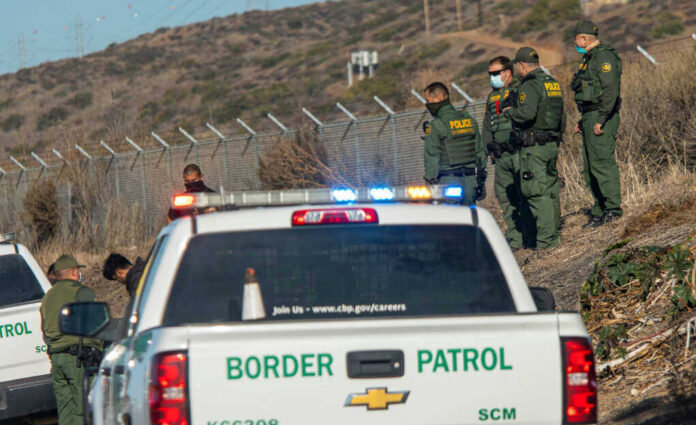
Homeland Security Secretary Markwayne Mullin said suspected terrorists are arrested at the U.S.–Canada line “almost weekly,” pointing to a steady flow of high-risk encounters his department must manage. The White House recently highlighted Mullin’s mandate to deliver on border security and enforcement priorities under President Donald Trump’s second term. The comment signals a tougher stance on the northern frontier long treated as low risk by many policymakers. Mullin’s on-record statement places ownership of the claim squarely on current leadership. [8]
Context from past federal hearings shows a different tone. A House record on the U.S.–Canada border described terrorism-related encounters as infrequent, even while warning about real vulnerabilities. That testimony emphasized transnational criminal groups and isolated extremists, not routine terror plots. The hearing material urged ongoing vigilance and cooperation but did not frame arrests as weekly events. This contrast underscores how leaders can emphasize risk differently based on new intelligence or policy aims. [12]
What The Data Suggests About Frequency And Location
Media tallies that cite government data show most watchlist encounters happen at ports of entry, where officers check travelers against databases. Reported figures for a recent year showed hundreds of watchlist hits at northern crossings, fewer at the southern ports, and only a small number between northern checkpoints. That gap matters. A watchlist hit at an inspection booth is not the same as catching someone sneaking across in the woods, and it does not always lead to a terrorism charge or prosecution. [9]
This difference between “arrest,” “encounter,” and “watchlist hit” drives public confusion. Agencies screen people, flag database matches, detain some, and refer others. Not every stop equals a terror arrest. Mullin’s phrase “suspected terrorists” could mean any of those categories. Without a full ledger listing date, place, charge, and outcome, outside observers cannot confirm a weekly arrest pace. The lack of a unified public dataset leaves room for doubt and spin on both sides of the debate. [12]
Policy Moves Targeting Gaps And Sanctuary Resistance
The Trump administration is pushing aggressive steps to close northern-border loopholes and redirect resources to hotspots. Mullin has weighed pulling federal personnel from sanctuary-city airports to support frontline enforcement where cooperation is stronger. Supporters argue local limits on federal work drain capacity and expose the public to risk. Critics warn such shifts could disrupt travel and face legal challenges. The policy friction shows how national security and big-city politics often collide. [2]
The bigger picture is a hardened posture born after the attacks of September 11. The border once sold as the “longest undefended” line is now a highly screened travel corridor. Both countries expanded surveillance, intelligence sharing, and inspections. That buildout made ports of entry the main chokepoint for catching flagged travelers. It also explains why many “terror suspect” contacts show up at staffed crossings, not in remote fields. The security state grew because the threat surface grew. [14]
What Conservatives Should Watch Next
First, demand clarity. Voters deserve a count that separates arrests, watchlist hits, and referrals, plus case outcomes. That will show whether Mullin’s “almost weekly” claim means arrests with charges or frequent database flags that do not end in prosecution. A clean ledger will help Congress direct resources to the places and tactics that work, from better vetting at ports to targeted patrols between them. Precision beats talking points when safety and liberty are at stake. [12]
🚨 The U.S. arrests a terrorist coming from Canada almost every week.
U.S. Homeland Security Secretary Markwayne Mullin (@SecMullinDHS) dropping truth bombs on Public Safety Minister @gary_srp .
Time to secure the border and put #CanadaFirst. https://t.co/n5EW8Tqn7i
— Barbara Bal (@BarbaraBalCPC) June 18, 2026
Second, back policies that restore order. Tighter coordination with Canadian partners, more screening tools at crossings, and stronger penalties for smugglers will raise the cost for bad actors. Push back on sanctuary rules that block federal cooperation and scatter resources. Hold agencies to the Constitution while insisting on results. The goal is simple and shared: stop real threats at the line, protect honest travel and trade, and keep families safe without government overreach. [2]
Sources:
[2] Web – Homeland Security Secretary Markwayne Mullin said the U.S. could …
[8] Web – Homeland Security Secretary Markwayne Mullin said customs …
[9] Web – Secretary Markwayne Mullin Is Ready to Deliver on President …
[12] Web – Encounters of suspected terrorists drop at Mexico border as Canada …
[14] Web – Drug Smuggling, Illegal Immigration and Terrorism – House.gov