
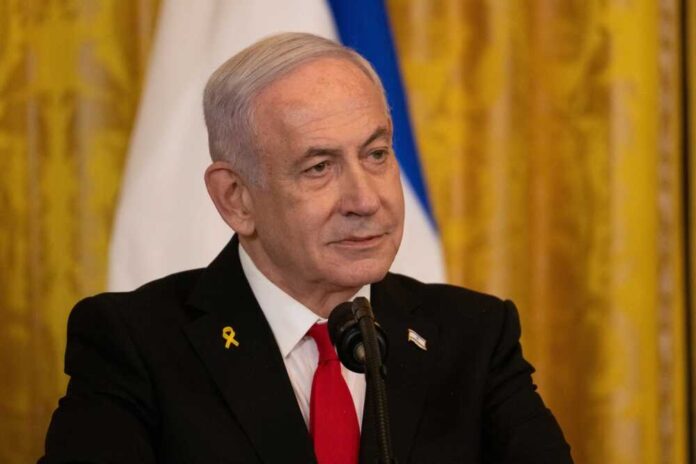
As Netanyahu meets with Trump in a bid to hammer out a ceasefire in Gaza, can their strategic partnership indeed serve as the linchpin to peace, or is this another diplomatic mirage?
At a Glance
- Israel and Hamas are engaging in indirect talks in Qatar to negotiate a ceasefire and a captive exchange deal in Gaza.
- The U.S.-backed proposal includes a 60-day ceasefire and Israeli troop withdrawals from Gaza.
- The main sticking point is Hamas demanding a full end to the conflict and Israel insisting on dismantling Hamas.
- Netanyahu aims to leverage his meeting with Trump to advance ceasefire efforts.
Current Diplomatic Efforts
Israel and Hamas are deep in indirect negotiations in Qatar, attempting to negotiate a ceasefire and captive exchange agreement in Gaza. The dialogue aims to establish a temporary truce, facilitating the release of captives in exchange for Palestinian prisoners. With ongoing conflicts resulting in massive loss of life and widespread suffering, this potential ceasefire emerges as a beacon of hope.
Watch: LIVE: Netanyahu Departs To U.S. As Trump Pushes For Israel-Hamas Cease-Fire
Sadly, the process is not without hurdles. The negotiations revolve primarily around the conclusion of the conflict. Hamas demands a full end to hostilities, while Israel adamantly insists on dismantling Hamas entirely, a non-negotiable for its leadership.
U.S. and Israeli Positions
Prime Minister Netanyahu’s visit to Washington extends beyond mere diplomacy; it is a critical milestone in pursuing peace.
#UPDATE Israeli Prime Minister Benjamin Netanyahu said Sunday that he hoped an upcoming meeting with US President Donald Trump could "help advance" a Gaza ceasefire deal, after sending negotiators to Doha for indirect talks with Hamas.https://t.co/A3vgufVPXu pic.twitter.com/A7i35RiqCz
— AFP News Agency (@AFP) July 6, 2025
Both Netanyahu and Trump believe their joint efforts can pave the way to peace. “Israeli Prime Minister Benjamin Netanyahu stated that he believes his upcoming visit with President Donald Trump will ‘certainly’ aid in the advancement of a ceasefire deal in Gaza.” From Trump’s perspective, the meeting is “a very important meeting” to end the war’s devastating impact – oann.com.
President Trump is seizing this opportunity to possibly build on the momentum from a recent Israel-Iran ceasefire, hoping it will push the Gaza situation toward a similar breakthrough. The U.S. administration’s proposal for a 60-day ceasefire, coupled with partial hostage releases, signals a significant albeit cautious step towards brokering peace.
Potential Outcomes and Challenges
The situation in Gaza is tragic, with over 57,500 Palestinian lives lost amid a humanitarian crisis that includes hunger and displacement. These massive casualties underscore the necessity of a ceasefire. However, the primary impasse remains the future governance of Gaza. Israel, supported by the U.S., is firmly against a Hezbollah-like governance model. Such a stance has ignited debate among Arab countries and Europe, advocating a two-state solution and a role for the Palestinian Authority in Gaza’s governance—a notion Netanyahu dismisses.
Despite these challenges, Netanyahu remains committed to resolving the hostage crisis, a sentiment captured in his resolve. “There are 20 hostages that are alive, 30 dead. I am determined, we are determined, to bring them all back,” he declared. The ultimate goal? To ensure Gaza no longer threatens Israel while striving towards sustainable peace.