Los Angeles’s incoming mayor marched against federal immigration agents at a hospital while the city’s homelessness, safety, and infrastructure crises remain unresolved.
Story Highlights
- Nithya Raman joined an anti-immigration-enforcement protest outside White Memorial Hospital and condemned federal agents.
- Raman claimed agents blocked emergency access and vowed to resist cooperation with federal immigration enforcement.
- Conflicting reports say agents were at the hospital because a detainee needed medical care, and key facts remain unverified.
- Voters and city leaders say homelessness, safety, and basic services should be the mayor’s top focus right now.
Incoming Mayor Joins Hospital Protest and Targets Federal Agents
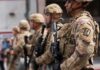
Los Angeles mayor-elect Nithya Raman appeared at a protest outside Adventist Health White Memorial Hospital after federal agents detained two people near the site. Raman told the crowd that the current administration was not welcome in Los Angeles and framed the incident as an attack on local values. She said agents blocked the emergency room entrance and demanded transparency and accountability from federal authorities, aligning with her campaign pledge to resist local cooperation with federal immigration enforcement.
Reports from the scene describe tense exchanges between protesters and agents. Coverage noted detentions and claims of blocked ambulance access, but did not include hospital footage, dispatch logs, or a federal incident report. A separate account stated agents were present because a detainee requested medical treatment, which conflicts with parts of the protest narrative. The bottom line is that some details remain disputed, and the public still lacks final records that would settle what happened inside the emergency area.
Raman’s Record: Limits on Local Cooperation and Data Sharing
Raman’s appearance fits her record of opposing city practices that help federal immigration enforcement. During the mayoral race, she criticized data sharing by the Los Angeles Police Department and said she was skeptical of automatic license-plate reader systems that can feed shared databases. She also pushed proposals to bar the Los Angeles Police Department from working with federal immigration agents and to keep immigration operations off city property. Her hospital remarks extended that stance and cast it as a defense of public safety and local control.
Support for the protest from state and local officials and several advocacy groups gave the event a larger platform. Reports listed State Senator María Elena Durazo, Assemblymember Mark Gonzalez, and Councilmember Ysabel Jurado among those backing calls for transparency after the hospital confrontation. Organizers tied their message to protecting access to care and civil rights. They argued that any enforcement activity at hospitals chills patients from seeking help, even when they face medical emergencies.
City Priorities: Homelessness, Safety, and Basic Services Still Loom
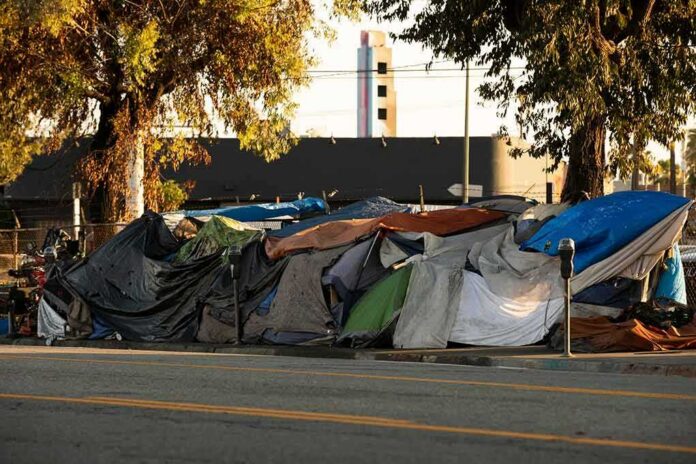
Many Los Angeles voters say the new mayor must first fix homelessness, public safety, and broken infrastructure. Interviews after the election showed residents want cleaner streets, faster emergency responses, and working streetlights without delay. Council voices echoed those demands, citing broken streetlights, slow road work, unsafe sidewalks, and visible encampments as immediate needs that require attention and measurable results. These expectations set a clear yardstick for Raman’s early choices and time management.
Los Angeles mayor-elect Nithya Raman joined an anti-ICE protest and led “ICE out” chants after a confrontation at a hospital. But according to federal prosecutor Bill Essayli, ICE agents were there to get medical treatment for someone already in their custody. He announced late… pic.twitter.com/D63dpnBDf4
— sandym (@Sandy1Texas) November 8, 2026
Independent reporting described a city still in crisis and a budget under strain. Analysts noted that the Inside Safe program had cost about three hundred million dollars to move around six thousand people, with roughly forty-one percent returning to homelessness by late spring. Raman once backed the effort, then attacked it as too costly during the campaign. That shift invites scrutiny of her plans to cut waste, speed housing placements, and make streets safer while also wading into federal immigration fights.
What We Know, What We Don’t, and Why It Matters
Facts confirm Raman joined the hospital protest, condemned federal agents, and tied her stance to local values and patient access. Reports also show uncertainty about key details, including whether emergency access was truly blocked and the status of those detained. Until hospital logs, footage, and federal records surface, those points remain open. Meanwhile, voters are watching whether City Hall focuses on homelessness, crime, and basic services that shape daily life in Los Angeles.
Sources:
redstate.com, latimes.com, abc7.com, thelalocal.org, nbclosangeles.com, dailynews.com, ktla.com, theeastsiderla.com, theintercept.com, foxla.com, cdapress.com, lamag.com