
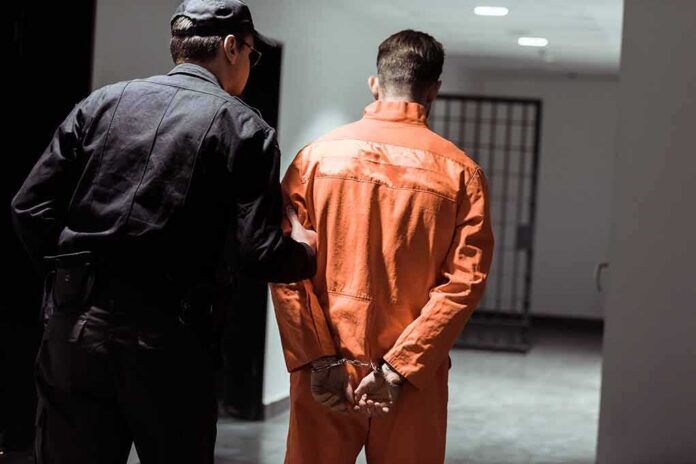
Three states plan to carry out executions on the same day for the first time in nearly 16 years, underscoring a hard line on violent crime and justice for victims.
Story Snapshot
- Tennessee, Alabama, and Oklahoma scheduled executions for August 13, 2026.
- If all proceed, it would be the first triple same-day execution since 2010.
- Scheduled executions can change late due to court stays or drug issues.
- Cases include convictions for brutal murders, with lengthy appeals already run.
Three States, One Day: What Is Scheduled
Officials in Tennessee, Alabama, and Oklahoma set execution dates for August 13, 2026, creating a rare triple same-day schedule. The Death Penalty Information Center’s public calendar lists Anthony Darrell Dugard Hines in Tennessee, Carlos Cuesta-Rodriguez in Oklahoma, and Jeremy Williams in Alabama on that date. Associated Press reporting carried by major outlets also confirms the synchronized timing across the three states as they prepare their protocols and final reviews.
Reporters and victim advocates note how unusual this is. National coverage says the United States has not seen three executions on the same day since 2010, which explains the heightened attention on these cases and procedures. Florida has also driven a broader 2026 increase, but the overlap in Tennessee, Alabama, and Oklahoma stands out for its timing and coordination across jurisdictions.
Who Is Scheduled and Why It Matters
Case summaries from public reporting identify the inmates and the crimes behind the sentences. Alabama scheduled Jeremy Williams, who was convicted in the rape and murder of a five-year-old girl, a crime that shocked both Alabama and Georgia communities and moved quickly through appeals because of its brutality. Tennessee set the date for Anthony Hines, whose case has drawn legal filings about drug protocols and access to records even as the warrant approached.
Oklahoma listed Carlos Cuesta-Rodriguez on the same date, extending that state’s recent pattern of moving long-pending cases after years of litigation. Together, these cases show how states are working to carry out jury verdicts after lengthy appellate review. Families of victims often describe each delay as reopening wounds. The synchronized schedule highlights a firm stance on accountability for the worst violent offenses.
Rarity, Process, and Last-Minute Variables
Capital punishment calendars change often, and same-day executions remain rare in the modern era. Analysts track windows when more than one execution is planned, but many states face hurdles such as lethal injection drug sourcing and evolving court standards. Advocacy groups have flagged these practical issues, warning that warrants can shift up to the final hours. That reality explains why officials stress that “scheduled” does not always mean “certain” until all legal reviews close.
Comparative data from prior years show how unusual triple overlaps are. Media reviews and expert tallies point to the 2010 benchmark as the last day with three executions nationwide, while earlier clusters were typically double executions within a single state or in short spans across states. Arkansas once compressed multiple executions into a brief period, but that pattern remains the exception, not the rule, underscoring how notable this week’s calendar is.
Law-and-Order Signals Under Scrutiny
State leaders argue that enforcing lawful sentences restores deterrence and honors victims whose families waited years. Supporters also frame timely enforcement as part of a broader return to order, after a decade when soft-on-crime policies and activist litigation often stalled justice. Critics push for clemency or drug transparency, and some file urgent motions that could narrow or delay the schedule. Courts will weigh those claims against trial records and established precedent.
On Thursday, August 13, 2026, the State of Oklahoma is scheduled to execute by lethal injection Carlos Cuesta-Rodriguez, age 70, for the 2003 Oklahoma County of Olimpia Cardina Fisher, age 43, his common-law wife. This will be third execution carried out by the state this year… pic.twitter.com/VdUiMyagye
— Diocese of Tulsa (@DioceseofTulsa) August 12, 2026
For conservative readers focused on public safety, the message is clear. These states are signaling that violent crime meets real consequences, and that the judicial process, while long, still leads to enforcement. President Trump’s administration is not directing state executions, but the broader climate supports law-and-order priorities. As the day unfolds, watch for court rulings or protocol updates that could alter timing. Until then, the posted schedules remain in force.
Sources:
democracynow.org, abcnews.com, usatoday.com, deathpenalty.org, tdcj.texas.gov, youtube.com