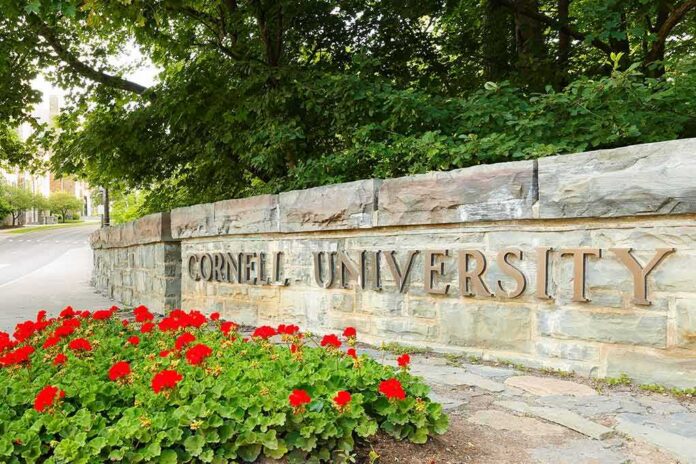
Prosecutors moved to take an alleged 2024 Cornell fraternity gang rape to a grand jury after a civil suit exposed graphic messages and renewed public outrage.
Story Highlights
- Tompkins County prosecutors reopened the case and plan a grand jury review with the accuser’s cooperation.
- The civil lawsuit alleges drugging and group sexual assault at Cornell’s Chi Phi house in 2024.
- Cornell says it completed its own process and kept the Chi Phi chapter barred from campus.
- Defense lawyers deny the claims and say records and scientific evidence back them up.
DA Reopens Case And Signals Grand Jury Review
Tompkins County District Attorney Matthew Van Houten said his office will present the alleged 2024 assault to a grand jury with the accuser’s cooperation. He told ABC News he wants to reexamine whether new evidence changes the case assessment that stopped charges in 2024. His office moved after a civil lawsuit filed this month drew fresh attention and outrage. A grand jury review does not guarantee charges. It starts a formal check on the facts under oath.
Prosecutors said the renewed review seeks materials not assessed two years ago. That includes reported messages that surfaced in litigation records. Officials aim to see if those add proof of criminal conduct. The move follows a common pattern in campus cases. Early police files can be thin, while civil suits and school probes generate new documents and sworn statements. Prosecutors are using those additions to test whether the law supports charges now.
The Lawsuit’s Claims And Document Trail
The accuser, named as Jane Doe in filings, alleges fraternity men at Cornell’s Chi Phi house pushed drugs on her and then sexually assaulted her for hours in 2024. The complaint describes pressure to snort a drug the men called ketamine and cites a group chat message that called others upstairs. Media reports quote the filing and note two students faced campus penalties while the chapter remained banned from campus after Cornell’s process.
Cornell University said its Office of Civil Rights and its Office of Student Conduct completed a separate investigation under school rules. The university stated it supports the district attorney’s decision to bring the accuser’s account to a criminal grand jury. Cornell confirmed the Xi chapter of Chi Phi remains barred from campus. The school’s statement highlights the divide between campus standards and criminal proof beyond a reasonable doubt.
Defense Denials And Claimed Evidence
Defense attorneys flatly deny the lawsuit’s claims. A lawyer for one named defendant told ABC News the incident “did not happen.” Counsel for another defendant told The Cornell Daily Sun they “wholeheartedly deny” the allegations. The defense says it possesses records, the plaintiff’s statements, and scientific evidence that it claims contradict the complaint. One lawyer acknowledged an immature group chat remark by his client but said he “did nothing” further.
These denials set up a clear factual clash that a grand jury can test under subpoena power. Jurors can hear sworn testimony, review device records, and weigh expert reports. That process protects the rights of the accused and the accuser. It also fits core American principles: due process, the presumption of innocence, and equal justice under law. The district attorney’s plan centers the dispute where it belongs—inside a legal forum with evidence, not on social media.
Why This Matters For Safety, Due Process, And Trust
Families want campuses that are safe and fair. Parents expect swift action on threats and protection of rights. The Cornell matter shows how those goals can collide when early files are limited. Campus systems can act faster but use different standards. Criminal courts demand stronger proof but move slower. When new documents emerge, a grand jury review can restore trust by testing every claim under oath and by the rules of evidence.
SHOULD DA Van Houten/TCDAO RECUSE itself, given PUBLIC COMMENTS about VICTIM, AFTER Tompkins County District Attorney REOPENED the 2024 Chi Phi Fraternity SEXUAL ASSAULT Case after arguable intense backlash over how the DA/ @Cornell handled it or the arguably INADEQUATE… pic.twitter.com/mBwE3rdiGs
— L Ortiz (@l_ortiz81888) September 29, 2026
For readers worried about institutions dodging hard truths, here is what to watch next. First, whether prosecutors secure new digital evidence or lab results. Second, whether witness testimony stays consistent under oath. Third, whether the university’s records align with the lawsuit and any new materials. Finally, whether the grand jury finds probable cause for charges. These steps help ensure justice is based on facts, not pressure or spin, and that rights are protected at every stage.
Sources:
abcnews.com, statements.cornell.edu, people.com, cbsnews.com