
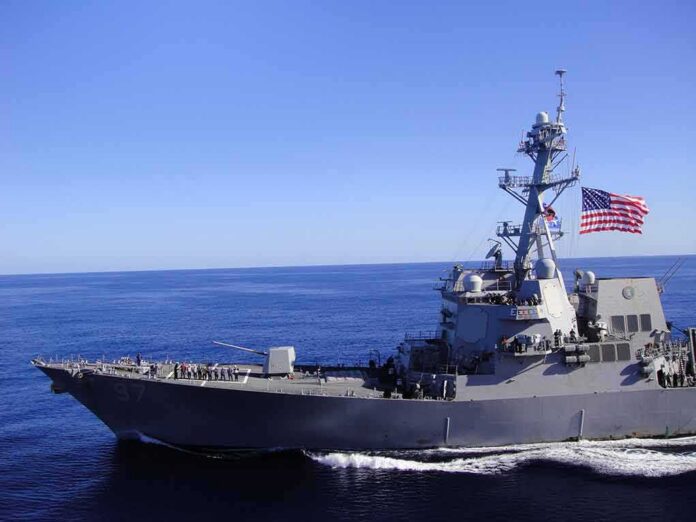
A 295-day carrier deployment shows the Navy is burning premium ships on routine jobs, straining crews and readiness while taxpayers foot the bill.
Story Snapshot
- USS Abraham Lincoln set a post–Cold War record with a 295-day deployment.
- Carrier deployments often run past the Navy’s seven-month goal, stressing crews.
- Government watchdogs describe a plan to keep many carriers ready at once.
- Experts warn long deployments raise maintenance debt and reduce future readiness.
Record Deployment Puts Costly Carrier On Routine Presence Duty
U.S. Pacific Fleet records show USS Abraham Lincoln ended a 10-month cruise after 295 days at sea, the longest carrier deployment in the post–Cold War era. That figure is not just a headline. It is the clearest signal that high-end ships are filling basic “show the flag” and presence tasks. Those missions matter, but they do not always need a nuclear carrier. Using the most expensive tool for the cheapest jobs wastes money and time and risks wearing down the very edge we depend on.
Crew families and analysts describe a steady creep in deployment length that now tops the Navy’s planning goal. Reporting shows the service has asked carriers to exceed seven months again and again, citing heavy global demand. When a carrier group stays out for nine or ten months, flight hours, parts consumption, and crew strain all spike. That stress does not vanish when the ship returns home. It piles up as maintenance debt that must be paid later, often at a higher cost to the taxpayer.
Readiness Framework Was Built For Surge — Not Endless Extensions
Government Accountability Office reports explain the Fleet Response Plan that underpins naval readiness. The plan sets tiers like emergency surge, surge-ready, and routine deployable status to keep multiple carrier groups ready inside tight timelines. Naval leaders touted a “six plus two” model, with six combat-ready carrier strike groups and two more able to spin up fast. That design makes sense for a crisis surge. But turning a surge design into a standing practice risks locking carriers into endless extensions that break the very cycle that keeps them lethal.
Research on carrier maintenance cycles shows why this matters. The timing between deep overhauls, the training period, and the deployment itself all determine how often a carrier can sail and fight. When the schedule stretches to nine or ten months, the knock-on effect ripples across the whole cycle. Later maintenance grows more complex. Training compresses. The next crew inherits a tired ship. That is not how you keep America’s main sea-based airfields ready for a real fight.
Strain On Sailors And Budgets Undercuts Deterrence
First-hand accounts point to growing strain on sailors when deployments drag past planned lengths. Coverage shows crews being asked to maintain tempo well beyond seven months, with families and veterans warning about burnout and morale. A carrier is a city at sea. Longer cruises mean more wear on engines, aircraft, and minds. This hurts retention, raises costs, and chips away at unit cohesion. Deterrence works best when the fleet looks sharp and rested, not overtasked and behind on fixes.
There is another cost: opportunity. Every extra month a carrier steams in a low-threat zone is a month it is not training for high-end war. Strategy pieces from respected naval thinkers argue that long “presence” deployments crowd out the tough work needed to beat a peer rival. If we want hard power ready for real combat, we must align missions with the right platforms and the right length. That means saving carriers for missions only carriers can do and using smaller, cheaper ships for routine patrols and escorts.
What A Conservative Course Correction Looks Like
Leaders can fix this with common-sense changes that respect taxpayers and troops. First, enforce deployment lengths close to the seven-month target except for true emergencies, and publish waivers when extensions happen so Congress and families can see the tradeoffs. Second, shift routine presence and convoy tasks to destroyers, frigates, and allied ships when possible, keeping carriers focused on deterrence, surge, and high-end training. Third, protect maintenance windows so the next crew is not flying on borrowed time.
https://t.co/XS7LM4NjeF⛴ US Navy deploys another carrier to Middle East
The USS Theodore Roosevelt and its strike group are sailing from San Diego to relieve the USS George Washington in the CENTCOM theater for a 7-month deployment.
The USS George Washington replaced the USS
— GUSANO ROJO (@EJGuerraR) August 28, 2026
America needs a strong Navy that is feared by enemies and loved by its sailors. The facts show the system we have is pushing the most expensive assets to do the cheapest jobs, leading to long cruises, higher costs, and tired crews. President Trump’s team can drive a reset that matches missions to the right hulls and restores discipline to the cycle. That is how we safeguard readiness, cut waste, and keep our carriers ready for the fight only they can win.
Sources:
19fortyfive.com, cpf.navy.mil, cantwell.senate.gov, news.usni.org, migflug.com, military.com