
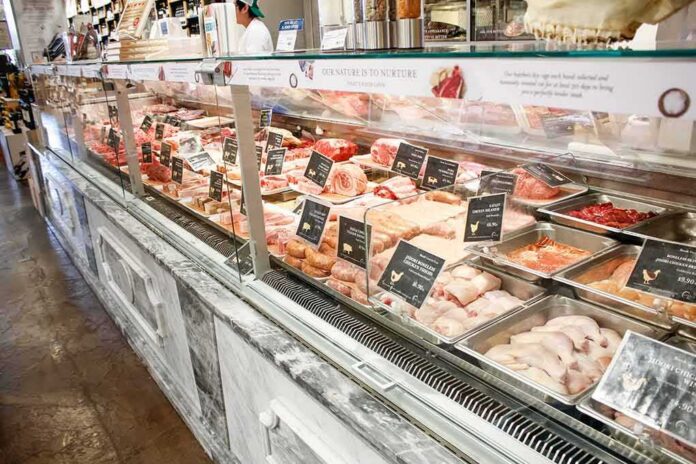
Overnight temperature changes in supermarket freezers across Sweden, Belgium, and Luxembourg point to remote tampering that risks food safety and public trust.
Story Highlights
- Retailers reported unauthorized changes to refrigeration settings in three countries.
- Investigations are ongoing; firms describe “IT incidents,” avoiding formal attack labels.
- A recent French case showed hundreds of stores hit by remote controller abuse.
- Older, internet-connected controllers create a weak link that bad actors can exploit.
What Retailers Reported In Sweden, Belgium, And Luxembourg
Ahold Delhaize said someone tampered with cooling-system temperatures at stores in Belgium and Luxembourg. The company is investigating cause and scope. In Sweden, ICA reported an overnight incident at a limited number of stores that hit refrigeration and freezers. Coop said six stores in central Sweden had refrigeration problems. These firms used careful terms like “IT incident” and did not confirm a cyberattack. Police and regulators have not announced attribution yet.
Belgian reports said about 40 Delhaize stores and at least 15 Carrefour Belgium locations had disruptions. Managers described remote changes to set points and rapid response to protect food. Teams isolated systems and checked inventory. The cause of the Belgian disruption had not been confirmed as of the latest updates. Retailers are looking at equipment logs and access records to find out what happened and whether it links to the wider pattern seen in France.
Why The Pattern Looks Like Remote Manipulation
The mechanism that stores described—set points changed from normal values—is consistent with abuse of internet-connected refrigeration controllers. In France last month, investigators and reports detailed remote commands that raised temperatures and caused spoilage across many chains. The French national probe cited hundreds of stores and named large brands, showing a broad, timed event across regions. That event is under formal cybercrime investigation by prosecutors.
Reports tied the French damage to legacy controllers and monitoring systems that were old and hard to patch. Analysts pointed to specific product families whose software had reached end of support. Older remote interfaces were exposed to the internet or reachable through weak protections, making them soft targets. That lifecycle gap creates a door that criminals can open without stepping into a store. Danfoss indicated many affected devices were legacy models no longer receiving updates.
Important Limits: What Is Known Versus What Is Not
No authority has confirmed that the Sweden, Belgium, and Luxembourg problems came from the same actor or method as the French attack. Retailers state the events are under review. Several have avoided the word “cyberattack,” even as their teams treat remote access as a risk. Investigators have not released controller logs, malware samples, or clear indicators of compromise to the public. That means the link across countries is plausible but unproven right now.
Technical questions remain open. Investigators must show that a human issued the changes, not a sensor fault or a power event. They will look for administrator logins, command histories, and source addresses. They will also confirm the exact hardware and firmware at each site. That evidence will separate a true intrusion from ordinary equipment issues. Until then, officials and retailers are right to keep language precise and measured.
Food Safety, Family Budgets, And A Wake-Up Call For Basic Security
Higher freezer temperatures can spoil meat, dairy, and medicine. Families pay the price when stores toss products and pass costs on. This type of attack, if confirmed, goes after daily life. It hits the cold chain that keeps food safe from farm to cart. It does not take elite tools to cause pain. It takes old devices online with weak settings and no updates. That is why this matters far beyond Europe’s borders.
@InsiderGeo : Estonia is now the latest country hit by a cyberattack targeting supermarket refrigeration systems, following incidents reported this morning in Belgium, Sweden, and Luxembourg. https://t.co/vuWneHB6GM
— Guérard Jean-Charles (@GuerardJean) November 2, 2026
Common-sense steps can blunt the threat. Store operators should remove internet exposure for control panels, require strong multi-factor sign-ins, and segment networks so vendors cannot reach everything at once. They should inventory legacy gear and plan replacements or compensating controls. They should keep offline backups of set points and be ready to cut remote access during alarms. These are practical defenses that protect food, jobs, and family budgets without bloated spending.
What To Watch Next
Watch for official findings from prosecutors and cyber agencies on the three-country events. Look for details on which controllers were in use, how settings changed, and whether there was a shared weakness. Track whether retailers confirm a single campaign or separate incidents. Expect more scrutiny of vendors and their support for long-lived devices. Clear, public answers will help prevent panic, guide fixes, and keep basic goods safe at prices families can afford.
Sources:
insiderpaper.com, apnews.com, dutchnews.nl, cphpost.dk, people.com, independent.ie, occrp.org, bloomberg.com