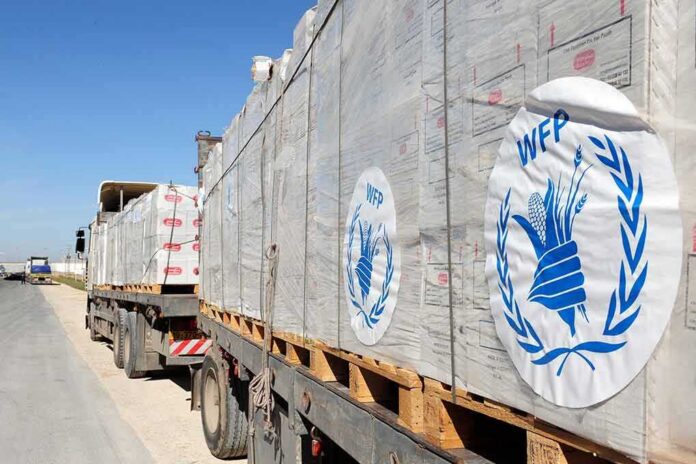
Deep aid cuts forced the United Nations food agency to slash help for millions in Afghanistan, pushing a worsening hunger crisis into sharper focus.
Story Highlights
- United Nations food agency cut rations in March 2023 for at least four million Afghans due to a funding shortfall.
- Afghanistan’s 2023 humanitarian plan received about half of what was needed, leaving a gap over $1.5 billion.
- United Nations offices warned food and nutrition pipelines were at risk of breaking amid a $1.3 billion gap.
- World Food Programme reported removing 10 million people from aid in 2023 and reducing ration sizes.
UN Funding Shortfalls Triggered Large-Scale Ration Cuts
United Nations officials said a lack of money forced the World Food Programme to cut life-saving help for at least four million Afghans in March 2023. That announcement confirmed what many feared after international donors pulled back. Families who relied on monthly food baskets saw drops or total removal from rolls. The cutbacks hit just as winter and high prices strained poor households. Aid groups said needs were real and rising, but the cash to meet them was not keeping pace.
United Nations numbers also showed the human cost among the most vulnerable. In 2023, agencies counted hundreds of thousands of malnourished mothers and millions of at-risk children who needed treatment or special foods. Health clinics faced more cases while stocks thinned. Rural areas with weak jobs and high food prices suffered the most. The gap between need and reach widened through the year. When rations fell from prior levels, many households skipped meals or took on debt to buy flour and oil.
Humanitarian Plan Was Only Half Funded As Needs Grew
The Afghanistan Humanitarian Response Plan for 2023 sought about $3.23 billion to cover food, health, and shelter. It logged around $1.67 billion in incoming funds, about half of what planners said was needed. United Nations humanitarian offices flagged a $1.3 billion “critical funding gap” that put food and nutrition supply lines at risk of rupture between mid-2023 months. That warning meant warehouses and pipelines could run dry. When pipelines break, restart takes time, leaving families exposed.
These gaps had direct impact on who got served. The World Food Programme reported Afghanistan received 80 percent less funding than in 2022 and, as a result, it removed 10 million people from assistance in 2023. Some communities saw ration sizes cut from 75 percent to 50 percent of needs, stretching thin support even further. Independent reporting said the plan ended the year only about 45 percent funded, and food teams could reach only one in five Afghans in need. The scale-out did not match the scale of need.
Multiple Pressures Drove Hunger While Aid Retreated
Humanitarian reports tied hunger to more than funding. Long-running poverty, drought-like conditions, high prices, and decades of conflict made households fragile. United Nations offices listed these as drivers that interacted with the aid cuts to deepen the crisis. When jobs vanished and crops failed, families leaned on aid to fill the gap. When that aid shrank, children and mothers paid the price first. Clinics saw more wasting and anemia. Markets stayed costly for staples, even when local harvests improved.
The Inter-Agency Humanitarian Evaluation found that Afghanistan’s aid effort largely matched needs until 2023, when money fell and gaps grew. That turning point matters. It shows that while local problems are deep, steady aid kept the worst at bay. Pulling back removed that buffer. For American readers, the lesson is clear: changing donor choices overseas can ripple into real human harm. The United States cares about stability and stopping terror; hunger and chaos make both harder to achieve.
Why This Matters To American Interests And Values
American conservatives believe in smart, targeted aid that serves clear goals and avoids waste. The data from United Nations trackers and the World Food Programme point to focused needs, clear pipelines, and measurable rations. When those lines go dry, bad actors exploit despair. That can fuel migration pressures and security risks that reach our borders. A careful, accountable approach that ties aid to outcomes can protect families abroad while advancing core American interests at home.
Nearly 19 million people in Afghanistan face acute hunger, while aid cuts are leaving malnourished children without treatment. Food and nutrition support must reach families before a treatable condition becomes a tragedy. Funding decisions have human consequences.
— Terri L. Williams (@PanacheCareerSt) October 15, 2026
President Trump’s team has pushed for accountability, fewer blank checks, and stronger results. Those goals fit this moment. Washington can press United Nations partners to document delivery, cut overhead, and prioritize food and nutrition for mothers and kids. It can also rally like-minded donors to close the most urgent gaps while demanding strict monitoring. That is compassionate, conservative, and practical. It helps people in real need without feeding corruption or endless programs.
Sources:
apnews.com, unocha.org, fts.unocha.org, thenewhumanitarian.org, abcnews.com