
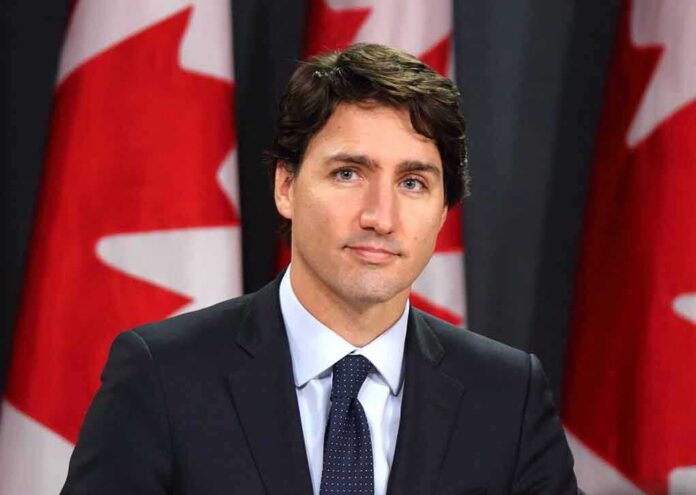
Chrystia Freeland’s new memoir says crying was routine in Justin Trudeau’s cabinet meetings, with language policing and public scoldings shaping the room.
Story Highlights
- Freeland writes that crying was routine during Trudeau-era cabinet meetings.
- Freeland recounts Trudeau scolding a minister for saying “crazy,” urging “bananas” instead.
- Reports describe tissues on hand and hugs offered to upset ministers.
- Freeland says private access to Trudeau was rare, signaling a tightly controlled culture.
Memoir’s Core Claims About Cabinet Culture
Former Canadian deputy prime minister Chrystia Freeland alleges an emotional and tightly managed cabinet under Prime Minister Justin Trudeau. In her memoir, she writes that crying was routine at cabinet meetings. Reports say tissues were kept nearby and that upset ministers sometimes received hugs. Freeland also recounts Trudeau scolding a female colleague for saying “crazy,” and telling ministers to say “bananas” instead. These scenes paint a picture of language policing and a tense room that was quick to tears.
Coverage of the book repeats these details and adds that Freeland viewed Trudeau as bullying ministers at times. One outlet quotes her being appalled when he openly bullied people around him. Another describes the cabinet culture as shaped by “woke” sensitivities. While tone varies by outlet, the common thread is Freeland’s direct account of a cabinet where emotions ran high and the prime minister enforced strict language norms during sensitive talks.
Access, Control, and Decision-Making Style
Freeland says private access to Trudeau was rare, noting she could count one-on-one meetings on one hand. She describes an aloof leader who kept ministers at a distance, despite a warm public style. Politico reports that a surprise one-on-one video call, where Trudeau told her Mark Carney would replace her as finance minister, signaled an unusual and controlled process. The book’s portrait suggests a centralized style with tight image control and limited peer intimacy.
Freeland’s description implies a clear power imbalance common in top-down systems. Canada’s own guidance says the prime minister is the architect of cabinet systems and decision processes. That role gives a leader wide control over who gets access and how meetings run. Freeland’s account fits that model but adds a layer of emotional scenes and language rules that shaped how ministers spoke and reacted during high-stakes meetings.
Bullying Claims and Workplace Standards
Freeland’s memoir includes the word “bullying” to describe how Trudeau treated ministers in some meetings. Research on workplace bullying defines it as repeated, prolonged negative conduct with a power gap. Studies estimate about 10 to 20 percent of workers report bullying exposure on average. Freeland’s anecdotes about scolding and routine crying match concerns about climate, yet the technical label of bullying usually turns on repeated targeting and duration across time.
Chrystia Freeland (former Deputy Prime Minister, Minister of Foreign Affairs and Minister of Finance of Canada) is currently the Canadian representative on the #Bilderberg Steering Committee, CEO of the Rhodes Trust, Warden of Rhodes House, economic adviser to President Volodymyr… pic.twitter.com/vYCz3x3LaZ
— Giorgio Bombassei (@GFBombassei) October 14, 2026
The reporting so far stresses the vivid scenes rather than a full count of incidents. The accounts specify crying, hugs, tissues, and the “bananas” language rule, but do not list dates, names, or a timeline for every meeting. That means the book establishes tone and examples, while outside coverage supplies context on leadership style and access, including the unusual call about the finance post. The central factual thread remains Freeland’s first-person testimony of a highly emotional and controlled cabinet room.
Sources:
lifesitenews.com, theglobeandmail.com, rebelnews.com, cbc.ca, personneltoday.com