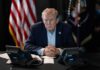
Congress just armed President Trump with up to 100% tariffs on buyers of Russian energy, putting real pressure on India’s oil trade.
Story Highlights
- Congress passed a sanctions bill enabling tariffs up to 100% on buyers of Russian oil and gas.
- India warned the measure could hit bilateral ties and vowed to protect its economic interests.
- India is among the biggest buyers of Russian crude, making it especially exposed.
- Final enforcement details and scope will depend on executive action, leaving some uncertainty.
Congress Creates Leverage Through Tariff Authority
United States lawmakers passed the Sanctioning Russia and Iran Act of 2026, a measure that allows tariffs of up to 100% on countries that keep buying Russian oil and gas. The bill’s design aims to cut funds to Moscow by raising costs for its customers. The authority creates a clear policy tool for the White House. The language establishes a legal channel for pressure rather than mere rhetoric. The move aligns with a broader sanctions framework that also targets Russian finance and shipping.
Reporting states the measure exposes key buyers, and it specifically places India in the crosshairs because of its large Russian crude purchases. Reuters described India as among the biggest buyers of Russian crude during this period, which gives Washington a direct economic lever. The bill’s core logic is simple: make Russian oil less attractive by adding tariff risk. That logic depends on follow-through by the executive branch and on how markets react to potential added costs.
New Delhi Signals Concern And Defends Energy Security
India’s Ministry of External Affairs said it noted the bill’s passage and warned of potential implications for the bilateral relationship. Officials pledged to protect trade and economic interests while stressing energy security for 1.4 billion people remains a priority. The government said it will keep diversifying supplies and study the law’s details before making changes. That stance signals both resistance to sudden shifts and a willingness to review exposure if enforcement becomes concrete and costly.
Commerce voices echoed this measured line, saying India would not make impulsive decisions while it evaluates how tariffs could apply. That approach fits India’s recent pattern of buying discounted Russian barrels while balancing ties with the United States. The message to Washington is clear: New Delhi sees a core national interest at stake. Any pressure that spikes India’s energy costs will face pushback. That creates a test of will and economics, not just politics, in the months ahead.
What Enforcement Could Mean For Prices, Trade, And Strategy
If the administration uses the new authority, tariffs could raise delivered prices for Russian crude and products moving through Indian refiners. That would narrow or erase discounts that drove recent trade flows. Higher costs could shift some Indian demand back toward Middle East suppliers or United States energy, while reducing cash going to Russia. The change could also hit re-exports of fuel made from Russian crude, depending on how rules define origin and scope. Market shifts would follow policy clarity.
However, some legal uncertainty remains. One report says an amendment that would have named India was rejected, suggesting exposure depends on later executive action and guidance. That matters because companies plan around rules, not headlines. Clear definitions, timelines, and any exemptions will decide how quickly refiners and shippers adjust. Until then, India will likely hedge, seek options, and press its case that energy security should not be collateral damage in a wider sanctions fight.
Amid a late-summer rally, the CME Group Agriculture Index climbed higher. What crops are leading the rise? https://t.co/DuiGJJMnav
— OpenMarkets (@Open_Markets) September 22, 2026
For American readers, the stakes touch wallets and national strength. Cutting Russia’s revenue supports a policy goal conservatives back, while restoring fair trade and energy dominance. But the method must avoid punishing partners we need against China. President Trump now has the tool Congress provided. Smart execution means using it to squeeze Moscow, defend American workers, and still keep India close. That balance can advance security while avoiding the globalist trap of one-size-fits-all pressure.
Sources:
zerohedge.com, aljazeera.com, ndtv.com, nytimes.com, reuters.com, oilprice.com, money.rediff.com