Police data show crime in Washington, D.C., fell sharply since 2024, even as critics nitpick President Trump’s words and downplay visible gains.
Story Highlights
- Metropolitan Police data show big drops in homicides and property crime since 2024.
- President Trump said “young, beautiful girls” thank him for making D.C. safer.
- Analysts credit the National Guard with curbing opportunistic thefts but dispute effects on violent crime.
- Public debate centers on what caused the drop, not whether overall crime fell.
What Trump Said And Why It Sparked Debate
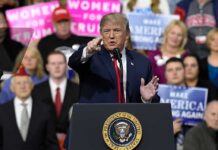
President Trump told an audience that “young, beautiful girls” thank him for making Washington, D.C., safer, citing daily feedback from women who want to feel secure near the White House and around the city. The line drew ridicule from hostile media, but it came as the city posted real crime declines. The remark is on video, removing any doubt about what he said or the context he gave about safety concerns voiced by women who work and live in the area.
Reporters highlighted the phrasing while often skipping the core point: residents notice changes on the street. Even some critical outlets acknowledge that overall crime is down year over year. The argument is not whether numbers improved, but who or what deserves credit. That is a fair policy fight. But it is different from claiming the streets have not improved at all. Trump tied thanks from women to a broader sense of order and visible enforcement.
The Record: Crime Is Down, Especially Property Crimes
Metropolitan Police Department data show clear declines since the 2024 spike. The city logged steep drops in theft from autos and motor vehicle theft, which together drove a broader fall in property crime. Homicides also fell from their recent highs, easing pressure on neighborhoods that suffered the worst of the violence. These official numbers support a basic claim that D.C. feels and functions safer than it did at the peak of the crime wave, even if the improvement is uneven.
Independent analysts studying the National Guard surge found a specific pattern. They credit the deployment with cutting “opportunistic” property crime, like car break-ins and package thefts, by roughly a quarter in the early months. They also argue the Guard did not measurably reduce violent crime citywide. That view does not erase the wins on theft or auto crime, but it narrows the causal claim about murders or robberies. The dispute is about scope, not whether property crime dropped.
Causation Questions: Police, Guard, And Visible Deterrence
Researchers who are skeptical of the Guard’s role point to stronger local policing and prior trends to explain the declines in violent offenses. They say robberies and other serious crimes were already easing and that the Guard mainly deterred quick-hit thefts. Supporters counter that adding uniforms, lighting, and federal coordination can stabilize troubled areas and give local officers room to go after repeat offenders. Both sides look at the same data and reach different causal judgments.
For families, small businesses, and commuters, the policy debate matters because cause guides future budgets. If visible deterrence and federal-local coordination cut property crimes that hammered daily life, that is a real gain worth keeping. If violent crime needs targeted policing, prosecutions, and sentencing, leaders should double down there. The evidence today says D.C. is safer on the whole than it was in 2024, with the sharpest gains in property crime and a notable decline in homicides, while causal credit remains contested.
The Politics Of Tone And The Substance Underneath
Progressive critics mocked Trump’s “young, beautiful girls” line, but the reaction dodged the core issue: will leaders back policies that keep streets safe for everyone, including women walking home after dark. The safer-city trend is real in the official data. Analysts can argue over who gets the trophy. Voters want proof their government is beating back lawlessness without trampling rights or wasting money. That means keeping what works and fixing what does not, fast.
Bottom line for readers: Do not let style points crowd out substance. D.C. crime moved in the right direction, and people feel it. Trump’s team leaned on visible enforcement and coordination. Researchers see strong gains on thefts and mixed effects on violence. The task now is simple and serious: protect the wins, press violent crime lower, and insist on honest measures of success. Safety comes first, politics second, and every resident deserves both truth and results.
Sources:
independent.co.uk, mpdc.dc.gov, washingtonpost.com