
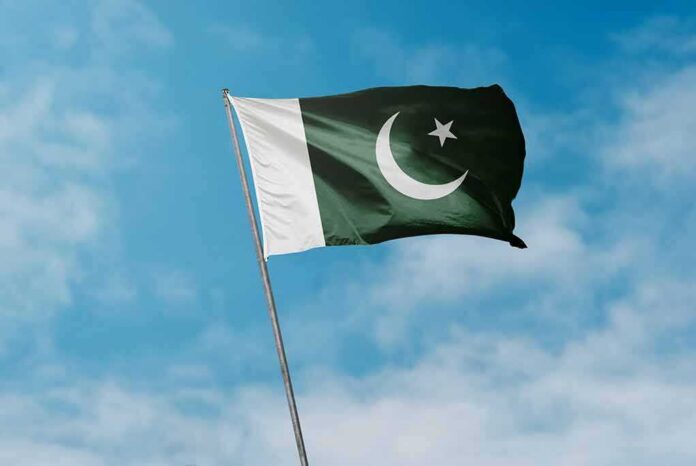
Pakistan’s latest crackdown in Kashmir shows exactly how fast a government can turn off freedoms when it controls the internet, the police, and the narrative.
Story Snapshot
- Pakistan shut down internet and phone services across Pakistan-administered Kashmir for weeks after a protest call.
- Authorities labeled a grassroots rights group “terrorist” and used anti-terror law to justify raids and mass arrests.
- Reports from rights groups and local sources describe killings, disappearances, and a deep information blackout.
- This crisis exposes a growing global pattern of using “security” as a pretext to crush dissent and control citizens.
Internet Blackout Turns a Region Into a Blind Spot
On June 5, Pakistan’s authorities ordered a full shutdown of internet and mobile networks across Azad Jammu and Kashmir, cutting off an entire region from the outside world. Amnesty International says this blackout was imposed after a protest call by the Jammu and Kashmir Joint Awami Action Committee, a civil group demanding fair representation and basic economic relief. Mobile data and broadband stayed down for many days, with some areas reportedly dark for 45 to 48 days before partial restoration. Residents suddenly lost access to news, banking, school, and even emergency help.
Rights groups warn that this kind of blanket shutdown is not just a tech choice; it is a direct attack on basic freedoms. The United Nations has called similar blackouts in Kashmir a form of “collective punishment,” noting they rarely meet tests of necessity or proportionality. When a government can flip a switch and silence millions, it becomes far easier to hide abuses, block organizing, and control what the rest of the world sees. For American readers who value the First Amendment, this is a clear warning about the dangers of unchecked digital power.
Protest Movement Branded as Terrorist to Justify Force
On the same day the blackout began, the Azad Jammu and Kashmir authorities designated the Jammu and Kashmir Joint Awami Action Committee as a “proscribed organization” under the region’s anti-terrorism law. Amnesty International calls this step “disproportionate” and “unlawful,” arguing the group is a grassroots civil movement, not a terror cell. The committee’s demands focused on bread-and-butter issues: fair electricity prices, food subsidies, and an end to decades of political neglect. Instead of negotiation, the state used the terror label to open the door to raids, bans on gatherings, and sweeping arrests.
Reports from local and international outlets say Pakistan deployed thousands of extra police and paramilitary forces across Pakistan-occupied Kashmir to “crush protesters.” Sky News notes that officials themselves admitted detaining more than 500 people during clashes, while at least 24 civilians and police officers were killed over several days. A detailed civil report from the region describes mass arrests, criminal cases under anti-terror laws, and the targeting of organizers who tried to keep protests peaceful. For conservatives who worry about the word “terrorism” being stretched at home, this looks like a textbook example of how that label can be abused.
Killings, Disappearances, and Conflicting Casualty Counts
The full human toll of the crackdown is still unclear, in part because the blackout blocks normal reporting. International media place the number of deaths from clashes between protesters and security forces anywhere from the teens to the twenties, while some regional outlets and activists claim more than 30 civilians were killed. One human rights situation report from Azad Kashmir documents lethal use of force, denial of medical access, and deaths tied to roadblocks that stopped ambulances from reaching the wounded. These accounts line up with earlier United Nations reports describing “chronic impunity” for abuses in both Indian- and Pakistan-administered Kashmir.
Perhaps most chilling are the claims of enforced disappearances. A recent investigation cites local reports that at least 38 Kashmiris have gone missing since the June crackdown, with families unable to confirm if loved ones are in custody, injured, or dead. Activists speaking at the United Nations Human Rights Council warn that hundreds were arrested and taken to undisclosed locations after house raids and street sweeps. Pakistan has not released detailed custody logs or court records to answer these accusations. When a state can detain people in secret and silence witnesses by cutting the internet, the rule of law collapses, and ordinary families pay the price.
A Pattern of Control That Should Trouble Americans
What is happening now in Pakistani Kashmir is not a one-off event. Rights groups have tracked years of repeated shutdowns, curfews, and mass detentions on both sides of the Kashmir divide, with very little accountability. Pakistan used similar internet blocks during national unrest and even around elections, while India has imposed record-long shutdowns after major constitutional changes in its part of Kashmir. The lesson is simple and serious: once governments normalize cutting communication in the name of “order,” they reach for that tool faster and with less restraint.
🇵🇰⚡ | #BREAKING: More than 80 people are reportedly dead in Pakistan-administered Kashmir following weeks of protests and a security crackdown.
🚨 Reports claim 23+ people were killed in the past 24 hours in Rawalakot and Mirpur, as renewed clashes erupted between protesters… https://t.co/QedguUbInk pic.twitter.com/7eEmmMMCGM
— Raaz News – En (@raaznewsen) July 28, 2026
For American conservatives who already mistrust big government and centralized tech power, this crisis should ring loud alarm bells. Pakistan’s actions show how quickly a ruling class can criminalize a reform movement, deploy militarized police, and then hide the fallout behind an internet wall. As President Trump pushes to defend free speech, secure borders, and stand against globalist double standards, this story in Kashmir is a reminder that liberty needs constant guarding. When foreign regimes get away with blackout crackdowns, it encourages every would-be tyrant who wants the same switch at home.
Sources:
amnesty.org, eurasiareview.com, socialistworker.co.uk, youtube.com, bbc.com, aljazeera.com, indiatoday.in, timesofindia.indiatimes.com, apnews.com, fidh.org, ohchr.org, assets.zyrosite.com