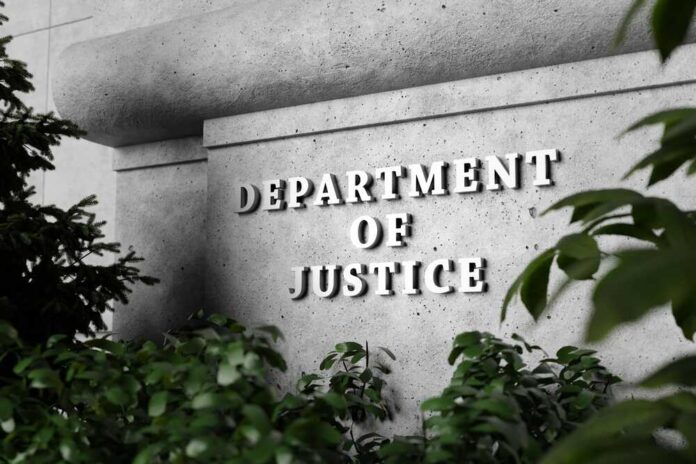
Deputy Attorney General Todd Blanche faces subpoena to testify in a potentially explosive hearing.
Story Snapshot
- Defense lawyers subpoenaed Deputy AG Todd Blanche and four other officials to testify about criminal charges filed against Kilmar Abrego Garcia while he was detained in El Salvador
- Federal Judge Waverly Crenshaw found a “realistic likelihood” of vindictive prosecution and ordered a two-day evidentiary hearing in early November
- The Trump administration deported Abrego Garcia in March, violating a 2019 court order in what officials called an “administrative error”
- DOJ plans to fight the subpoenas while critics claim the case tests the administration’s immigration enforcement approach and judicial compliance
High-Stakes Courtroom Battle Looms Over Prosecution Claims
Kilmar Abrego Garcia’s defense team has subpoenaed five government officials, including Deputy Attorney General Todd Blanche, to testify at a November evidentiary hearing in Nashville. The legal maneuver sets up a confrontation between the Trump administration’s Justice Department and claims that prosecutors vindictively targeted Abrego Garcia for criminal charges while he was detained in El Salvador. Two of Blanche’s deputies and two Department of Homeland Security officials also received subpoenas. DOJ lawyers indicated they will seek to quash the subpoenas to block testimony from these high-ranking officials.
🚨 #BreakingNews 🚨 Top Trump officials subpoenaed in Abrego Garcia hearing for 'vindictive' prosecution https://t.co/PzdZJsh7TP
Grab #amazon #deals here:
For #USA https://t.co/XSLcMcH5fl
For #INDIA https://t.co/4c1HvUGtfn#TrendingNews #BigBreaking #trending #viralnews Octo…— Instant News ™ (@InstaBharat) October 23, 2025
Judge Finds Evidence Supporting Vindictiveness Claims
U.S. District Judge Waverly Crenshaw ruled earlier this month that Abrego Garcia’s attorneys established a “realistic likelihood” of vindictiveness in the criminal case initiated while their client was detained overseas. Crenshaw ordered a new discovery and scheduled the two-day hearing for the first week of November. The judge cited Blanche’s own public statements, including a June interview where the deputy attorney general said Abrego Garcia was returned to the U.S. because of a Tennessee arrest warrant, not because of federal court orders from Maryland. Crenshaw characterized this as potential “direct evidence of vindictiveness,” creating a significant obstacle for the administration’s efforts to suppress the subpoenas.
Rare Legal Challenge Tests Prosecution Standards
Dismissing criminal cases on grounds of selective or vindictive prosecution remains notoriously difficult, with few attempts even reaching the discovery phase. Legal precedent requires defendants to prove prosecutors acted with genuine animus and specifically targeted them because of that hostility. Selective prosecution claims demand evidence that similarly situated individuals avoided prosecution. Despite these steep requirements, Judge Crenshaw’s willingness to advance the case through discovery and order an evidentiary hearing signals the defense team cleared an unusually high initial threshold. The outcome remains uncertain as both sides prepare for what promises to be an intense legal battle.
Administration Faces Judicial Scrutiny on Immigration Tactics
The case has become a flashpoint in broader tensions between the Trump administration’s immigration enforcement priorities and judicial oversight. The Justice Department declined to comment on the subpoenas, citing Judge Crenshaw’s gag order limiting public statements about the case. Some observers have questioned the administration’s characterization of the smuggling charges against Abrego Garcia, noting that in 2024 such charges carried an average prison sentence of just 15 months. The November hearing will test whether the administration’s aggressive immigration enforcement approach crossed constitutional lines into vindictive prosecution territory.
Sources: