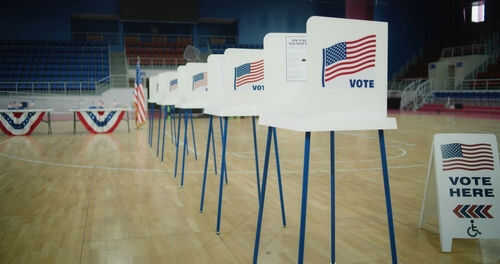
Federal judge delivers crushing blow to left-wing claims that voter ID laws echo Jim Crow suppression, upholding North Carolina’s photo ID requirement as constitutional.
Story Highlights
- U.S. District Judge Loretta Biggs rules NC’s voter photo ID law complies with Constitution and Voting Rights Act, ending decade-long federal litigation.
- Decision rejects NAACP accusations of discriminatory intent, affirming 2018 voter-approved amendment with 55% support.
- Republican leaders celebrate as monumental win for election integrity after years of legal battles.
- Low ballot rejection rates since 2023 implementation prove minimal burdens on voters, including minorities.
- Ruling strengthens nationwide trend, with NC joining 35 states requiring ID, countering suppression narratives.
Ruling Ends Litigation Over Voter-Approved Law
On March 26, 2026, U.S. District Judge Loretta Biggs issued a 130-134 page decision upholding North Carolina’s voter photo ID law under S.B. 824. The ruling determines the law does not violate the Fourteenth or Fifteenth Amendments or Section 2 of the Voting Rights Act. Biggs rejected claims of Republican discriminatory intent against minority voters. This follows voter approval of a constitutional amendment on November 6, 2018, with 55% support. Provisions for provisional ballots ensure access without ID, minimizing any burdens.
Timeline Traces Path from 2013 Setback to 2026 Victory
North Carolina’s voter ID efforts started with a 2013 omnibus law struck down for racial discrimination. Lawmakers revised after a 2018 constitutional amendment passed by voters, enacting S.B. 824. Judge Biggs blocked it preliminarily on December 31, 2019, for 2020 elections. The Republican-led NC Supreme Court reversed this in April 2023 by a 5-2 vote, allowing use in 2023 municipal elections. A May 2024 trial preceded the final upholding, distinguishing the 2018 law from 2013 precedents via voter mandate and ameliorative measures.
Stakeholders React to Integrity Win
NC Senate Leader Phil Berger called the decision a monumental win for election integrity after seven years of challenges. The NAACP NC State Conference, as plaintiffs, expressed deep disappointment, claiming barriers for Black, Latino, elderly, and low-income voters, with potential appeals unclear. Judge Biggs, an Obama appointee, emphasized accepting the majority’s will and lack of proven discriminatory intent. The Republican-controlled General Assembly originally passed S.B. 824 post-amendment. Power dynamics show GOP legislative majorities driving policy, backed by state high court.
Since 2023 implementation, provisional ballots without ID have seen few rejections, countering suppression fears. Biggs cited Supreme Court and Fourth Circuit precedents presuming legislative good faith, separating this law from prior invalidations.
The 'Voter ID Is Jim Crow' Narrative Took a Huge Blow in North Carolina This Week https://t.co/4wJ2XqS35d
— David Smithers (@davidsmithers77) March 28, 2026
Implications Bolster Conservative Election Principles
The ruling stabilizes elections for 2026 and beyond by ending federal challenges, reinforcing voter ID in 35 states including all 13 Southern ones. It weakens narratives equating ID requirements with Jim Crow-era tactics, prioritizing election security through common-sense verification. Short-term, low disruption affects all voters; long-term, it sets precedents deferring to state voters on access versus integrity. A separate state challenge to the 2018 amendment persists, but federal victory aligns with limited government and individual liberty by trusting citizens’ mandate. Political boosts aid GOP framing amid frustrations over past fiscal mismanagement and overreach.
Sources:
NC Supreme Court sets up tight timeline to implement voter ID
Federal judge upholds NC voter ID law two years after trial