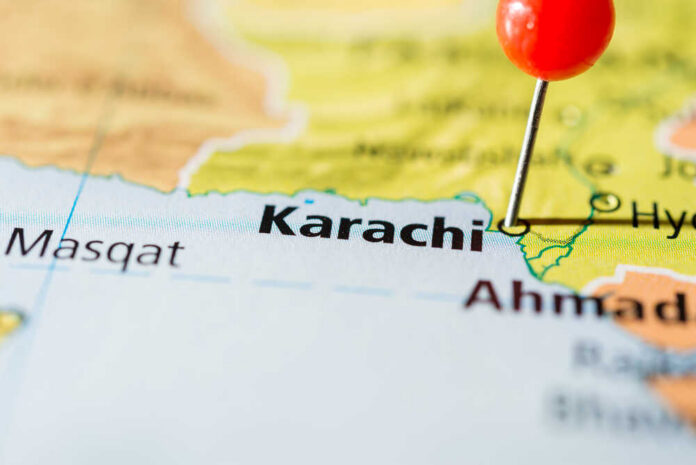
When a foreign mob breached America’s consulate walls in Karachi, U.S. Marines responded with lethal force—underscoring how fast anti-American rage can turn into a direct threat to U.S. lives overseas.
Story Snapshot
- Armed Shia protesters stormed the U.S. Consulate General in Karachi on March 1, 2026, after U.S. and Israeli strikes killed Iran’s Supreme Leader Ayatollah Ali Khamenei.
- U.S. Marine Security Guards opened fire as the outer perimeter was breached; reports cite roughly 9–16 protesters killed and more than 50 injured, with casualties varying by outlet.
- Pakistani police and Rangers used tear gas and batons to regain control; no U.S. personnel were reported killed or injured.
- Unrest spread beyond Karachi, with protests reported in multiple Pakistani cities and a broader death toll reported around 26 nationwide.
Karachi breach triggers rare, deadly response at a U.S. diplomatic post
Hundreds of protesters gathered near the U.S. Consulate General in Karachi early March 1, chanting anti-U.S. and anti-Israel slogans as demonstrations surged following reports that U.S. and Israeli strikes killed Ayatollah Ali Khamenei. Accounts say the crowd threw stones, vandalized the exterior, and set fires to vehicles and a nearby police post before breaching an outer wall. Video reportedly showed at least one protester firing a pistol.
U.S. Marine Security Guards stationed at the facility opened fire as the breach unfolded, killing and wounding members of the crowd, according to U.S. officials cited in reporting. The event stands out because lethal action by Marines at U.S. diplomatic facilities is uncommon and typically tied to an immediate threat to protected personnel or secure areas. Pakistani security forces moved in with tear gas and batons, and authorities eventually restored control around the compound.
What is confirmed—and what remains disputed in early reporting
Casualty figures differed across early accounts, with reports generally placing the Karachi death toll between about 9 and 16 and the number injured above 50. Some reporting described more than 60 injured, while broader nationwide totals were reported higher as protests spread. Pakistani officials and local police accounts did not always describe the gunfire in the same terms as U.S.-sourced reporting, and at least one Pakistani official disputed aspects of initial claims, underscoring the fog that often follows major unrest.
Authorities reported no successful breach into interior consulate areas and no U.S. personnel harmed, a key operational outcome in any attack on a diplomatic post. Roads near the consulate were blocked and traffic redirected as security forces tried to prevent additional crowds from regrouping. The U.S. Embassy and related facilities issued public safety messaging urging Americans to monitor local developments and avoid large gatherings, reflecting continued concern about copycat protests and opportunistic violence.
Pakistan’s internal pressures collide with U.S. security realities
Pakistan’s position is complicated by domestic dynamics and regional alignments. Pakistan has one of the world’s largest Shia populations, and pro-Iran sentiment can rise sharply during crises involving Tehran. Anti-U.S. demonstrations also have historical precedent in the country, including major incidents tied to upheavals in the Middle East. For Islamabad, preventing violence against U.S. facilities is a diplomatic necessity, but aggressive crowd control can inflame tensions and produce political backlash at home.
Fallout: closures, travel warnings, and a reminder of Benghazi-era vulnerabilities
Following the Karachi attack and the spread of protests, reporting indicated the United States closed consulates in Pakistan, including Karachi, Lahore, and Peshawar, while security conditions were reassessed. Demonstrations were also reported in Islamabad and other cities, with additional deaths reported near the U.S. Embassy area. For Americans who remember Benghazi, the Karachi incident is a stark reminder that U.S. posts remain high-value targets when regional conflicts spill into street-level violence.
With limited official detail on rules of engagement and a range of casualty estimates, the central fact pattern is still clear: a hostile crowd breached an outer perimeter, fires were set, at least one firearm was reportedly displayed, and Marines fired to stop the incursion. For a conservative audience focused on national strength and protecting Americans, the episode highlights why credible deterrence and hardened security matter—especially when overseas instability can erupt overnight and put U.S. personnel in immediate danger.
Sources:
US Marines Fire on Protesters Storming Karachi Consulate Amid Iran Tensions
9 Killed as Protesters Try to Storm US Consulate in Pakistan Over Killing of Iran’s Supreme Leader