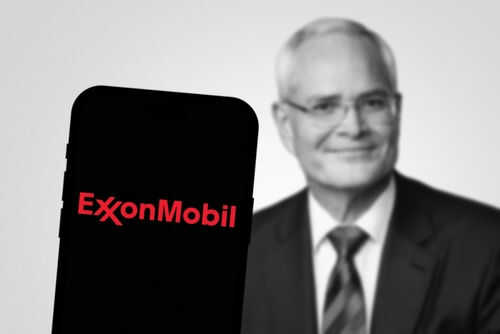
ExxonMobil’s CEO publicly rejected President Trump’s pitch to invest in Venezuela’s vast oil reserves, calling the socialist nation “uninvestable” despite White House promises of total protection—a stunning rebuke that exposes the lasting damage decades of leftist mismanagement inflicted on what should be one of the world’s richest energy producers.
Story Snapshot
- ExxonMobil CEO Darren Woods told Trump that Venezuela remains too risky for investment without major legal reforms, citing asset seizures under socialist regimes
- Trump promised oil executives “total safety” and US government protection to invest in Venezuela’s reserves after Maduro’s capture, but the industry remains skeptical
- Venezuela holds 20% of global oil reserves but produces only 1% of world crude due to decades of socialist policies and government mismanagement
- Trump signaled he may exclude ExxonMobil from future Venezuela opportunities, favoring companies willing to take the risk like Chevron
Trump’s Bold Pitch Meets Corporate Skepticism
President Trump convened top oil executives at the White House on January 9, 2026, presenting an unprecedented opportunity to access Venezuela’s massive oil reserves following the US military’s capture of socialist dictator Nicolás Maduro. Trump promised the assembled CEOs from ExxonMobil, Chevron, ConocoPhillips, and other major firms that they would deal directly with the US government, bypassing Venezuelan authorities entirely. The president framed the initiative as a way to boost American energy dominance while potentially lowering fuel prices for hardworking Americans. However, ExxonMobil CEO Darren Woods threw cold water on the proposal, stating bluntly that Venezuela remains “uninvestable” without fundamental legal protections and reforms to the country’s hydrocarbon laws.
Socialist Legacy Leaves Venezuela Crippled
Venezuela’s current predicament perfectly illustrates the catastrophic failure of socialist economic policies. Despite sitting atop approximately 20% of the world’s proven oil reserves, the country produced a mere 1% of global crude output in 2024. This collapse stems directly from Hugo Chávez’s 2007 nationalization campaign, which forced US companies to surrender majority control or exit entirely. ExxonMobil and ConocoPhillips both had assets seized twice by the Venezuelan government, losing billions in investments. The predictable result of government seizure and mismanagement devastated production capacity. Where free-market principles and property rights protections should have created prosperity, socialist policies delivered poverty and economic ruin—a cautionary tale that resonates deeply with conservatives who understand limited government preserves prosperity.
Executive Order and Energy Security Strategy
Trump signed an executive order on January 9 aimed at protecting Venezuelan oil revenues from asset seizures, demonstrating his administration’s commitment to stabilizing the situation. Energy Secretary Chris Wright announced the US would maintain indefinite oversight of Venezuela’s oil operations, with proceeds from 30-50 million barrels of seized crude held in US-controlled bank accounts. The administration frames this approach as necessary to prevent the country from falling back into the chaos that characterized Maduro’s regime. Trump claims American companies are prepared to invest up to $100 billion to restore Venezuela’s production capacity, potentially adding millions of barrels per day to global markets. This energy-first strategy aligns with conservative principles of American energy independence and reducing reliance on hostile foreign oil producers.
Corporate Risk Assessment Versus Political Promises
Woods’ rejection highlighted the fundamental disconnect between political assurances and corporate fiduciary responsibility. The ExxonMobil CEO emphasized that any investment must create a “win-win-win” scenario benefiting the company, the government, and the Venezuelan people—impossible without durable legal protections and property rights guarantees. This prudent stance reflects basic conservative economic principles: stable rule of law and protection from arbitrary government seizure are prerequisites for investment. Trump responded aboard Air Force One on January 11, stating he was “inclined” to exclude ExxonMobil from Venezuela opportunities due to what he perceived as a dismissive response. This exchange reveals the tension between Trump’s dealmaking approach and corporate governance requirements that demand shareholder protection over political favor-seeking.
The situation also prompted congressional scrutiny, with Representative Pramila Jayapal demanding transparency from ExxonMobil regarding alleged mercenary involvement and potential taxpayer burdens. While Trump’s vision aims to leverage America’s post-Maduro position for economic gain and lower domestic fuel costs, the oil industry’s wariness demonstrates how decades of socialist wealth confiscation created investment climates so toxic that even presidential guarantees cannot overcome them. Chevron, which maintained limited operations under previous sanctions relief, appears best positioned to capitalize if reforms materialize. Yet the broader lesson remains clear: leftist policies destroyed what could have been Venezuela’s prosperity, and rebuilding trust requires more than promises—it demands the restoration of free-market principles and constitutional protections that safeguard private investment.
Sources:
Trump promises oil executives ‘total safety, total security’ – Le Monde
Representative Jayapal Letter to ExxonMobil Regarding Venezuela
Our perspective regarding the situation in Venezuela – ExxonMobil Official Statement