A Homeland Security denial of Kansas worksite raids collided with livestock leaders’ warnings of supply-chain turmoil, sharpening the fight over how and where immigration laws get enforced.
Story Snapshot
- DHS said Immigration and Customs Enforcement is not doing Kansas worksite operations and is targeting serious criminals instead.
- Livestock and meatpacking groups reported worker absences and delayed shifts across southwest Kansas.
- A joint cattle-industry statement warned of a “massive chilling effect” and threats to the beef supply chain.
- Senator Jerry Moran said Secretary Markwayne Mullin told him warrants focused on people with criminal charges.
DHS Denies Worksite Raids, Cites Criminal Targets
The Department of Homeland Security said Immigration and Customs Enforcement is not conducting worksite operations in Kansas. The agency said officers are focused on “heinous criminals,” including murderers and drug traffickers, and on people with final removal orders. Reuters reported the same message, adding that the agency said operations in Kansas were not worksite raids. This framing places criminal threats first and aims to assure the public that agents are targeting dangerous offenders rather than broad employment sweeps.
Senator Jerry Moran said Secretary Markwayne Mullin assured him the warrants were for people charged with crimes, and that agents were working with local law enforcement to keep Kansans safe. That account lines up with the department’s stated focus. It also gives Kansas residents a named source on what federal officers are doing. Still, officials did not release detailed arrest logs for the week, leaving the public without a site-by-site count of who was detained and where.
Livestock Groups Warn of Disruption and Worker Absences
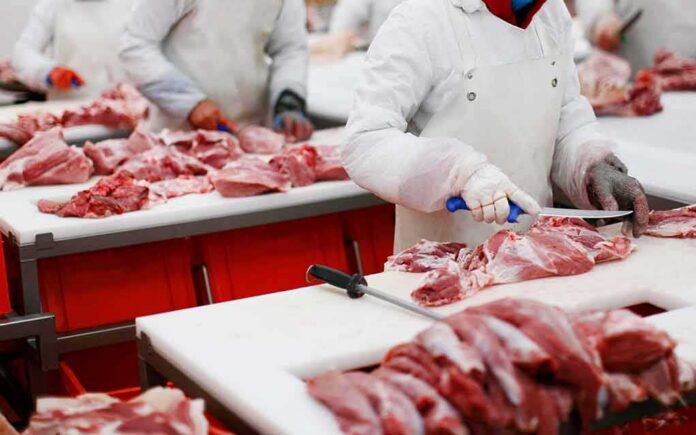
The Kansas Livestock Association, the Oklahoma Cattlemen’s Association, and the Texas Cattle Feeders Association issued a joint statement warning that federal activity is disrupting feedlots, processors, and related businesses. They said the operations created a “massive chilling effect” on the workforce and threatened the beef supply chain. Local coverage described delayed shifts and worker absences after federal officers appeared in southwest Kansas communities that depend on meatpacking and transport hubs.
Industry leaders said members reported more missed shifts once people saw immigration officers in the area. They tied the concern to feedlots, dairies, processing plants, and rural businesses that keep cattle moving from pasture to plate. Their message was not a legal argument but an economic one: even when agents target criminals, visible activity near plants can thin crews, slow lines, and raise costs that hit shoppers later. They pressed for clear communication and coordination with locals to avoid needless shock to the labor pool.
What Happened on the Ground in Southwest Kansas
Reuters reported that immigration agents fanned out across southwest Kansas, home to large slaughterhouses and feedlots. Community organizers and local officials said the operation had immediate effects on the beef industry, including delays and staffing gaps. Public radio in Kansas City said schools warned families and some plants delayed shifts as officers were spotted, even as the department denied conducting worksite raids. Those accounts paint a picture of visible federal presence, short-term worker flight, and ripple effects through small towns.
First it was “targeted enforcement.” That was de facto amnesty with better branding. Now it’s the lobbyist version. Industry complains, and suddenly ICE “isn’t doing worksite operations” in Kansas.
Voters asked for enforcement.
Mullin is serving the groups that need the labor… https://t.co/qTZbOmYh8R
— Gregory K Bovino (@GregoryKBovino) September 26, 2026
At the same time, industry sources said they had not received confirmed reports of arrests at specific worksites, which matches the department’s claim that officers were not running employment sweeps. The gap between what people saw—marked vehicles, officers near plants—and what the department says agents were doing created confusion. Without public arrest logs by site, it is hard for residents to separate rumor from fact. That vacuum fuels fear in communities and friction with employers who need steady crews to keep plants running.
Why This Matters to Law, Order, and Your Grocery Bill
Conservatives expect firm, even-handed enforcement of immigration law. Targeting criminals first is common sense. But mixed signals create chaos. When agencies say “no worksite raids,” while visible actions near plants trigger worker flight, the result is fewer hands on the line and higher costs down the road. Grocery prices do not care about press releases. Shoppers feel the hit when cattle back up at feedlots and plants cut shifts. That is why clear, transparent enforcement plans matter.
Here is the bottom line: the law must be enforced, and communities deserve straight answers. If agents are focused on criminals and people with final removal orders, publish arrest numbers by county and date. If operations will occur near plants, brief local sheriffs and civic leaders so schools and businesses can plan. That balance protects public safety, supports the rule of law, and keeps beef moving without handing leverage to those who exploit confusion to shield illegal hiring.
What To Watch Next
Watch for official arrest tallies and site-neutral data that confirm the department’s stated focus on criminals. Look for continued statements from the Kansas Livestock Association and local officials about absentee rates and shift delays. Note whether federal and local agencies improve coordination, which could reduce panic while keeping pressure on criminals. If transparency improves, communities can back serious enforcement without paying extra at the meat counter a month later.
Sources:
thegatewaypundit.com, kfor.com, usnews.com, audacy.com, wsau.com, dtnpf.com, ice.gov, msn.com