Major US airlines face potential bankruptcy as oil prices surge past $100 per barrel due to the Iran war—a conflict many Americans were promised we’d never enter—while unhedged fuel exposure leaves carriers hemorrhaging billions and passengers bracing for double-digit fare hikes that could ground summer travel dreams.
Story Snapshot
- Brent crude tops $100/barrel, up 60% year-to-date, driven by Iran war disrupting Middle East oil supplies
- US airlines face $24 billion fuel cost surge with no hedging protection, forcing 11% fare increases and mass cancellations
- United and American CEOs warn of survival threats as jet fuel hits $200/barrel on West Coast
- Summer 2026 travel at risk as experts urge booking now before prices skyrocket further
War-Driven Oil Shock Threatens Airline Industry Collapse
Brent crude oil prices exceeded $100 per barrel in early March 2026, marking a 60% increase year-to-date as the escalating Iran conflict chokes off Middle East oil supplies. Iranian attacks on the Strait of Hormuz, Saudi refineries, Qatari LNG facilities, and Kuwaiti refineries have halted critical oil shipments, creating a cascading crisis for fuel-dependent industries. This isn’t the abstract geopolitical maneuvering Americans were sold—this is the direct consequence of US involvement in yet another Middle East war, one that’s now hitting family budgets and threatening the viability of domestic air travel.
Unhedged US Airlines Face Catastrophic Cost Increases
Unlike their European and Asian counterparts who locked in fuel contracts years ago, US airlines abandoned widespread hedging after losses following the 2008 spike, leaving them fully exposed to spot market volatility. Skift Research projects a staggering $24 billion increase in fuel costs for American carriers, requiring fare hikes of at least 11% just to break even. American Airlines CEO Robert Isom warned investors of a $400 million hit in the first quarter alone, with impacts extending into the second quarter and beyond. United CEO Scott Kirby told a Harvard audience that fare increases would come quickly, describing the impact as “meaningful.” For Delta, every one-cent-per-gallon increase translates to $40 million annually—a brutal math problem with jet fuel now reaching $200 per barrel on the West Coast.
Capacity Cuts and Cancellations Spread Globally
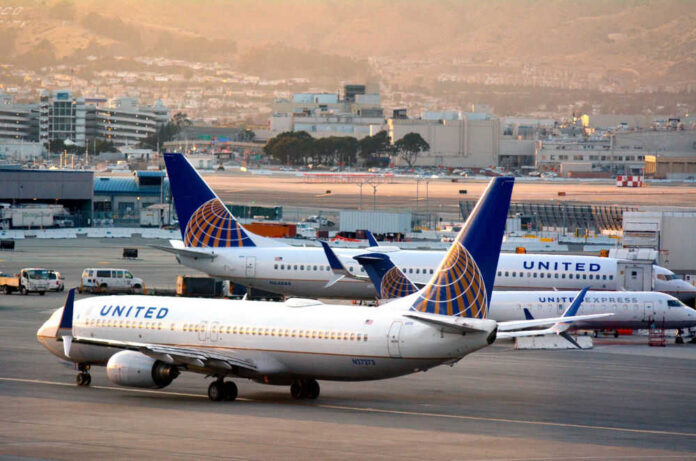
United Airlines became the first major US carrier to announce capacity cuts in response to the fuel crisis, a move that signals deeper industry-wide contractions ahead. Air New Zealand has already canceled 1,100 flights, stranding approximately 44,000 passengers. International carriers have moved faster to adjust pricing: Thai Airways implemented 10-15% fare increases, Cathay Pacific CEO Ronald Lam announced fuel surcharges after costs doubled since the conflict began, and Scandinavian Airlines joined Qantas in raising ticket prices. The summer 2026 peak travel season—typically the busiest months of June and July—now faces unprecedented disruption as airlines scramble to manage costs while gasoline prices nationwide approach $4 per gallon, squeezing consumers from multiple angles.
Promised Peace Delivers War’s Economic Fallout
The current crisis stems directly from what was called “Operation Epic Fury,” the late 2025 US-Israeli strike that ignited full-scale war with Iran. Many supporters backed President Trump’s second term on his pledge to keep America out of new conflicts, particularly costly regime-change wars that drain resources and drive up living costs. Instead, families now face an inflation spike driven by military engagement thousands of miles away, with no clear exit strategy and oil producers reaping $50-100 per barrel profit margins versus the typical $20. This isn’t theoretical policy debate—it’s real pain at the pump and the ticket counter, eroding purchasing power while undermining the non-interventionist promises that resonated with voters frustrated by decades of Middle East entanglements.
Experts including Gulf Oil analyst Tom Kloza describe jet fuel as “the real problem,” particularly on the West Coast where shortages have intensified. The contrast with hedged Asian carriers, who locked contracts through 2027 and can absorb shocks with minimal passenger impact, highlights the strategic failure of US airlines to protect against foreseeable geopolitical risks. Industry analysts warn that without a rapid decline in oil prices, some major carriers may not survive—a scenario that would devastate domestic connectivity, eliminate competition, and leave travelers with fewer options and higher costs for years. For Americans already squeezed by inflation and broken promises, the message is clear: book summer travel immediately or face prices that may double, assuming flights remain available at all.
Sources:
Oil price shock could mean 10 fare hike 24 billion in costs for U.S. airlines – Skift
American Airlines CEO gives stark warning about fuel and ticket prices – The Street